Managing the symptoms of cirrhosis effectively involves a combination of medical interventions, nutritional adjustments, and the strict avoidance of substances that cause further liver injury. Because the liver performs hundreds of essential functions, including filtering toxins and producing proteins for blood clotting, the scarring caused by cirrhosis can lead to a wide range of physical symptoms. In the United Kingdom, healthcare teams focus on keeping the liver in a compensated state, where it can still function sufficiently despite the presence of scar tissue. This requires a proactive approach to prevent complications such as fluid retention, infections, and reduced cognitive clarity. While the structural damage of cirrhosis is generally permanent, the symptoms can often be controlled, allowing many individuals to maintain a stable quality of life. Success in management relies on a close partnership between the patient and their multidisciplinary medical team to monitor the organ’s functional capacity and adjust treatments as the condition evolves.
What We’ll Discuss in This Article
- Medical strategies for managing fluid buildup in the legs and abdomen.
- Nutritional requirements for preventing muscle wasting and malnutrition.
- The role of total alcohol abstinence and smoking cessation in liver stability.
- Methods for reducing the risk of internal bleeding and infections.
- Managing cognitive changes and fatigue associated with liver dysfunction.
- The importance of regular NHS surveillance for early detection of complications.
Managing Fluid Retention and Swelling
Effective management of fluid retention, such as oedema in the legs and ascites in the abdomen, primarily involves a combination of low-sodium dietary habits and the use of diuretic medications. When the liver is heavily scarred, it struggles to produce enough albumin, a protein that keeps fluid inside the blood vessels, leading to leakage into surrounding tissues. The NHS states that a low-salt diet and diuretic tablets are often used to reduce the amount of fluid in your body if you have cirrhosis.
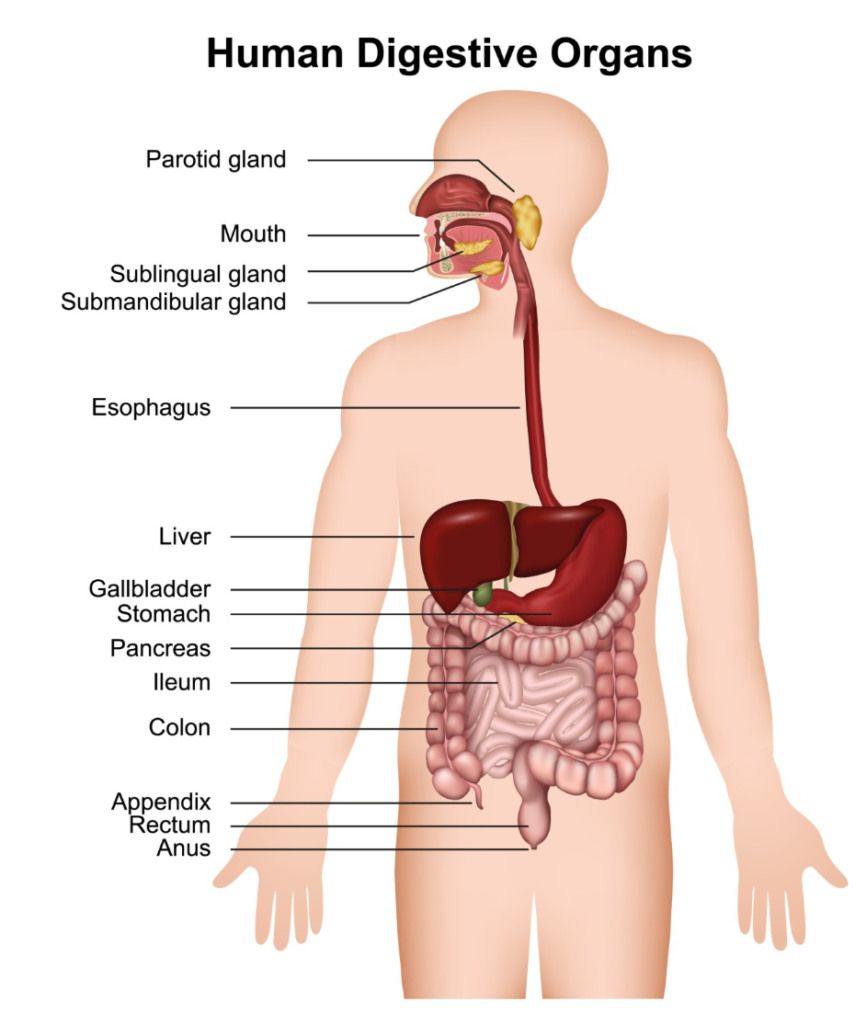
Patients are typically advised to limit their salt intake to less than five grams per day, as sodium encourages the body to hold onto water. Diuretics help the kidneys flush out this excess fluid through urine. If the fluid in the abdomen becomes very uncomfortable or interferes with breathing, a specialist may perform a procedure called paracentesis to drain the fluid physically using a thin needle. Monitoring your weight daily is an essential part of management, as a sudden increase can indicate that fluid is accumulating and your medication may need adjustment.
Nutritional Support to Prevent Malnutrition
Providing the body with adequate energy and protein is a vital part of managing cirrhosis symptoms because the liver’s reduced function often leads to severe muscle wasting and nutrient deficiencies. Patients with cirrhosis are in a state of high metabolic demand, meaning their bodies burn through energy stores much faster than usual. To prevent the body from breaking down its own muscle tissue for fuel, a high-protein and high-calorie diet is usually recommended.
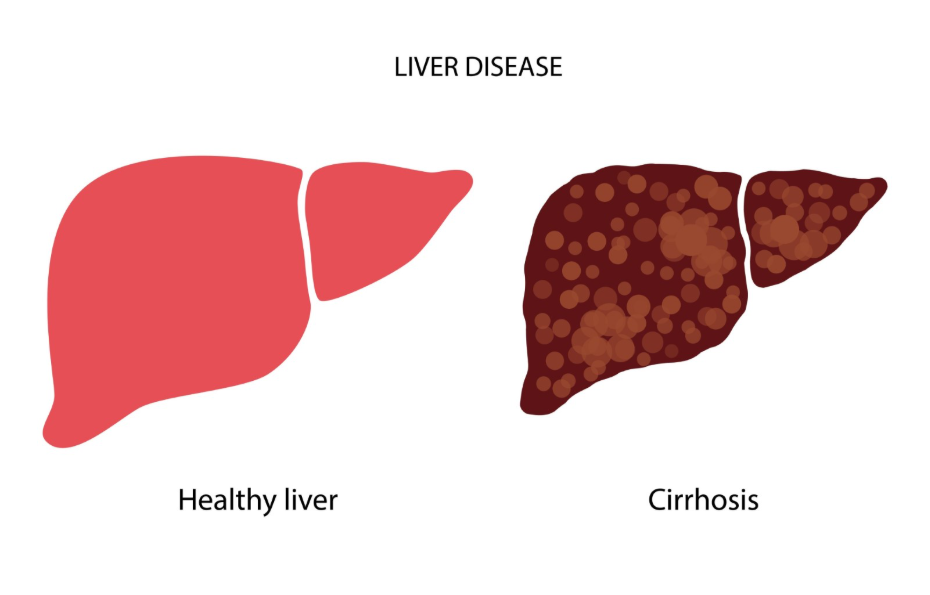
Healthcare professionals in the UK often suggest eating small, frequent meals throughout the day rather than three large ones. A particularly important strategy is consuming a complex carbohydrate and protein-rich snack before bed, which prevents the liver from entering a fasting state overnight that triggers muscle breakdown. Working with a registered dietitian ensures that nutritional needs are met while navigating restrictions like low salt intake. This support is essential for maintaining the strength needed to manage daily activities and support the immune system.
Total Abstinence from Alcohol and Toxins
The most critical lifestyle change for managing cirrhosis effectively is the total avoidance of alcohol and other toxins that place additional stress on the remaining healthy liver cells. Alcohol is a direct hepatotoxin that triggers inflammation and accelerates the formation of new scar tissue, regardless of the initial cause of the cirrhosis. NICE clinical guidelines highlight that complete abstinence from alcohol is the most effective way to prevent the progression of liver scarring and reduce the risk of liver failure.
Similarly, stopping smoking is highly beneficial, as tobacco use increases the risk of developing primary liver cancer and can worsen the blood flow through the liver’s circulatory system. Avoiding over-the-counter medications that can be harmful to the liver, such as certain non-steroidal anti-inflammatory drugs, is also necessary. Patients should always consult their GP or specialist before starting any new supplements or herbal remedies, as these are often processed by the liver and can cause unintended injury to an already fragile organ.
Reducing Risks of Internal Bleeding and Infection
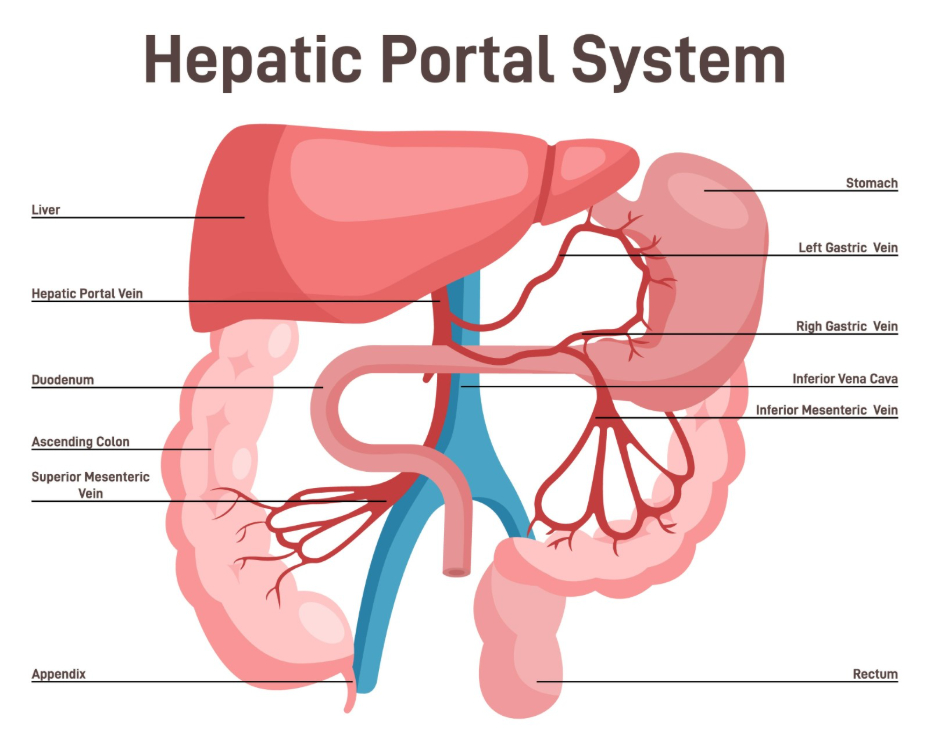
Managing the risk of internal bleeding involves regular medical monitoring of the veins in the food pipe, known as varices, which can become enlarged due to increased pressure in the liver. To manage this pressure, doctors may prescribe beta-blocker medications, which lower the blood pressure within the portal vein. Regular endoscopic examinations allow specialists to identify veins at high risk of rupture and treat them before bleeding occurs.
Patients with cirrhosis are also at a higher risk of infections because the liver’s role in the immune system is compromised. Maintaining up-to-date vaccinations for influenza, pneumonia, and hepatitis is a standard part of UK care. If a patient develops a fever or sudden abdominal pain, it requires prompt medical review to rule out spontaneous bacterial peritonitis, a serious infection of the fluid in the abdomen. Proactive hygiene and early treatment of minor infections help prevent the liver from becoming overwhelmed by systemic stress.
Managing Cognitive Changes and Fatigue
Managing the cognitive changes associated with cirrhosis, such as confusion or forgetfulness, involves reducing the buildup of toxins like ammonia in the bloodstream. When the liver cannot filter these substances effectively, they can reach the brain, causing a condition called hepatic encephalopathy. This is often managed with medications like lactulose, which helps the body excrete toxins through the bowels, and sometimes specific antibiotics to reduce toxin-producing bacteria in the gut.
| Symptom | Management Tool | Primary Goal |
| Confusion/Brain Fog | Lactulose or Rifaximin | Lower blood ammonia levels. |
| Persistent Fatigue | Nutritional support and gentle rest | Maintain energy reserves. |
| Itchy Skin (Pruritus) | Specific creams or medications | Reduce bile salt accumulation in the skin. |
| Muscle Cramps | Quinine or stretching | Relieve discomfort from electrolyte shifts. |
Fatigue is one of the most common and challenging symptoms to manage. While it cannot always be eliminated, ensuring optimal nutrition and managing sleep patterns can help. Pacing daily activities and allowing for rest periods ensures that the body’s limited energy is preserved for essential tasks. Consistent follow-up with the clinical team allows these symptoms to be tracked and managed before they become debilitating.
Conclusion
Managing cirrhosis symptoms effectively requires a multi-faceted approach involving low-sodium nutrition, high-protein intake, and total abstinence from alcohol. Medical treatments such as diuretics and beta-blockers play a vital role in preventing complications like fluid retention and internal bleeding. Regular NHS monitoring through blood tests and scans ensures that the liver’s function is tracked and that any new symptoms are addressed promptly. By following a structured management plan, individuals can stabilise their health and reduce the risk of the condition progressing to liver failure. If you experience severe, sudden, or worsening symptoms, call 999 immediately.
Why is salt so bad for someone with cirrhosis?
Excess salt causes your body to hold onto water, which leads to uncomfortable swelling in your legs and a buildup of fluid in your abdomen.
Is it ever okay to have just one drink?
In the UK, the clinical advice for anyone with cirrhosis is total abstinence from alcohol to prevent further liver damage and life-threatening complications.
Can I manage my fatigue with caffeine?
While moderate coffee may have liver benefits, using excessive caffeine to mask fatigue can disrupt sleep and is not a substitute for proper nutrition.
What should I do if my skin becomes very itchy?
Itching is a common symptom caused by bile buildup; your doctor can prescribe specific medications or creams to help relieve this.
How can I prevent muscle loss?
Eating a high-protein snack before bed and consuming frequent small meals helps stop your body from burning its own muscle for energy.
Do I need to see a specialist for my symptoms?
Yes, patients with cirrhosis are usually managed by a hepatologist or gastroenterologist who can provide the necessary specialist monitoring.
What are the signs that my medication needs adjusting?
If you notice a rapid increase in weight, new confusion, or worsening swelling, it often means your current management plan needs a review.
Authority Snapshot (E-E-A-T)
This article provides medically factual health education regarding the management of cirrhosis symptoms, strictly aligned with NHS and NICE clinical guidelines. The content is developed by a professional medical writing team and reviewed by Dr. Stefan Petrov, a UK-trained physician with experience in general medicine, surgery, and emergency care. All information follows current UK public health protocols to ensure clinical accuracy and patient safety.