Obesity is a significant contributing factor to the formation of both colon polyps and diverticulitis because it promotes systemic inflammation and metabolic changes that disrupt the healthy function of the large intestine. While colon polyps are abnormal tissue growths on the inner lining of the bowel, diverticulitis involves the infection or inflammation of small pouches that bulge outward from the colon wall. Although these conditions arise from different biological mechanisms, they are both negatively impacted by the presence of excess body fat, particularly adipose tissue stored around the abdomen. In the United Kingdom, healthcare professionals identify a high Body Mass Index as a modifiable risk factor that can accelerate cellular mutations and weaken the structural integrity of the bowel. Understanding the link between weight and gastrointestinal health is a vital component of preventative medicine, as managing body weight can help reduce the incidence of these common bowel conditions. By addressing the metabolic stress caused by obesity, the UK healthcare system aims to lower the burden of bowel-related illnesses and support the long-term stability of the digestive tract.
What We’ll Discuss in This Article
- The metabolic relationship between excess body fat and colon polyp growth.
- How abdominal obesity increases internal pressure and diverticulitis risk.
- The role of chronic low-grade inflammation in bowel tissue damage.
- Impact of insulin resistance on regulated cell division in the colon.
- Comparing the risks of structural pouches versus cellular overgrowths.
- UK clinical guidance for weight management to support bowel health.
Obesity and the Development of Colon Polyps
Obesity contributes to the development of colon polyps by creating a metabolic environment that encourages abnormal cell proliferation and interferes with natural cell renewal cycles in the bowel lining. The cells lining the colon are constantly replaced; however, excess body fat can lead to higher levels of circulating growth factors and hormones that may trigger these cells to divide too rapidly. The NHS states that bowel polyps are caused by an overgrowth of cells in the lining of the large intestine and that being overweight or obese can increase your risk.
Research in the United Kingdom suggests that individuals with a higher waist circumference have a greater likelihood of developing adenomatous polyps, which are the type most likely to undergo further cellular changes. Adipose tissue is not merely for energy storage; it is an active metabolic organ that releases chemical signals that can irritate the mucosal lining of the colon. This persistent chemical stress makes it easier for genetic mutations to occur during cell division, resulting in the protrusions known as polyps. Finding and removing these growths during a colonoscopy is a primary preventative measure in the UK, especially for patients with other metabolic risk factors.
How Excess Weight Influences Diverticulitis Risk
Obesity increases the risk of diverticulitis by raising the internal pressure within the abdomen and promoting a state of chronic inflammation that makes the colon wall more susceptible to infection. Diverticulitis occurs when small pouches in the colon wall, known as diverticula, become inflamed or infected. NICE clinical guidelines for diverticular disease management identify obesity as a significant modifiable factor that increases the risk of symptomatic diverticulosis and acute diverticulitis flare-ups.
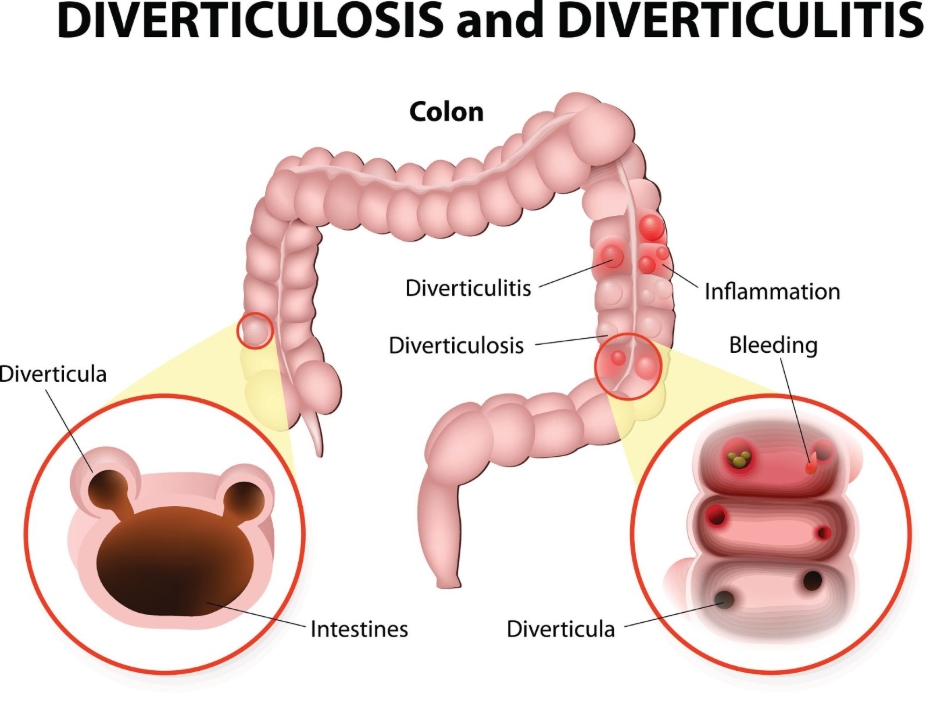
Excess weight can lead to changes in bowel motility and increased pressure during waste passage, which can push the inner lining through weakened spots in the muscular layer of the colon. Furthermore, the low-grade systemic inflammation associated with a high Body Mass Index means that the immune response in the bowel may be less effective at managing minor bacterial overgrowths within the pouches. This makes it more likely that simple diverticulosis will transition into a painful and potentially serious episode of diverticulitis. UK healthcare providers emphasise that maintaining a healthy weight is essential for reducing the mechanical and inflammatory stress on the large intestine.
The Role of Chronic Low-Grade Inflammation
The primary biological link between obesity and both polyps and diverticulitis is the state of chronic, low-grade inflammation caused by excess adipose tissue. Fat cells release pro-inflammatory cytokines, which are chemical messengers that circulate through the blood and can affect distant organs, including the colon.
In the context of polyps, this inflammatory environment can damage the DNA of the cells lining the bowel, providing a fertile ground for the growth of abnormal tissue. For diverticulitis, inflammation can weaken the connective tissues of the colon wall and increase the sensitivity of the gut. This makes the pouches more prone to micro-perforations or tears, which are the starting point for an acute flare-up. In the UK, clinicians view obesity as a systemic condition that impacts the microscopic environment of the digestive tract, necessitating a holistic approach to patient care that includes both weight management and gastrointestinal monitoring.
Comparison of Risks Related to Body Weight
While obesity impacts both conditions, the way it contributes to their formation differs between cellular overgrowth and structural weakening of the bowel.
| Feature | Colon Polyps | Diverticulitis |
| Primary Mechanism | Hormonal and metabolic cell growth. | Mechanical pressure and tissue inflammation. |
| Structural Change | Inward growth (protrusion into bowel). | Outward bulge (pocket in bowel wall). |
| Complication Risk | Progression to more serious growths. | Abscess, perforation, or infection. |
| UK Management | Removal during a colonoscopy. | Antibiotics or dietary management. |
This comparison highlights that obesity attacks bowel health on two fronts: by encouraging the growth of excess tissue (polyps) and by compromising the strength of the muscular wall (diverticulitis). Both pathways lead to a higher incidence of gastrointestinal disease, which is why UK medical guidelines prioritise lifestyle modifications as a cornerstone of long-term health.
Insulin Resistance and Cell Proliferation
Obesity is frequently associated with insulin resistance, a metabolic state that can directly contribute to the formation of colon polyps by promoting the survival of abnormal cells. When the body becomes less responsive to insulin, it produces higher levels of insulin and insulin-like growth factors to compensate. These substances act as potent signals for cells to grow and resist natural programmed cell death.
In the colon, this can mean that cells which have sustained minor DNA damage continue to live and divide instead of being cleared away. Over time, these surviving cells can accumulate into a visible polyp. This metabolic pathway explains why individuals with type 2 diabetes and obesity have a statistically higher risk of developing bowel growths. The GOV.UK health pages indicate that managing metabolic health through diet and exercise is a critical part of reducing the risk of chronic conditions, including bowel cancer precursors. By improving insulin sensitivity through weight loss, individuals can help regulate the growth cycles of their intestinal lining.
UK Clinical Guidelines and Weight Management
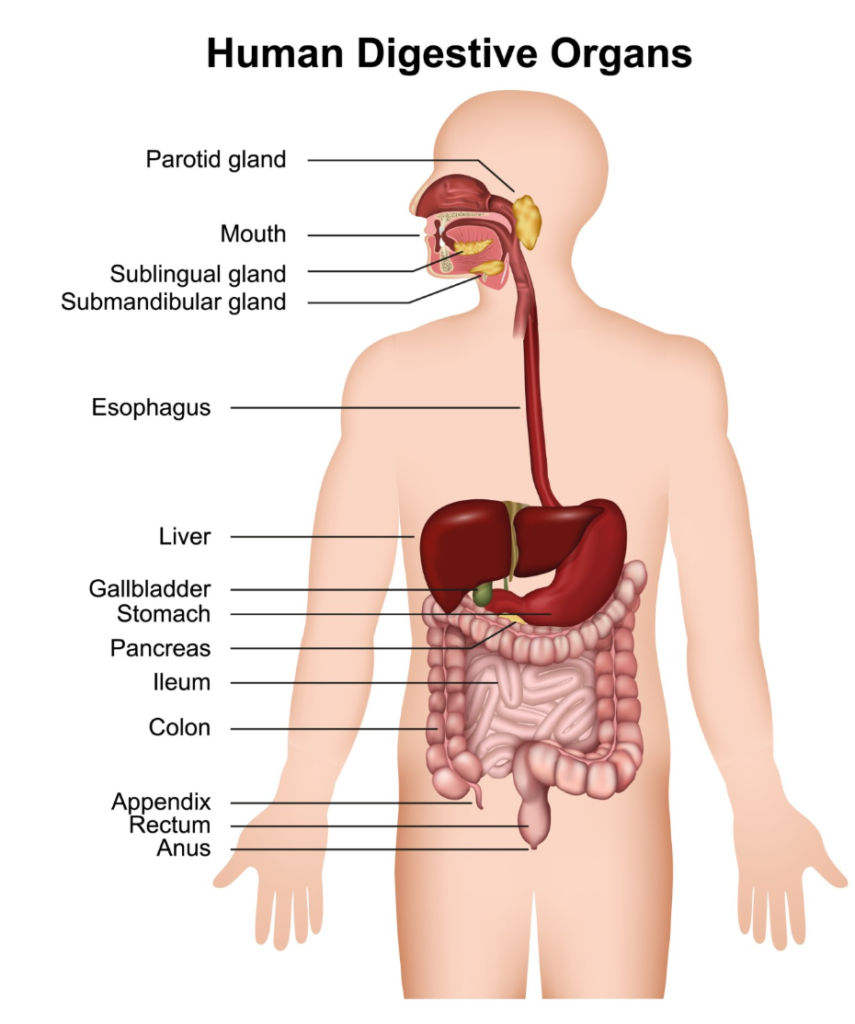
The UK healthcare system integrates weight assessment into the management of bowel health, using Body Mass Index and waist-to-hip ratios to help identify patients at higher risk of diverticular and polyp complications. During a review for bowel symptoms, a clinician will often discuss weight management as a preventative strategy to lower the pressure on the colon and reduce systemic inflammation.
Patients are supported through a multi-faceted approach that includes dietary advice to increase fibre intake alongside physical activity. This dual strategy addresses the mechanical risk of diverticula (by keeping stools soft and easy to pass) and the metabolic risk of polyps (by improving hormone levels). Consistent participation in the national bowel screening programme is especially vital for those with obesity, as they may have a higher rate of polyp recurrence. By managing modifiable risks like weight, individuals can work with their healthcare teams to ensure their colon remains healthy and stable as they age.
Conclusion
Obesity contributes to the formation of colon polyps and diverticulitis by promoting chronic inflammation, increasing internal bowel pressure, and disrupting healthy cell growth through insulin resistance. These factors weaken the structural integrity of the colon wall and encourage the overgrowth of tissue in the bowel lining. In the UK, weight management is a primary clinical recommendation for reducing the risk of these gastrointestinal conditions. Adopting a healthy lifestyle is the most effective way to protect the colon from the metabolic and physical stresses associated with excess weight. If you experience severe, sudden, or worsening symptoms, call 999 immediately.
If I lose weight, will my polyps disappear?
No, existing polyps must be physically removed by a doctor, but losing weight can help prevent new polyps from forming in the future.
Does obesity make diverticulitis surgery more difficult?
Excess abdominal fat can sometimes make surgical procedures more complex, which is why clinicians prefer to manage diverticulitis conservatively whenever possible.
Is “belly fat” more dangerous for the colon than fat elsewhere?
Yes, visceral fat stored around the organs is more metabolically active and releases more inflammatory signals than fat stored just under the skin.
Can a healthy diet help even if I don’t lose much weight?
Yes, eating more fibre and fewer processed meats improves the environment of your colon regardless of the number on the scale.
Does obesity cause blood in the stool?
Obesity itself does not cause bleeding, but it increases the risk of polyps and diverticular issues that may lead to visible or microscopic blood.
Is the risk of diverticulitis higher for everyone with a high BMI?
While the risk is generally higher, other factors like age and your specific intake of dietary fibre also play a major role.
Should I have screening more often if I am overweight?
In the UK, you should follow the standard national screening intervals unless your doctor advises otherwise based on your specific health history or symptoms.
Authority Snapshot (E-E-A-T)
This article provides medically factual health education regarding the role of obesity in colon polyps and diverticulitis, strictly aligned with NHS and NICE clinical guidelines. The content is developed by a professional medical writing team and reviewed by Dr. Rebecca Fernandez, a UK-trained physician with extensive experience in internal medicine, emergency care, and general surgery. All information follows current UK public health protocols to ensure clinical accuracy and patient safety.