




There is currently no robust clinical evidence to suggest that taking dietary supplements can reduce the risk of developing a brain tumour. In the United Kingdom, medical guidance emphasises that most brain tumours occur due to spontaneous genetic mutations rather than nutritional deficiencies. While a balanced diet is essential for general health, the NHS and NICE do not recommend specific vitamins or minerals for the prevention of intracranial growths. The UK healthcare system prioritises evidence-led research and focuses on recognised risk factors such as age and exposure to high-dose radiation. Understanding the limitations of supplements helps the public focus on medically proven health strategies rather than unverified claims. This article examines the current scientific standing on various vitamins, the importance of a balanced diet over supplementation, and the integrated support framework provided within the UK to manage neurological health effectively. By sticking to established medical facts, individuals can make informed choices about their nutritional intake and overall wellbeing.
What We’ll Discuss in This Article
- Current UK clinical standing on supplements and tumour prevention.
- The role of antioxidants and vitamins in neurological health.
- Why a balanced diet is preferred over high-dose supplementation.
- Potential risks and interactions of unnecessary supplement use.
- How the NHS manages nutritional guidance for neurological patients.
- Recognised risk factors and the importance of symptom awareness.
Clinical Evidence on Supplements and Prevention
Extensive medical research in the United Kingdom has failed to find a causal link between the use of dietary supplements and a reduced risk of primary brain tumours. Scientific studies have investigated numerous substances, including vitamins A, C, E, and various herbal extracts, yet none have demonstrated a preventative effect against the development of abnormal cell growth in the brain. The NHS states that the exact cause of most brain tumours is unknown, but they are not thought to be caused by things you do or your lifestyle.
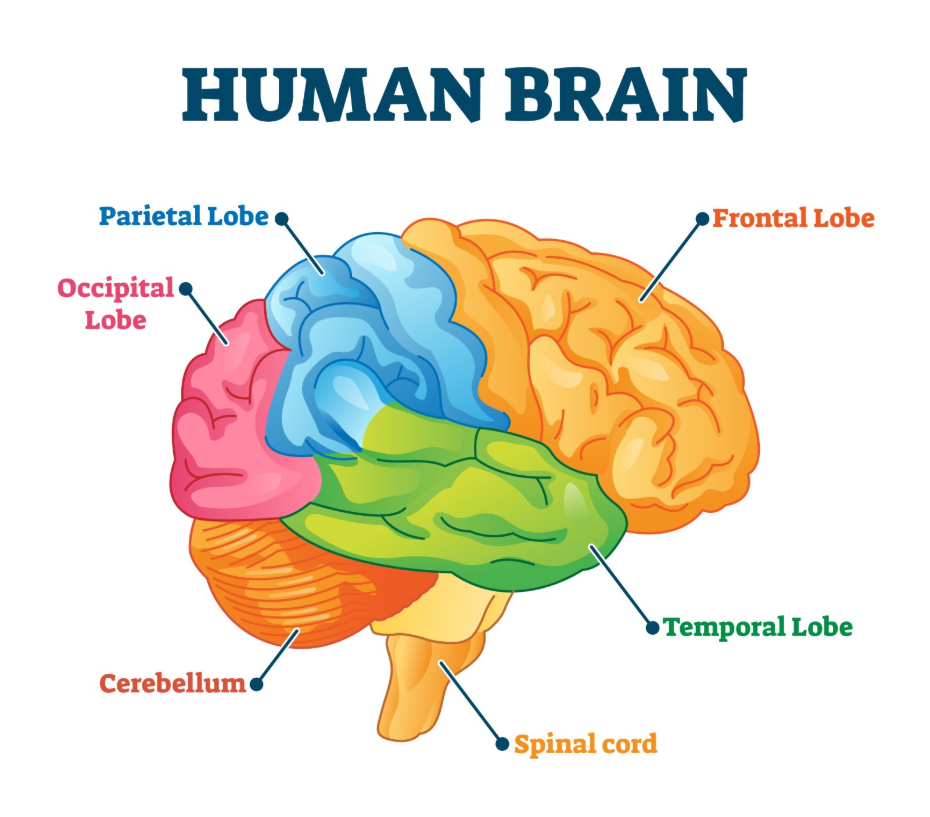
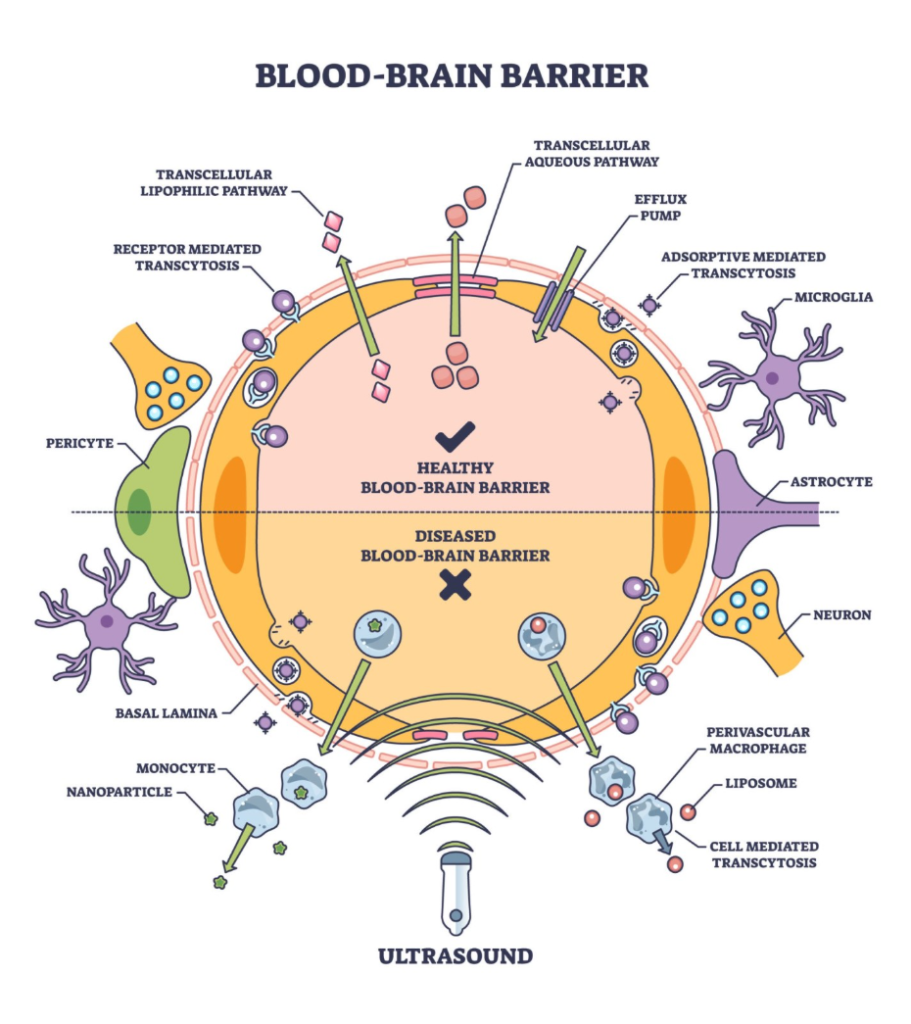
The blood-brain barrier is a highly selective semi-permeable border that protects the brain from many substances circulating in the blood. This means that even if a supplement is taken in high doses, it may not reach the brain tissue in a way that influences cell biology or prevents mutations. In the UK, health authorities advise that the best way to support the body is through a varied diet rather than relying on isolated nutrients in pill form. Factual clarity on this subject is important to ensure that individuals do not delay seeking medical advice for neurological symptoms in favour of trying unproven nutritional interventions. The UK healthcare framework remains focused on early detection and specialist treatment as the most effective ways to manage brain tumours.
The Role of Antioxidants and Vitamins
Antioxidants and vitamins are frequently discussed in the context of cancer prevention, but their role in reducing the risk of brain tumours remains unproven and scientifically complex. While antioxidants help protect cells from oxidative stress in laboratory settings, clinical trials have not shown that they prevent the specific genetic mutations that lead to intracranial masses. NICE clinical guidelines for brain tumours indicate that management should be based on biological markers and clinical staging rather than dietary supplementation.
| Nutrient Type | Common Claims | UK Clinical Standing |
| Vitamin D | Immune support and cell regulation. | No proven link to reduced tumour risk. |
| Antioxidants | Protection against DNA damage. | Inconsistent evidence in clinical trials. |
| Omega-3 | Brain health and anti-inflammation. | General health benefits only; no preventative effect. |
| Folic Acid | DNA synthesis and repair. | Essential for pregnancy; no link to brain tumours. |
In the United Kingdom, certain vitamins are recommended for specific groups, such as vitamin D during winter months for general health, but these are not intended as tumour prevention measures. High-dose supplementation can sometimes be counterproductive, as the body is designed to process nutrients in the complex combinations found naturally in food. The UK medical community emphasises that maintaining a standard level of these nutrients is sufficient for most people. By following a balanced lifestyle, individuals support their overall resilience without the need for specialised “brain-boosting” supplements that lack a proven medical basis for tumour prevention.
Risks and Interactions of Unnecessary Supplementation
Taking high-dose supplements without a medical requirement can pose risks to health and may interfere with other medications or future treatments. In the United Kingdom, doctors warn that some supplements can have side effects or interact poorly with anti-epileptic drugs and chemotherapy used in neuro-oncology. The GOV.UK health pages provide clinical profiles indicating that any use of complementary or alternative medicines should be discussed with a medical professional to avoid adverse interactions.
Potential risks of unnecessary supplementation include:
- Toxicity: Excess levels of fat-soluble vitamins (A, D, E, K) can build up in the body.
- Treatment Interference: Some antioxidants may reduce the effectiveness of radiotherapy.
- Drug Interactions: Herbal supplements like St John’s Wort can affect how the liver processes medications.
- Masking Symptoms: Relying on supplements might lead to a delay in reporting new neurological symptoms to a GP.
For patients already diagnosed with a brain tumour, the multidisciplinary team in the NHS provides specific nutritional guidance. It is essential to prioritise safety and clinical efficacy over unverified health trends. In the UK, if a nutritional deficiency is identified through blood tests, a doctor will prescribe a regulated supplement at the correct dose. This medical oversight ensures that any supplementation is necessary, safe, and integrated with the patient’s broader care plan.
Nutrition and Neurological Health in the NHS
The United Kingdom prioritises a holistic approach to neurological health, where nutrition is viewed as a supportive tool for general wellbeing rather than a preventative measure for tumours. NHS dietitians work with patients to ensure they maintain their strength and manage treatment side effects through a balanced intake of whole foods.
Key aspects of nutritional support in the UK include:
- The Eatwell Guide: Encouraging a diet rich in fruits, vegetables, whole grains, and lean proteins.
- Hydration: Maintaining adequate fluid intake to support cognitive function and energy.
- Managing Side Effects: Tailoring diets to help with nausea or appetite changes during treatment.
- Specialist Advice: Providing expert guidance for patients on steroids or with specific swallowing needs.
This integrated support ensures that patients receive the best possible care for their overall health. While a healthy diet supports the immune system and assists in recovery from surgery, the UK medical consensus remains that it cannot “block” the development of a brain tumour. By focusing on sustainable, healthy habits, the NHS helps patients maintain their functional independence. This evidence-based approach protects patients from the financial and health risks associated with pursuing unproven “cures” or preventative supplements.
Recognised Risk Factors and Symptom Awareness
Since supplements do not reduce risk, the most effective way to manage brain tumour concerns in the United Kingdom is to understand recognised risk factors and maintain a high level of symptom awareness. Most brain tumours have no identifiable cause, making early clinical assessment the priority for the NHS.
Recognised risk factors in the UK:
- Age: The risk increases for most types as a person gets older.
- Radiation: Previous exposure to high-dose ionising radiation (e.g., radiotherapy).
- Genetics: Rare inherited syndromes such as Neurofibromatosis.
The UK healthcare system uses the 28-day faster diagnosis standard to ensure that anyone with suspicious symptoms, such as new seizures or progressive weakness, is seen quickly by a specialist. This focus on rapid diagnostic imaging and multidisciplinary review is the cornerstone of UK neuro-oncology. Instead of focusing on supplementation, individuals are encouraged to stay alert to persistent changes in their neurological health. This proactive approach ensures that if a tumour does develop, it is identified and managed at the earliest possible stage, providing the best opportunity for a successful outcome.
Conclusion
There is no scientific evidence that dietary supplements help reduce the risk of a brain tumour, and they are not recommended for prevention in the United Kingdom. The NHS and NICE focus on a balanced diet and general health maintenance, noting that most tumours result from spontaneous genetic changes. High-dose supplementation can carry risks of toxicity and may interfere with medical treatments. Recognised risk factors such as age and radiation exposure remain the primary focus of clinical investigation. Maintaining awareness of neurological symptoms and seeking prompt medical advice is the most effective strategy for managing your health. Multidisciplinary teams within the UK healthcare system provide a continuous safety net for all patients. If you experience severe, sudden, or worsening symptoms, call 999 immediately.
Does vitamin C prevent brain tumours?
No; there is no clinical evidence that vitamin C, even in high doses, can prevent the development of a brain tumour.
Should I take fish oil for my brain health?
Omega-3 is good for general heart and brain function, but it does not reduce the risk of developing a brain tumour.
Can a ketogenic diet prevent a tumour?
While studied in specific treatment settings, there is no evidence that a ketogenic diet prevents brain tumours in the general population.
Are herbal supplements safe to take with my medication?
Many herbal products interact with anti-epilepsy or chemotherapy drugs; you must check with your UK consultant before taking them.
Will a multivitamin help if I have a family history of tumours?
Multivitamins support general health but do not alter the genetic risks associated with rare inherited syndromes.
Does green tea reduce the risk of brain cancer?
Although green tea contains antioxidants, large-scale UK studies have not found a preventative effect against brain tumours.
Why do some websites claim supplements work?
Many sites promote unverified theories for commercial reasons; the NHS only recommends treatments and habits supported by robust clinical data.
Authority Snapshot (E-E-A-T)
This article provides medically factual health education regarding supplements and brain tumour risk, strictly aligned with NHS and NICE clinical guidelines. The content is developed by a professional medical writing team and reviewed by Dr. Rebecca Fernandez, a UK-trained physician with experience in general surgery, cardiology, emergency medicine, and psychiatry. All information follows current UK public health protocols to ensure clinical accuracy and patient safety.



