




Older adults are generally at a higher risk of developing jaundice from more complex or severe causes due to age-related changes in the biliary system and a higher prevalence of gallbladder diseases or structural obstructions. Jaundice is a visible medical sign characterised by the yellowing of the skin and the whites of the eyes, occurring when bilirubin levels in the blood rise significantly. In the United Kingdom, healthcare professionals frequently observe that while jaundice in younger populations may be linked to viral infections, in older populations it is more commonly associated with physical blockages in the bile ducts or the long-term effects of chronic conditions. As the body ages, the liver and gallbladder may experience a decline in functional reserve, making the biliary system more susceptible to stones or tissue changes. Identifying the cause of jaundice in an older person is a clinical priority because the symptoms can sometimes be more subtle or masked by other age-related health issues. Ensuring a prompt and accurate diagnostic review is essential for managing the underlying condition and supporting the overall health and wellbeing of the individual.
What We’ll Discuss in This Article
- The increased prevalence of gallstones and biliary obstructions in older age.
- How age-related changes in liver function impact bilirubin processing.
- The clinical significance of “painless” jaundice in the older population.
- Distinguishing between infectious causes and structural abnormalities.
- The role of diagnostic imaging and blood tests in assessing older adults.
- Standard UK healthcare protocols for managing jaundice in later life.
Increased Risk of Biliary Obstruction and Gallstones
Older adults are significantly more likely to develop jaundice due to physical obstructions in the bile ducts, such as gallstones, which become more common as the body’s metabolic processes change over time. Gallstones are hardened deposits of digestive fluid that can form in the gallbladder and eventually migrate into the common bile duct, blocking the flow of bile and causing bilirubin to back up into the bloodstream. The NHS states that jaundice is often a sign of a problem with the liver or bile ducts, and gallstones are a very common cause of these blockages in adults.
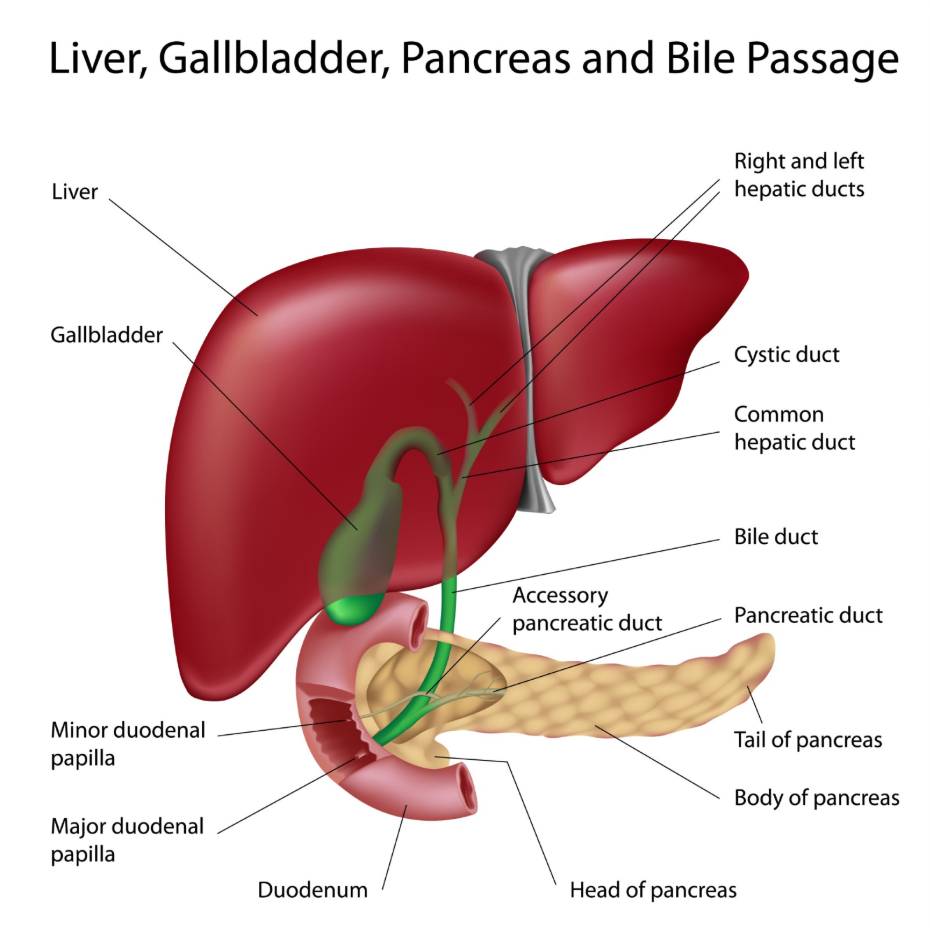
In older individuals, the gallbladder may not empty as effectively as it once did, leading to the concentration of bile and the formation of stones. When a stone blocks the duct, it causes “post-hepatic” or obstructive jaundice. This type of jaundice is a serious concern in the older population because it can lead to acute infections of the biliary tree (cholangitis) or inflammation of the pancreas if not addressed promptly. In the UK, clinicians maintain a high index of suspicion for biliary obstructions when an older adult presents with new yellowing of the skin or eyes, especially if accompanied by dark urine or pale stools.
The Significance of Painless Jaundice
A critical diagnostic consideration in older adults is the presentation of “painless” jaundice, which can indicate more serious structural issues such as tumours in the pancreas or bile ducts. Unlike jaundice caused by gallstones, which is often accompanied by sharp abdominal pain, jaundice that develops without discomfort can sometimes be overlooked by the patient in its early stages.
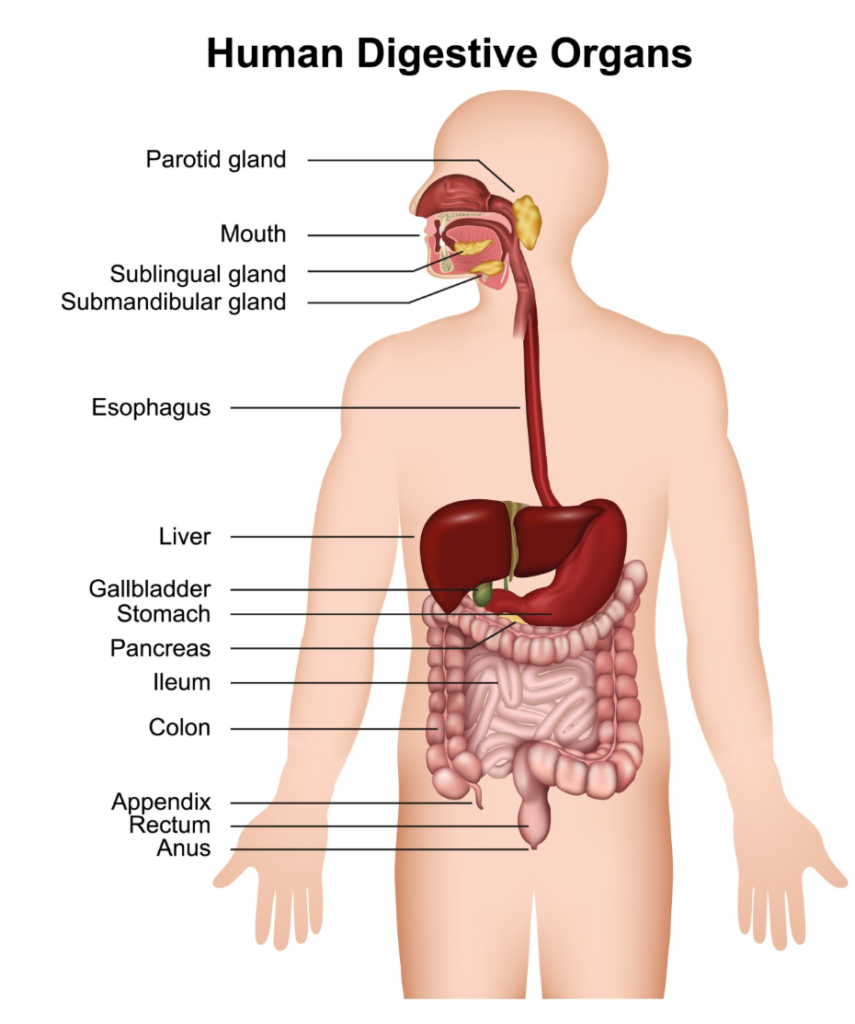
In the United Kingdom, healthcare protocols identify painless jaundice in an older adult as a “red flag” symptom that requires urgent investigation. This is because a mass at the head of the pancreas can compress the bile duct gradually, leading to a steady rise in bilirubin levels. NICE clinical guidelines for the management of suspected cancer in adults highlight that new-onset jaundice in individuals over a certain age must be investigated with diagnostic imaging to rule out malignancy. Early detection through this structured clinical pathway is vital for ensuring that the individual receives appropriate specialist care as quickly as possible.
Age-Related Changes in Liver Function
The natural ageing process can lead to subtle changes in the liver’s architecture and its ability to process waste products, which may influence how jaundice develops or presents. While a healthy liver can function well into old age, there is often a decrease in liver mass and blood flow as people get older. This can lead to a slight reduction in the organ’s functional reserve, meaning it may take longer for the liver to recover from a minor insult, such as an infection or a reaction to a new medication.
Furthermore, older adults are often prescribed multiple medications for various chronic conditions, increasing the risk of drug-induced liver injury. The liver is responsible for metabolising these substances, and an age-related decline in enzyme activity can sometimes lead to the accumulation of toxic metabolites that stress the liver cells. When the liver’s capacity to conjugate and excrete bilirubin is slightly impaired, jaundice can manifest more easily during periods of physical illness or dehydration. This makes the interpretation of liver function tests in older adults a nuanced task for UK clinicians.
Comparison of Jaundice Causes by Age Group
The underlying triggers for jaundice often shift as individuals move from younger adulthood into their later years. Understanding these patterns helps healthcare providers prioritise the most likely diagnostic tests.
| Feature | Younger Adults | Older Adults |
| Most Common Cause | Viral Hepatitis / Alcohol | Gallstones / Structural Obstruction |
| Presentation | Often acute with fever | Can be gradual or “painless” |
| Bilirubin Type | Often Unconjugated or Mixed | Primarily Conjugated (Obstructive) |
| Diagnostic Focus | Blood tests for infection | Imaging (Ultrasound/CT) for blockages |
This table illustrates that while viral infections like Hepatitis A or B are frequent causes in younger populations, the focus in older populations pivots toward identifying mechanical blockages in the biliary system. This shift in prevalence is why UK medical practice emphasises imaging, such as ultrasound or CT scans, as a primary investigative tool for older patients presenting with yellowing.
Clinical Investigation and Diagnostic Pathways
In the United Kingdom, the investigation of jaundice in older adults follows a rigorous pathway involving biochemical markers and diagnostic imaging to ensure no serious underlying cause is missed. The first step typically involves Liver Function Tests to measure bilirubin levels and liver enzymes. High levels of Alkaline Phosphatase and Gamma-glutamyl Transferase often point toward a problem with the bile ducts rather than the liver cells themselves.
Following blood work, an ultrasound scan is usually the first-line imaging choice because it is non-invasive and highly effective at detecting gallstones and dilated bile ducts. If more detail is required, a CT scan or an MRI may be performed to provide a comprehensive view of the liver, pancreas, and surrounding tissues. The GOV.UK health profiles indicate that timely access to diagnostic imaging is a critical factor in managing the health of the ageing population and identifying biliary malignancies early. This systematic approach ensures that the multidisciplinary healthcare team can differentiate between benign issues and those requiring urgent intervention.
Management and Considerations for Recovery
The management of jaundice in older adults requires a careful balance between addressing the underlying cause and supporting the individual’s overall physiological stability. If a physical obstruction like a gallstone is found, a procedure such as an ERCP may be used to clear the duct. If the cause is related to medication, the offending drug must be safely identified and substituted.
Recovery in older adults can sometimes be slower due to the presence of other health conditions, such as heart disease or diabetes, which may affect the body’s ability to clear the bilirubin pigment from the tissues. Supportive care, including maintaining hydration and ensuring adequate nutrition, is essential during the recovery phase. UK clinical teams also focus on monitoring for secondary complications, such as infections or changes in waste products, to ensure that the biliary system is returning to its normal functional state. Consistent follow-up care is necessary to confirm that the bilirubin levels have returned to their normal reference range and that the liver’s filtration capacity is maintained.
Conclusion
Older adults are at an increased risk of severe causes of jaundice, particularly those involving physical obstructions like gallstones or structural changes in the biliary system. While the liver remains a resilient organ throughout life, age-related factors and the prevalence of multiple chronic conditions make the appearance of jaundice a clinical priority. In the UK, structured diagnostic pathways involving blood tests and imaging are used to ensure that the cause is identified quickly and managed appropriately. Recognising symptoms early, including the presence of “painless” jaundice, is vital for protecting long-term organ health. If you experience severe, sudden, or worsening symptoms, call 999 immediately.
Is jaundice in an older person always an emergency?
It is always an urgent clinical sign that needs a doctor’s assessment within 24 hours to rule out serious blockages or infections.
Can a new medicine cause an older person to turn yellow?
Yes, drug-induced liver injury is a known cause of jaundice, especially in older adults who may be taking several different medications.
Why do doctors worry more about “painless” jaundice?
Pain often suggests a gallstone, while a lack of pain can sometimes indicate a gradual blockage from a mass or tumour, requiring more detailed investigation.
Will an ultrasound show why my eyes are yellow?
An ultrasound is very effective at showing if there are stones in your gallbladder or if your bile ducts are widened by a blockage.
Can older adults recover fully from jaundice?
Yes, if the underlying cause is identified and treated, the liver can usually recover its function and the yellowing will gradually fade.
Does a history of gallstones increase the risk of jaundice in later life?
Yes, if the gallbladder has not been removed, stones can migrate into the bile ducts at any time, causing sudden obstructive jaundice.
What should I do if my urine turns very dark but I feel fine?
Dark urine is often one of the first signs of jaundice and should be reported to a GP or healthcare professional immediately.
Authority Snapshot (E-E-A-T)
This article provides medically factual health education regarding the risks of jaundice in older adults, strictly aligned with NHS and NICE clinical guidelines. The content is developed by a professional medical writing team and reviewed by Dr. Stefan Petrov, a UK-trained physician with experience in general medicine, surgery, and emergency care. All information follows current UK public health protocols to ensure clinical accuracy and patient safety.



