




Blood tests confirm jaundice by measuring the concentration of bilirubin in the bloodstream and assessing the levels of specific enzymes that indicate liver or biliary system stress. In the United Kingdom, healthcare professionals use a group of tests collectively known as Liver Function Tests (LFTs) to determine whether the yellowing of the skin and eyes is caused by a problem within the liver, a blockage in the bile ducts, or a haematological issue. These tests act as a biochemical profile, providing essential information about the liver’s ability to process waste, produce proteins, and maintain metabolic balance. When a patient presents with jaundice, the primary clinical objective is to identify the underlying source of the elevated bilirubin levels to guide further investigation and management. UK clinical standards ensure that these tests are interpreted alongside a physical examination and medical history to provide a comprehensive view of a patient’s health. Because the liver performs hundreds of vital functions, blood tests are the most effective way to monitor its performance and detect any early signs of dysfunction.
What We’ll Discuss in This Article
- The role of total and split bilirubin tests in confirming jaundice.
- How liver enzymes like ALT and AST indicate cellular damage.
- The significance of ALP and GGT in identifying bile duct obstructions.
- Testing for the liver’s synthetic function through albumin and clotting markers.
- Secondary blood tests used to identify infections or autoimmune causes.
- The clinical pathway in the UK for interpreting abnormal liver results.
The Role of Bilirubin Testing in Jaundice
Bilirubin testing is the fundamental method used to confirm the presence of jaundice and determine its severity by measuring the yellow pigment produced during the breakdown of red blood cells. In a healthy biological system, the liver filters bilirubin from the blood and excretes it through bile. The NHS states that jaundice is caused by the build-up of bilirubin in the blood, and blood tests are used to check these levels and find the underlying cause.
To gain more detailed insight, clinicians often request a “split” bilirubin test. This measures unconjugated (indirect) bilirubin, which has not yet reached the liver, and conjugated (direct) bilirubin, which has been processed by the liver but cannot be excreted. An elevation in unconjugated bilirubin often suggests a blood disorder where cells are breaking down too fast, whereas an elevation in conjugated bilirubin typically indicates a problem within the liver tissue or a physical blockage in the bile ducts. This distinction is the first step in categorising the type of jaundice.
Liver Enzymes and Cellular Injury
Liver enzymes such as Alanine Aminotransferase (ALT) and Aspartate Aminotransferase (AST) are measured to identify direct damage or inflammation within the liver cells, known as hepatocytes. These enzymes are normally contained inside the liver cells and perform metabolic tasks; however, when the cells are damaged by infection, alcohol, or toxins, the enzymes leak out into the circulatory system.
High levels of ALT and AST in the blood usually indicate an “intra-hepatic” cause of jaundice, such as viral hepatitis or fatty liver disease. In the United Kingdom, ALT is considered a more specific indicator of liver damage than AST because AST is also found in heart and muscle tissue. If these enzymes are significantly elevated alongside jaundice, it signals to the healthcare team that the liver tissue itself is under stress and requires further diagnostic investigation.
Markers of Biliary Obstruction
Alkaline Phosphatase (ALP) and Gamma-glutamyl Transferase (GGT) are blood markers used to identify problems with the bile ducts or a physical obstruction preventing the flow of bile. When the bile ducts are blocked by gallstones or compressed by tumours, these enzymes increase in the bloodstream.
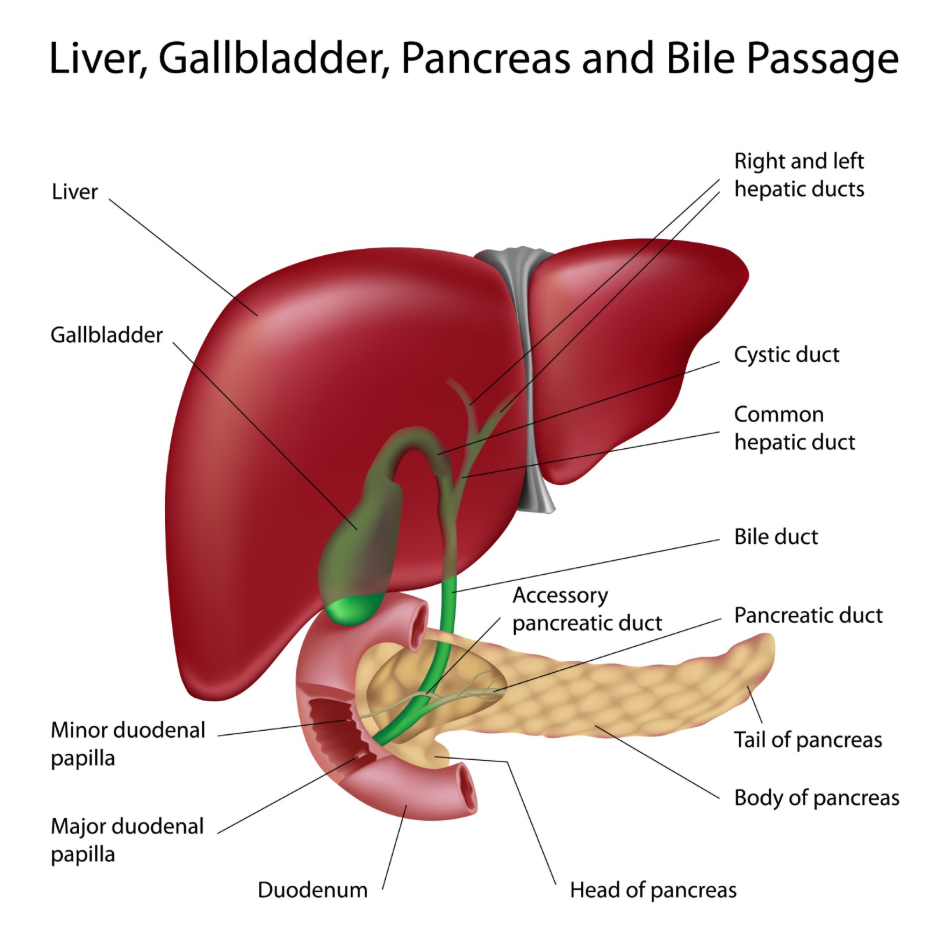
While ALP can also be found in bones, GGT is more specific to the liver and biliary tree. If both ALP and GGT are elevated alongside a rise in conjugated bilirubin, it strongly suggests “obstructive” or post-hepatic jaundice. This pattern is essential for UK clinicians to determine whether the patient needs imaging, such as an ultrasound, to locate a physical blockage like a gallstone.
| Blood Marker | Primary Indication | Common Pattern |
| Bilirubin | Confirms jaundice | High in all types of jaundice. |
| ALT / AST | Liver cell damage | High in hepatitis or cirrhosis. |
| ALP / GGT | Bile duct obstruction | High in gallstones or tumours. |
| Albumin | Liver synthetic function | Low in chronic liver disease. |
Assessing Synthetic Function and Clotting
Assessing the liver’s synthetic function involves measuring proteins like albumin and the International Normalised Ratio (INR) to determine how well the organ is performing its role as a biological factory. Albumin is the main protein produced by the liver, and a low level often indicates long-term liver damage or chronic scarring, such as cirrhosis.
The INR test measures how long it takes for the blood to clot. Because the liver produces the proteins required for blood clotting, a high INR (meaning the blood takes longer to clot) can be a sign of significant liver failure or acute stress. NICE clinical guidelines for the assessment of liver disease emphasise that albumin and clotting tests provide a better measure of actual liver function than enzymes alone, as enzymes only reflect cell damage rather than the organ’s overall capacity. These markers are critical for determining the urgency of care in the UK health system.
Viral and Autoimmune Screening
If initial Liver Function Tests are abnormal, secondary blood tests are used to identify specific causes of liver inflammation, such as viral infections or autoimmune conditions. Viral serology tests check for the presence of antigens and antibodies related to Hepatitis A, B, and C. These tests confirm whether a virus is the primary trigger for the jaundice and help public health teams manage the risk of transmission.
Additionally, autoantibody screens can determine if the patient’s immune system is mistakenly attacking the liver or bile ducts. The GOV.UK health pages indicate that comprehensive blood screening is a vital component of the UK’s strategy for identifying and managing chronic liver conditions before they lead to permanent scarring. By combining biochemical markers with viral and autoimmune screening, clinicians can pinpoint the exact cause of jaundice, ensuring that management is targeted and effective.
Conclusion
Blood tests are the essential clinical tool for confirming jaundice and identifying whether the underlying issue relates to red blood cell breakdown, liver cell damage, or biliary obstruction. By measuring bilirubin levels alongside enzymes and synthetic markers, healthcare professionals in the UK can create an accurate profile of a patient’s liver health. These tests guide the need for further diagnostic imaging and help monitor the effectiveness of treatment over time. Consistent clinical review of these blood markers is necessary to support long-term metabolic and organ health. If you experience severe, sudden, or worsening symptoms, call 999 immediately.
Do I need to fast before a liver function blood test?
Fasting is not usually required for standard liver function tests, but it may be necessary if other tests, like a glucose or cholesterol check, are being done at the same time.
Can a blood test tell the difference between alcohol damage and hepatitis?
Specific patterns in enzyme levels, such as the ratio of AST to ALT, can provide clues, but further viral tests and a medical history are needed to be certain.
Why is my bilirubin high but my liver enzymes normal?
This often suggests a “pre-hepatic” issue, such as a blood disorder, or a benign genetic condition like Gilbert’s syndrome.
What does it mean if my albumin is low?
Low albumin typically means the liver has been under stress for a long time and is struggling to produce enough essential proteins.
How long does it take to get liver blood test results?
In most UK clinics and hospitals, the results of a standard liver profile are available within 24 to 48 hours.
Can certain medications affect my liver test results?
Yes, many medications, including some over-the-counter painkillers and herbal supplements, can cause temporary elevations in liver enzymes.
Is a high bilirubin level always an emergency?
It always requires medical investigation to find the cause, but it is an emergency if accompanied by severe pain, high fever, or confusion.
Authority Snapshot (E-E-A-T)
This article provides medically factual health education regarding the blood tests used to confirm jaundice, strictly aligned with NHS and NICE clinical guidelines. The content is developed by a professional medical writing team and reviewed by Dr. Stefan Petrov, a UK-trained physician with experience in general medicine, surgery, and emergency care. All information follows current UK public health protocols to ensure accuracy and patient safety.



