




Jaundice can be extremely mild and frequently goes unnoticed in its early stages, particularly when bilirubin levels are only slightly elevated or when physical changes are masked by natural skin pigmentation. The yellowing of the skin and eyes associated with jaundice is a physical manifestation of a chemical imbalance in the blood, and the visibility of this change depends on the concentration of the pigment and the lighting conditions during observation. In the United Kingdom, healthcare professionals are trained to look for subtle indicators of jaundice, such as yellowing in the whites of the eyes or changes in the colour of the inside of the mouth, which may appear before the skin shows any obvious alteration. Because the liver has a significant capacity to compensate for minor stress or inflammation, the symptoms of mild jaundice can be intermittent or slow to develop. Recognising these faint signals is important for identifying underlying liver or biliary issues before they progress to more advanced stages. While mild jaundice may not cause immediate physical distress, its presence serves as a vital clinical marker that the body’s natural filtration and excretion systems require assessment.
What We’ll Discuss in This Article
- The biological threshold required for jaundice to become visible to the eye.
- Why mild jaundice is often first detected in the sclera of the eyes.
- Challenges in identifying jaundice in individuals with darker skin tones.
- The role of natural and artificial lighting in the visibility of yellowing.
- Subtle systemic signs that may accompany a mild rise in bilirubin.
- How UK clinical monitoring identifies “silent” jaundice through blood tests.
Visibility Thresholds of Bilirubin in the Blood
Jaundice remains unnoticed until the concentration of bilirubin in the bloodstream reaches a specific level that allows the pigment to deposit into the body’s tissues. Bilirubin is produced during the natural breakdown of red blood cells and is typically filtered by the liver and excreted in bile. The NHS states that jaundice causes yellowing of the skin and the whites of the eyes, but it only becomes visible once bilirubin levels in the blood rise significantly above the normal range.
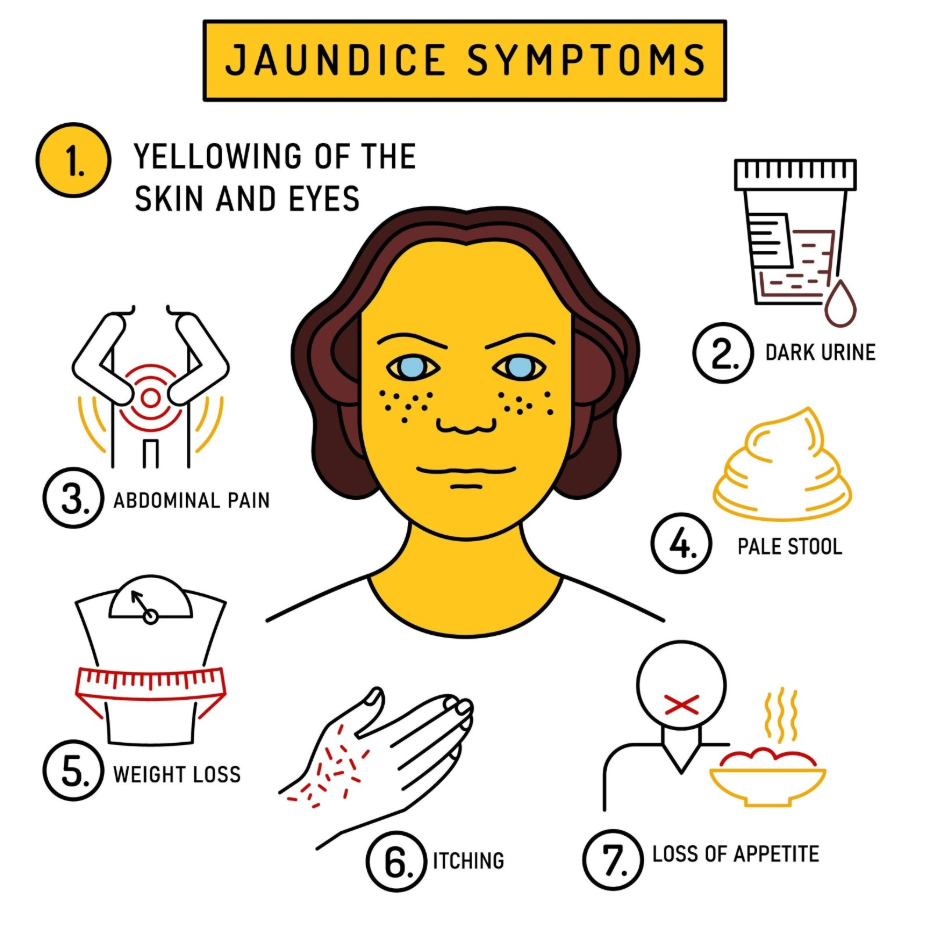
In a healthy adult, total bilirubin levels are usually very low. For the yellowing to be visible to an untrained observer in good light, the levels often need to be at least two to three times the upper limit of the normal range. When levels are only slightly above normal, the change is considered “subclinical,” meaning it cannot be seen during a standard physical examination. During this phase, the liver may still be processing most of the bilirubin, but a small surplus remains in circulation. This explains why a person may feel perfectly healthy or only slightly tired while a blood test reveals that their bilirubin is starting to climb.
Detection in the Eyes versus the Skin
Mild jaundice is often detected first in the whites of the eyes, known as the sclera, because this tissue contains high levels of elastin, which has a strong chemical affinity for bilirubin. The sclera provides a neutral, white background that makes even a faint yellow tint more apparent than it would be against the varied tones of the skin. Consequently, healthcare providers in the UK often check the eyes as the primary site for identifying early or mild jaundice.
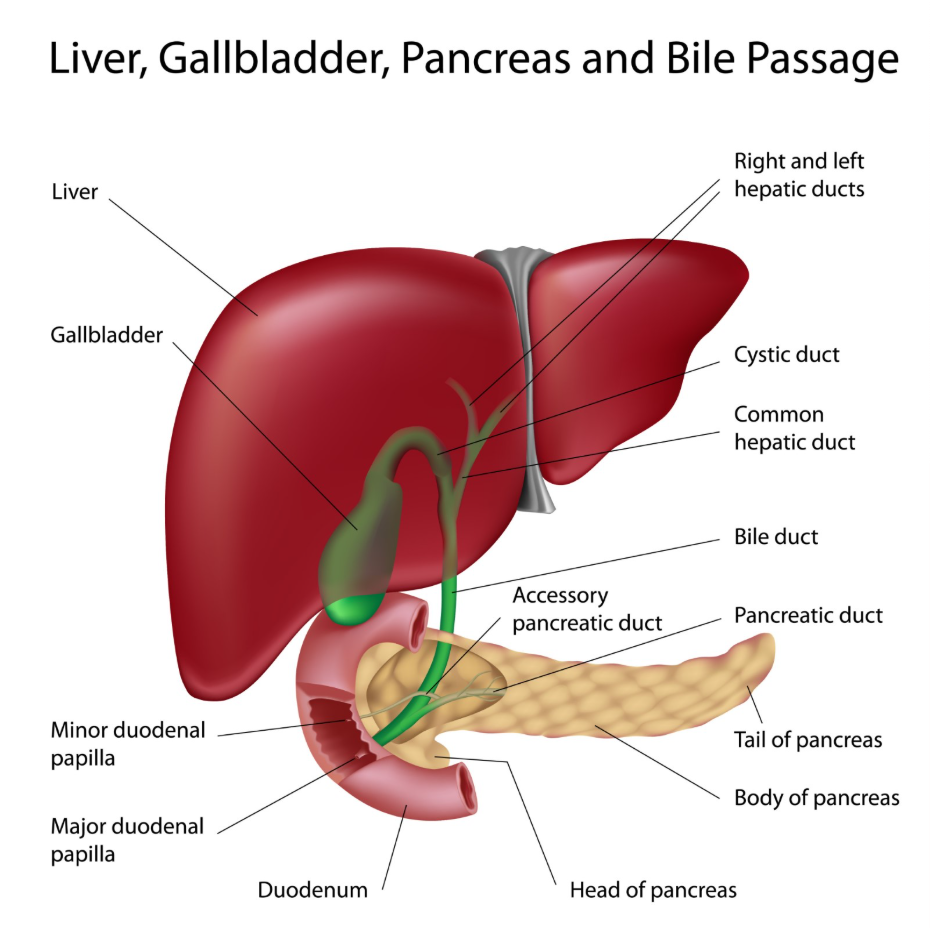
If the yellowing is confined only to the eyes, it is often referred to as scleral icterus. Because skin tone is influenced by melanin, blood flow, and thickness, it can be a less reliable indicator for mild cases. A person might notice that their eyes look slightly “off-colour” or “muddy” in the mirror before any change is visible on their face or torso. This early warning sign is particularly useful in clinical settings, as it prompts further investigation into the liver’s synthetic and filtration capacity before systemic symptoms develop.
Identifying Jaundice in Different Skin Tones
The visibility of mild jaundice varies significantly depending on an individual’s natural skin pigmentation, which can make the condition much easier to miss in people with darker skin tones. In these cases, the yellowing of the skin may be subtle or entirely masked by melanin. UK clinical guidance emphasises the importance of checking alternative sites where the pigment is more likely to be seen.
Alternative sites for observation include:
- The Sclera: Checking the whites of the eyes in natural light.
- The Mouth: Looking at the underside of the tongue or the roof of the mouth.
- The Palms and Soles: Examining the lighter skin on the palms of the hands and soles of the feet.
- The Gums: Checking for a yellow tint in the mucous membranes.
| Site of Observation | Reliability in Mild Cases | Benefit |
| Skin (Torso/Face) | Variable | Primary site for light skin tones. |
| Sclera (Eyes) | High | Best site for all skin types. |
| Mucous Membranes | Moderate | Helps confirm subclinical cases. |
| Palms/Soles | Moderate | Useful when torso skin is dark. |
By focusing on these specific areas, clinicians can ensure that mild jaundice is not overlooked. NICE clinical guidelines for jaundice assessment highlight that a thorough examination of the eyes and mouth is essential for accurate detection across diverse patient populations.
The Influence of Lighting and Environment
The environment in which a person is examined can greatly affect whether mild jaundice is noticed or remains hidden. Natural daylight is the most effective light source for detecting the faint yellow hue of early jaundice, as it provides a full spectrum of colour. Artificial lighting, particularly warm-toned or yellow-tinted bulbs, can mask mild jaundice by blending with the pigment or making the skin appear naturally warmer.
In many hospital settings or homes with dim lighting, mild jaundice can be easily missed. Healthcare professionals often advise patients or carers to observe the skin and eyes near a window during the day. Similarly, certain clothing colours or room decorations can cast shadows or reflections that make the skin look more or less yellow. Because mild jaundice is so dependent on these external factors, it is often first noticed by a family member or friend who sees the individual in a different light or after a period of absence, rather than the individual themselves.
Subtle Systemic Signs of Mild Jaundice
When jaundice is mild enough to go unnoticed visually, there may still be subtle systemic symptoms that suggest the liver or biliary system is under stress. These signs are often non-specific and can be attributed to other minor illnesses, which is why they are frequently ignored. For example, a mild rise in bilirubin and bile salts can cause a slight, intermittent itch that is not associated with a rash.
Common subtle signs include:
- Mild Fatigue: Feeling slightly more tired than usual without an obvious cause.
- Darker Urine: Urine that appears a deeper yellow or amber, particularly in the morning.
- Occasional Nausea: A faint feeling of sickness that comes and goes.
- Vague Abdominal Heaviness: A slight sensation of pressure in the upper right side.
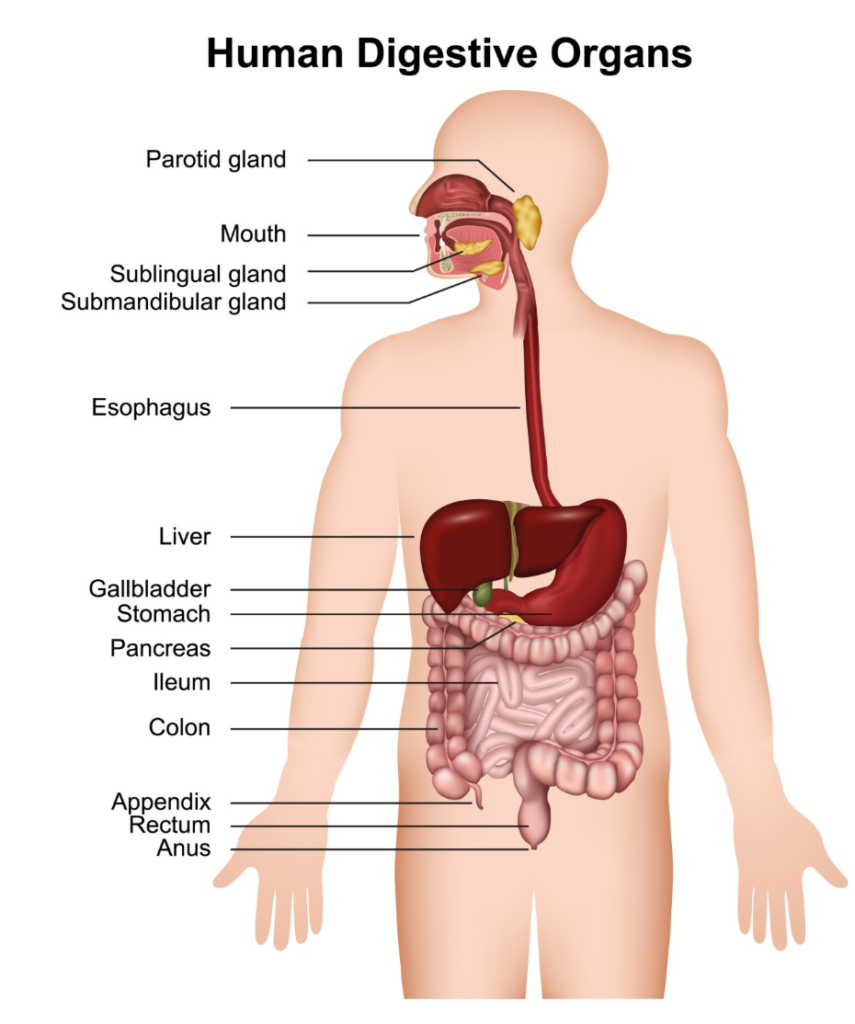
The GOV.UK health pages indicate that even subclinical jaundice should be investigated if it is accompanied by these non-specific symptoms, as they can be early markers of progressive liver disease. These subtle shifts in wellbeing often precede the definitive yellowing of the skin, providing a window of opportunity for early clinical intervention and lifestyle adjustments.
Clinical Monitoring and Blood Investigations
In the UK health system, mild or subclinical jaundice is most accurately identified through routine blood tests known as liver function tests. These tests measure the exact concentration of bilirubin in the blood, providing a definitive answer when visual observation is inconclusive. A blood test can detect elevations in bilirubin long before the pigment begins to settle in the eyes or skin.
If a mild elevation is found, clinicians look at the balance of conjugated and unconjugated bilirubin to determine the source of the issue. For instance, a persistent but very mild elevation in unconjugated bilirubin, with all other liver markers being normal, often points toward a benign genetic condition called Gilbert’s syndrome. In this case, the jaundice may only become visible during periods of illness or fasting. By using blood tests as the primary tool for monitoring, the NHS ensures that even the most subtle changes in liver function are tracked, allowing for appropriate reassurance or further diagnostic imaging if required.
Conclusion
Mild jaundice can easily go unnoticed, especially in the early stages or in individuals with darker skin tones, where the yellowing is less obvious. Detection often relies on observing the whites of the eyes in natural light or identifying subtle changes in urine colour and energy levels. In the UK, blood tests are the most reliable method for identifying subclinical jaundice and monitoring liver health. While the physical signs may be faint, they are important indicators of the body’s metabolic status. Consistent clinical oversight ensures that the underlying cause of any bilirubin elevation is correctly managed. If you experience severe, sudden, or worsening symptoms, call 999 immediately.
Why do my eyes look yellow only in the morning?
Dehydration overnight can make bilirubin more concentrated, and certain lighting in bathrooms can make mild yellowing more apparent.
Can I have jaundice if my skin looks normal?
Yes, you can have high bilirubin levels that are visible in your eyes or mouth, or only detectable via a blood test, while your skin appears normal.
Is mild jaundice always a sign of a problem?
It always needs a medical review, but it can be caused by benign things like a temporary infection or a harmless genetic condition.
How can I check myself for mild jaundice?
The best way is to look at the whites of your eyes in a mirror while standing near a window in natural daylight.
Does Gilbert’s syndrome cause mild jaundice?
Yes, Gilbert’s syndrome is a common cause of mild, fluctuating jaundice that often goes unnoticed until a person is stressed or unwell.
Can certain foods make me look like I have jaundice?
Eating a lot of foods high in beta-carotene, like carrots, can turn the skin orange-yellow, but unlike jaundice, it will not turn your eyes yellow.
Will a blood test always find jaundice?
A liver function test is very accurate and will find elevated bilirubin levels even if they are far too low to be seen on the skin.
Authority Snapshot (E-E-A-T)
This article provides medically factual health education regarding the detection of mild jaundice, strictly aligned with NHS and NICE clinical guidelines. The content is developed by a professional medical writing team and reviewed by Dr. Stefan Petrov, a UK-trained physician with experience in general medicine, surgery, and emergency care. All information follows current UK public health protocols to ensure clinical accuracy and patient safety.



