




Jaundice is frequently accompanied by tiredness, weakness, and abdominal pain because these symptoms often stem from the same underlying medical conditions that cause the yellowing of the skin and eyes. While jaundice itself is a clinical sign of elevated bilirubin levels in the blood, the conditions triggering this buildup, such as liver inflammation or biliary obstruction, often place a significant metabolic strain on the entire body. In the United Kingdom, healthcare professionals view the presence of these systemic symptoms alongside jaundice as important clues to the severity and cause of the illness. The liver is the body’s primary metabolic factory, responsible for energy regulation, toxin filtration, and the production of essential proteins. When its function is compromised, the body’s energy reserves are depleted, resulting in profound fatigue and physical weakness. Furthermore, inflammation or blockages within the liver and gallbladder can cause localised discomfort or sharp pain in the upper abdomen. Recognising the integration of these symptoms is essential for understanding how liver and biliary health affects overall physical wellbeing.
What We’ll Discuss in This Article
- The biological link between liver dysfunction and profound fatigue.
- How metabolic disruptions lead to physical weakness and muscle wasting.
- The causes of abdominal pain in jaundice, from inflammation to gallstones.
- The role of the immune system in causing systemic symptoms during infection.
- Why waste product changes often appear alongside these physical sensations.
- Clinical pathways in the UK for assessing jaundiced patients with multiple symptoms.
Profound Fatigue and Tiredness in Jaundice
Tiredness and fatigue are among the most common symptoms reported alongside jaundice because the liver’s ability to regulate blood glucose and process energy is often impaired during liver disease. In a healthy state, the liver stores glucose as glycogen and releases it when the body needs energy. The NHS states that jaundice is often caused by liver problems like hepatitis or cirrhosis, which can also make you feel very tired and generally unwell.
When the liver is inflamed (hepatitis) or scarred (cirrhosis), these energy-regulating pathways become less efficient. Furthermore, the buildup of toxins in the bloodstream, which the liver would normally filter out, can have a direct effect on the central nervous system, leading to a persistent sense of exhaustion. This type of fatigue is often described as “heavy” and does not typically improve with sleep or rest. In the UK, clinicians use the degree of tiredness as a subjective measure of how much the liver condition is affecting the patient’s daily functional capacity.
Physical Weakness and Metabolic Stress
Physical weakness often occurs with jaundice because the liver struggles to produce the proteins necessary for muscle maintenance and the body may begin to break down its own tissues for energy. This is particularly evident in chronic conditions like advanced cirrhosis, where the liver’s synthetic function is significantly reduced.
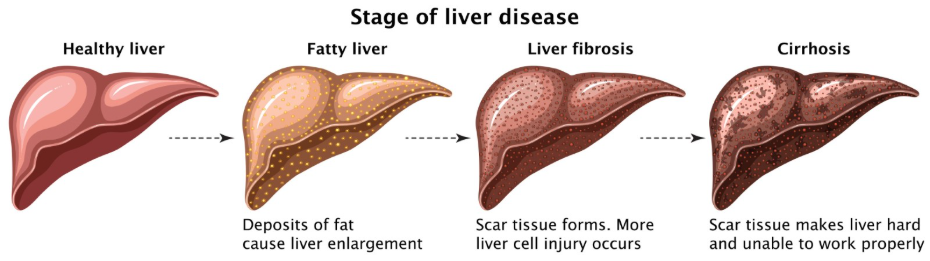
As the body enters a state of high metabolic stress, it may struggle to maintain muscle mass, leading to a noticeable loss of strength in the limbs. Additionally, if the jaundice is caused by an obstruction that prevents bile from reaching the gut, the body cannot absorb fat-soluble vitamins (A, D, E, and K) and fats effectively. This malabsorption can lead to weight loss and further physical debility. The following table compares how different causes of jaundice might contribute to feelings of weakness.
| Cause of Jaundice | Primary Reason for Weakness | Common Accompanying Sign |
| Acute Hepatitis | Systemic viral infection/inflammation | Fever and muscle aches |
| Biliary Obstruction | Malabsorption of nutrients | Pale stools and dark urine |
| Advanced Cirrhosis | Loss of protein synthesis | Muscle wasting and swelling |
Abdominal Pain and Localised Discomfort
Abdominal pain is a frequent symptom in jaundiced patients, though its characteristics vary depending on whether the cause is an infection, inflammation, or a physical blockage like a gallstone. In many cases of jaundice, the pain is located in the upper right part of the tummy, just below the ribs, where the liver and gallbladder are situated.
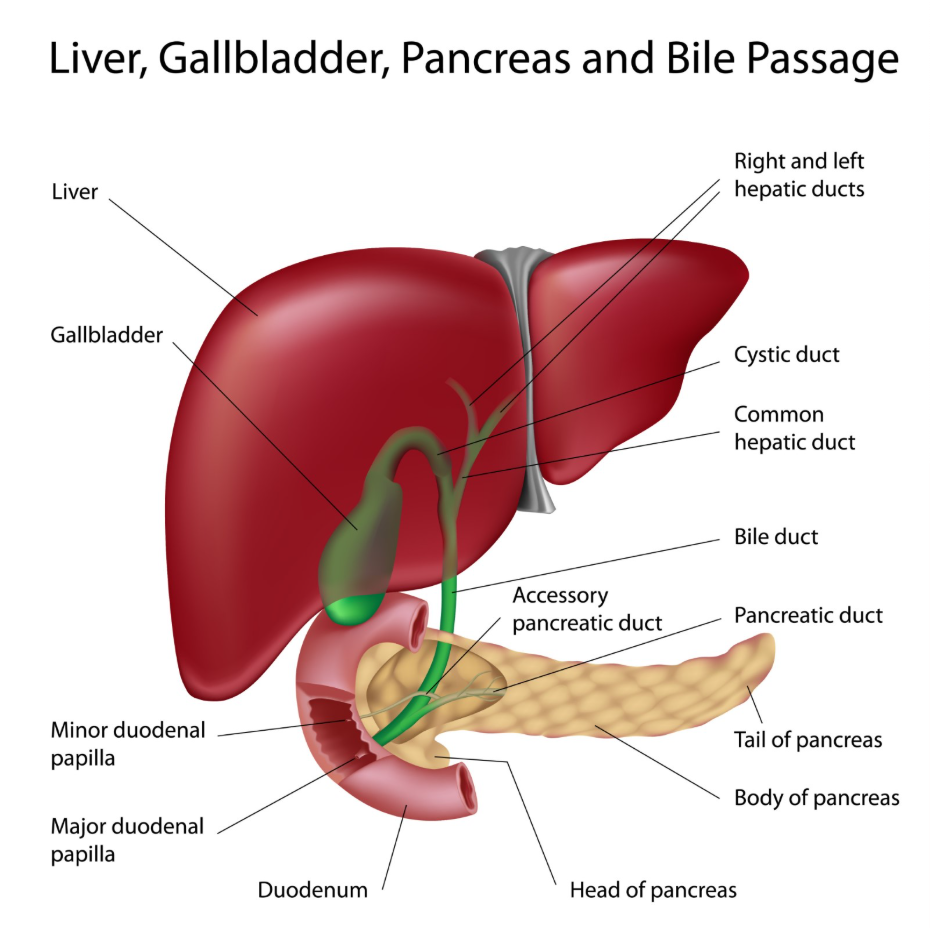
If the jaundice is caused by gallstones blocking a duct, the pain is often sharp, sudden, and may radiate to the back or right shoulder. In contrast, pain from hepatitis is usually a dull, heavy ache caused by the liver swelling and stretching its protective capsule. NICE clinical guidelines for managing gallstone disease highlight that jaundice combined with severe abdominal pain and fever requires urgent investigation to rule out a bile duct infection. Recognising the type and location of pain helps UK healthcare teams decide whether the patient needs urgent surgical intervention or medical management for inflammation.
Systemic Inflammatory Responses
Systemic symptoms like fever, chills, and muscle aches often appear when jaundice is triggered by an infection or an acute inflammatory process. These symptoms are the result of the immune system releasing chemicals called cytokines to fight a virus or bacteria. These chemicals circulate through the body, causing the “flu-like” symptoms that many people experience in the early stages of viral hepatitis.
When the liver is the target of this immune response, its filtration of bilirubin is temporarily disrupted, leading to the visible yellowing. The combination of jaundice with high fever and shaking chills (rigors) is a significant clinical marker in the UK, as it may indicate an infection in the biliary tree (cholangitis). This integrated systemic response shows that jaundice is rarely a localised event; it is almost always part of a wider physiological struggle to maintain health and clear an insult to the liver or gallbladder.
Clinical Investigation and Monitoring in the UK
In the United Kingdom, patients presenting with jaundice, fatigue, and abdominal pain undergo a series of structured investigations to determine the cause and severity. Blood tests, known as liver function tests, measure enzymes that indicate the degree of liver cell damage or bile duct obstruction. Imaging, such as an ultrasound or CT scan, is used to look for physical changes in the liver’s structure or the presence of stones.
The GOV.UK health pages indicate that a comprehensive assessment of systemic symptoms is essential for identifying patients at risk of rapid clinical decline. By tracking the progression of tiredness and pain alongside bilirubin levels, the multidisciplinary team can monitor whether the patient is responding to treatment. In the UK health system, this holistic approach ensures that the patient’s overall comfort and functional status are managed while the primary liver or biliary issue is being addressed.
Conclusion
Jaundice is frequently associated with tiredness, weakness, and abdominal pain because these symptoms reflect the systemic impact of liver and biliary dysfunction. Fatigue often arises from metabolic stress and toxin buildup, while pain is usually a sign of organ inflammation or physical obstruction. In the UK, these accompanying signs are prioritised during clinical assessments to help identify the underlying cause and determine the urgency of care. Monitoring these symptoms alongside visible yellowing is essential for supporting long-term liver health. If you experience severe, sudden, or worsening symptoms, call 999 immediately.
Why does my liver problem make me feel so tired?
Your liver is responsible for managing your body’s energy stores; when it is damaged or inflamed, it cannot release energy efficiently, leading to exhaustion.
Is abdominal pain always present with jaundice?
No, some causes of jaundice, such as certain chronic liver diseases or specific tumours, can develop without any physical pain.
Can jaundice cause my muscles to feel weak?
Yes, if your liver is not producing enough protein or if you are not absorbing nutrients properly due to a blockage, your muscles can weaken.
Does a fever with jaundice mean I have an infection?
A fever often indicates inflammation or infection, such as viral hepatitis or an infected bile duct, and requires a prompt medical review.
Why does the pain from my liver go to my shoulder?
The nerves that supply the liver area also connect to the shoulder area, so your brain can sometimes “misinterpret” liver pain as shoulder pain.
Will my energy levels return once the jaundice fades?
Generally, yes; as your liver heals or the blockage is cleared, your body’s metabolic balance improves and your energy should gradually return.
What does a “dull ache” in the liver area suggest?
A dull ache is often a sign of liver swelling or inflammation, whereas a sharp, cramping pain is more typical of gallstones.
Authority Snapshot (E-E-A-T)
This article provides medically factual health education regarding the symptoms accompanying jaundice, strictly aligned with NHS and NICE clinical guidelines. The content is developed by a professional medical writing team and reviewed by Dr. Stefan Petrov, a UK-trained physician with experience in general medicine, surgery, and emergency care. All information follows current UK public health protocols to ensure accuracy and patient safety.



