




Jaundice frequently causes persistent itching or skin irritation, a symptom medically referred to as pruritus, which occurs when bile components accumulate in the bloodstream and deposit into the skin tissues. While jaundice is most visibly recognised by the yellowing of the skin and the whites of the eyes, the internal chemical imbalance created by impaired liver or biliary function can trigger significant sensory discomfort. In the United Kingdom, healthcare professionals view pruritus as a common and often distressing complication of conditions that obstruct the flow of bile or damage liver cells. The itching associated with jaundice is unique because it is systemic, meaning it originates from within the body rather than from an external allergen or a primary skin disease. Because the liver is responsible for filtering and excreting various metabolic byproducts, any disruption in its filtration pathways can lead to the retention of substances that irritate the sensory nerve endings in the skin. Understanding the biological mechanism behind this irritation is essential for managing the symptom and identifying the underlying cause of the jaundice itself.
What We’ll Discuss in This Article
- The biological link between bile salts, bilirubin, and skin irritation.
- Why certain types of jaundice are more likely to cause intense itching.
- The physical characteristics of jaundice related pruritus versus typical rashes.
- How the accumulation of bile products affects the sensory nerves in the skin.
- Clinical management strategies used in the UK to alleviate liver related itching.
- The importance of identifying the underlying cause to resolve skin symptoms.
The Mechanism of Bile Salt Accumulation and Itching
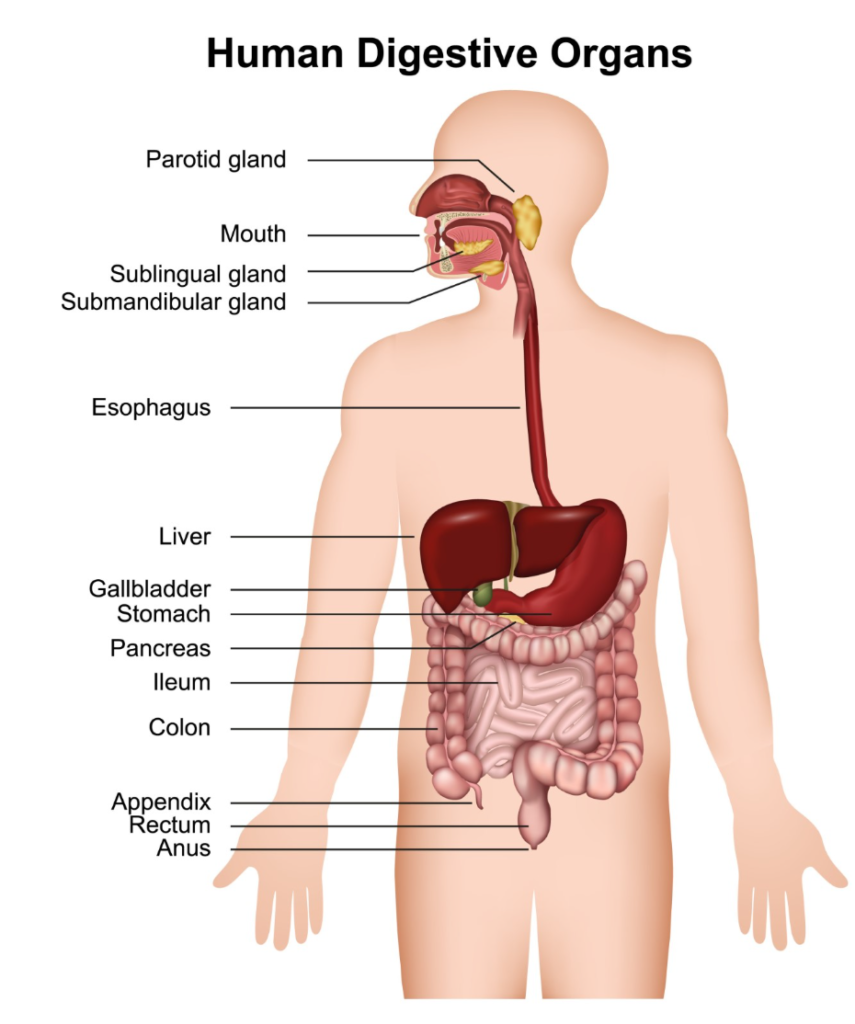
Jaundice causes itching primarily because bile salts, which are normally excreted by the liver into the digestive tract, back up into the circulatory system and settle in the skin. Bilirubin itself provides the yellow colour, but the accompanying bile salts are thought to be the main triggers for the itching sensation. The NHS states that jaundice can cause itchy skin, which is often a result of bile products building up in the body when the liver or bile ducts are not working correctly.
When the liver is inflamed or the bile ducts are blocked, these salts cannot follow their normal excretion pathway. Instead, they leak into the blood and deposit in the cutaneous tissues. Once there, they are believed to interact with specific receptors on the sensory nerve endings or trigger the release of other chemicals that signal an “itch” to the brain. This type of irritation is often most severe on the palms of the hands and the soles of the feet, but it can affect the entire body. Unlike an allergic reaction, this itching is not usually accompanied by a visible rash unless the skin is damaged by repeated scratching.
Why Obstructive Jaundice Causes More Intense Irritation
Itching is typically more common and more intense in cases of obstructive (post-hepatic) jaundice compared to other forms of the condition. Obstructive jaundice occurs when there is a physical blockage in the biliary tree, such as a gallstone or a tumour, which prevents any bile from entering the intestines. Because the “plumbing” is completely capped, the concentration of bile salts in the blood rises more rapidly and to higher levels than in cases where the liver cells are simply inflamed.
| Feature | Obstructive Jaundice | Liver Cell (Hepatocellular) Jaundice |
| Common Causes | Gallstones, Pancreatic tumours | Hepatitis, Cirrhosis, Alcohol |
| Itching Severity | Often severe and persistent | May be mild or absent |
| Waste Changes | Pale stools and very dark urine | Dark urine; normal to pale stools |
| Clinical Pattern | High bile salts in blood | High enzymes from cell damage |
In the United Kingdom, clinicians use the presence and severity of itching as a diagnostic clue. If a patient presents with jaundice and a profound, debilitating itch, it often points the medical team toward investigating a possible blockage in the bile ducts. NICE clinical guidelines for managing biliary disease highlight that pruritus is a hallmark symptom of cholestasis, where bile flow is restricted.
Characteristics of Liver Related Skin Irritation
The skin irritation caused by jaundice has distinct characteristics that help differentiate it from common dermatological conditions like eczema or hives. Jaundice related itching is described as an “internal” itch that is often not relieved by scratching. It frequently worsens at night, during warm weather, or when the skin is in contact with wool or tight clothing. Because there is no primary rash, the skin may appear normal until the patient develops “excoriations,” which are scratches or sores caused by the intense need to itch.
In some chronic liver conditions, such as primary biliary cholangitis, the itching can precede the visible yellowing of the eyes by months or even years. This highlights the fact that bile salt accumulation can reach a level that irritates the nerves before the bilirubin is high enough to change the skin colour. Patients may also notice that their skin feels more sensitive or that they develop small, yellow fatty deposits under the skin, known as xanthomas, which are also related to impaired bile processing.
Management of Itching in the UK Health System
In the United Kingdom, the management of jaundice related itching focuses on both treating the underlying cause and providing symptomatic relief through specific medications. If the itching is caused by a blockage, such as a gallstone, procedures to clear the bile duct often lead to a rapid resolution of the skin irritation as the bile salts are once again excreted normally.
For chronic conditions where the underlying cause cannot be immediately removed, several types of medication may be prescribed:
- Bile Salt Sequestrants: Medicines that bind to bile salts in the gut to prevent them from being reabsorbed into the blood.
- Rifampicin: An antibiotic that can help the liver process and excrete the substances causing the itch.
- Opioid Antagonists: Medications that block certain receptors in the brain to reduce the perception of the itch.
- Antihistamines: While often used, these are generally less effective for liver related itching because the cause is not histamine based, though they may help with sleep.
NHS specialist teams, including hepatologists and specialist nurses, work with patients to find the most effective combination of treatments. Maintaining cool skin, using mild emollients, and wearing loose cotton clothing are also recommended as practical steps to reduce external irritation while the internal chemical balance is being addressed.
The Importance of Professional Monitoring
Because itching can be a sign of worsening biliary obstruction or declining liver function, it is important that this symptom is monitored by a healthcare professional. A sudden increase in the intensity of the itch or the development of new symptoms, such as dark urine or pale stools, can indicate a significant change in the patient’s condition. In the UK, clinicians use blood tests to track bile acid levels and liver enzymes to assess how well the current management plan is working.
The GOV.UK health pages indicate that pruritus is a significant factor in assessing the quality of life and clinical status of patients with chronic liver disease. Early intervention not only improves comfort but also ensures that complications like bile duct infections (cholangitis) are identified and treated promptly. Patients are encouraged to keep a record of when the itching is most severe to help their medical team tailor the timing of medications.
Conclusion
Jaundice frequently causes itching and skin irritation due to the accumulation of bile salts in the blood and skin tissues. This symptom is particularly common in obstructive jaundice caused by gallstones or tumours and can significantly impact daily life. In the UK, management involves identifying the underlying cause of the bile flow restriction and using targeted medications to lower bile salt levels or alter the itch perception. While the yellowing of the skin is the most visible sign of jaundice, the “internal” itch is a critical indicator of liver and biliary stress. If you experience severe, sudden, or worsening symptoms, call 999 immediately.
Does every person with jaundice get itchy skin?
No, some people have jaundice without any itching, especially if the cause is a blood disorder rather than a liver or bile duct issue.
Why is the itching worse at night?
Body temperature changes and a lack of distractions at night can make systemic itching feel more intense, and certain bile levels may fluctuate.
Will standard anti-itch creams work for jaundice?
Moisturising creams can help soothe dry skin, but they usually do not stop the itch because the cause is chemical and internal rather than on the skin surface.
Can a hot bath help the itching?
Actually, heat usually makes liver related itching worse; cool or lukewarm showers are generally recommended to avoid irritating the skin further.
Is the itch a sign of an allergy?
No, jaundice related itching is not an allergy; it is a systemic reaction to the buildup of waste products that your liver is currently unable to filter.
What are “bile salts”?
Bile salts are chemicals produced by your liver to help digest fats; when they can’t get into your gut, they back up into your blood and skin.
How long does the itching last?
The itching typically persists as long as the bile salts are elevated in your blood and usually resolves once the liver heals or the blockage is cleared.
Authority Snapshot (E-E-A-T)
This article provides medically factual health education regarding jaundice and skin irritation, strictly aligned with NHS and NICE clinical guidelines. The content is developed by a professional medical writing team and reviewed by Dr. Stefan Petrov, a UK-trained physician with experience in general medicine, surgery, and emergency care. All information follows current UK public health protocols to ensure accuracy and patient safety.



