Blood disorders that involve the rapid destruction of red blood cells, a process known as haemolysis, can cause jaundice because the liver becomes overwhelmed by the resulting surplus of bilirubin. Bilirubin is a yellow pigment produced during the normal breakdown of old red blood cells, which must be processed by the liver and excreted through the digestive system. In a healthy biological state, the rate of red blood cell destruction is balanced by the liver’s ability to filter this pigment; however, if the cells rupture prematurely or in excessive numbers, bilirubin levels in the bloodstream rise significantly. This specific type of jaundice is often referred to as pre-hepatic jaundice because the primary issue originates in the circulatory system before the blood reaches the liver. In the United Kingdom, healthcare professionals investigate these cases to differentiate between liver disease and haematological conditions that affect the lifespan of red blood cells. Understanding the biological link between blood cell turnover and skin discoloration is essential for identifying when the body’s waste management systems are under stress. While the liver may be perfectly healthy, the sheer volume of pigment produced during haemolysis leads to the characteristic yellowing of the skin and eyes.
What We’ll Discuss in This Article
- The biological life cycle of red blood cells and bilirubin production.
- How the process of haemolysis leads to an oversupply of yellow pigment.
- The role of the liver in attempting to process excess bilirubin.
- Common blood disorders that trigger pre-hepatic jaundice.
- How waste products like urine and stools appear during haemolysis.
- UK clinical pathways for investigating blood related jaundice.
The Relationship Between Haemolysis and Bilirubin
Haemolysis causes jaundice by releasing large quantities of haemoglobin into the bloodstream, which the body then converts into unconjugated bilirubin at a rate faster than the liver can manage. Red blood cells typically live for approximately 120 days before being recycled in the spleen and bone marrow. The NHS states that jaundice is caused by the build-up of bilirubin in the blood, which can happen if red blood cells are broken down too quickly.
When haemolysis occurs, the breakdown process is accelerated. This produces a fat soluble form of bilirubin that must be carried to the liver to be made water soluble for excretion. Because this “unconjugated” bilirubin is not yet water soluble, it cannot be filtered out by the kidneys into the urine. Consequently, it remains in the circulation and begins to settle into the body’s elastic tissues, such as the skin and the whites of the eyes, resulting in the yellow hue associated with jaundice. In many haemolytic cases, the liver continues to function at its maximum capacity, but the external supply of pigment simply exceeds its processing speed.
Common Blood Disorders Triggering Jaundice
Several medical conditions affecting the blood can lead to haemolysis and subsequent jaundice, ranging from genetic predispositions to acquired autoimmune responses. Genetic conditions such as sickle cell anaemia or thalassaemia cause the body to produce red blood cells with abnormal shapes or structures, making them more fragile and prone to breaking. Similarly, a deficiency in certain enzymes, such as G6PD, can leave red blood cells vulnerable to oxidative stress and premature destruction.
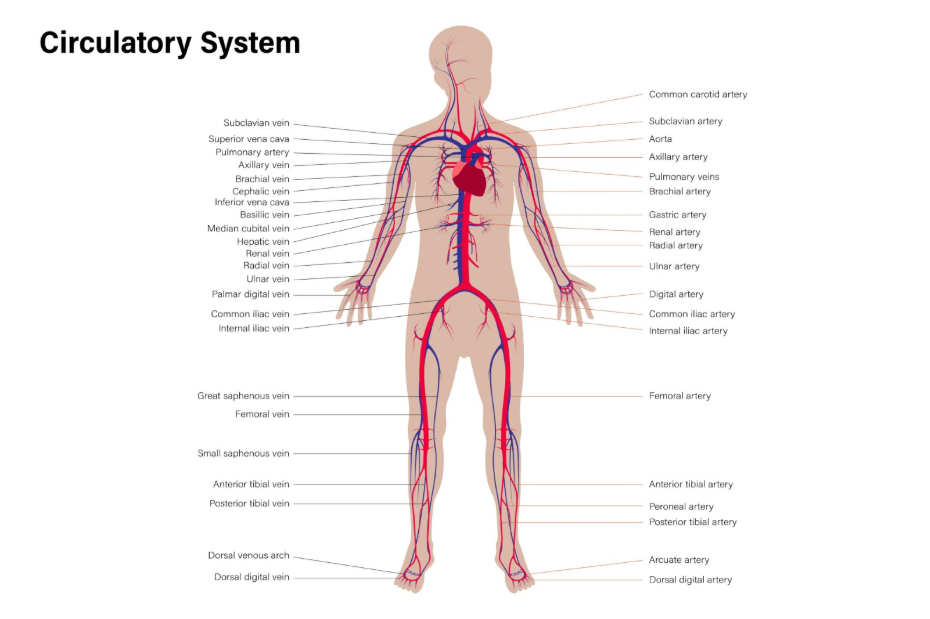
Autoimmune haemolytic anaemia is another common cause in adults, where the immune system mistakenly identifies its own red blood cells as foreign and attacks them. Other triggers include certain infections, such as malaria, or reactions to specific medications. In the United Kingdom, haematologists use specialised blood tests to identify which of these mechanisms is causing the accelerated cell loss. Identifying the specific blood disorder is the priority, as resolving the underlying haemolysis is the only way to reduce the bilirubin levels and clear the jaundice.
Distinguishing Pre-Hepatic Jaundice from Liver Disease
It is clinically important to distinguish jaundice caused by blood disorders from that caused by liver damage or biliary obstruction, as the management strategies differ significantly. Clinical professionals use the patient’s symptoms and the appearance of waste products to help identify the source of the bilirubin buildup.
| Feature | Pre-Hepatic (Blood) Jaundice | Intra-Hepatic (Liver) Jaundice |
| Primary Cause | Rapid red blood cell destruction | Damage to liver cells or tissue |
| Urine Colour | Normal (no bilirubin in urine) | Dark (tea or cola coloured) |
| Stool Colour | Normal to Dark | Normal to Pale/Clay coloured |
| Liver Enzymes | Usually normal | Significantly elevated |
In pre-hepatic jaundice, the urine remains a normal colour because the unconjugated bilirubin cannot pass through the kidneys. However, the stools may actually become darker than usual because the liver is pumping out more processed bilirubin than normal into the gut. These secondary signs provide vital evidence for UK clinicians during a physical examination, helping them to determine if they should focus on the patient’s haematological system or their digestive organs.
The Biological Impact of Excess Bilirubin
While the liver in haemolytic cases is often healthy, the persistent oversupply of bilirubin can eventually lead to secondary complications, most notably the development of pigment gallstones. When the liver processes very high volumes of bilirubin, the bile becomes supersaturated with the pigment. Over time, this excess bilirubin can crystallise in the gallbladder, forming small stones that can themselves cause obstructions.
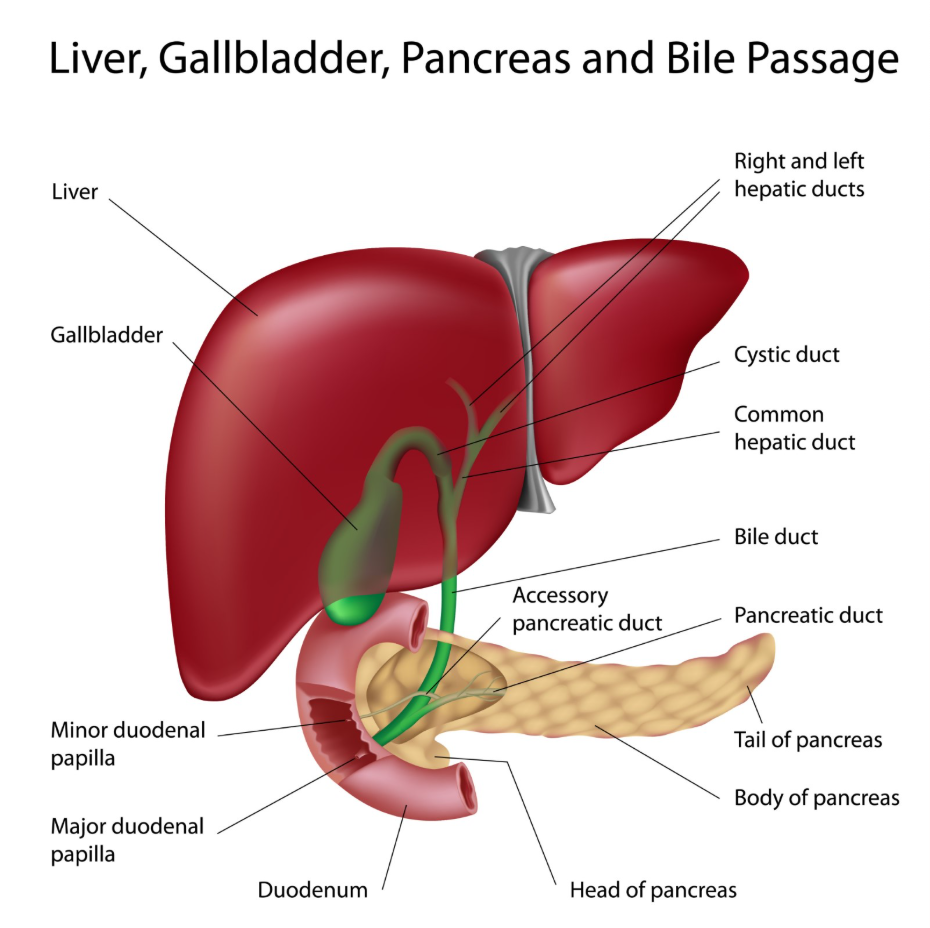
In the UK, patients with chronic haemolytic conditions are often monitored for these gallbladder issues. The presence of jaundice in a person with a known blood disorder can sometimes be a “double hit,” where they have both an overproduction of pigment from the blood and a secondary blockage in the bile ducts. This highlights the importance of regular clinical reviews to ensure that one system is not negatively impacting the other. Accurate monitoring of both blood and liver function markers is the standard of care for these complex cases.
Clinical Investigation and Diagnosis in the UK
The investigation of suspected haemolytic jaundice in the UK involves a series of targeted tests designed to measure the rate of cell destruction and the liver’s response. A Full Blood Count is used to check for anaemia and to look at the shape of the red blood cells under a microscope. A “reticulocyte count” is also performed to see if the bone marrow is working harder than usual to produce new cells to replace those lost during haemolysis.
NICE clinical guidelines for investigating jaundice in adults focus on the use of liver function tests to determine the levels of conjugated versus unconjugated bilirubin. If the unconjugated levels are high and liver enzymes are normal, the focus shifts to haematological causes. These diagnostic pathways ensure that patients are referred to the correct specialist, whether that be a haematologist for blood related issues or a hepatologist if there are signs of liver stress. This integrated approach allows for the efficient management of the underlying disorder and the successful resolution of the jaundice.
Conclusion
Blood disorders such as haemolysis are a well established cause of jaundice, resulting from the liver being overwhelmed by an oversupply of bilirubin pigment. This pre-hepatic jaundice is distinguished by its origins in the circulatory system and its specific impact on the body’s waste products. Management focuses on identifying and treating the underlying haematological condition, such as anaemia or autoimmune responses, to restore metabolic balance. Consistent clinical monitoring through the NHS ensures that the relationship between the blood and the liver is carefully managed. If you experience severe, sudden, or worsening symptoms, call 999 immediately.
If my liver is healthy, why is my skin still turning yellow?
Your skin turns yellow because your blood is breaking down cells faster than even a healthy liver can filter the resulting pigment.
Why isn’t my urine dark if I have jaundice?
In blood related jaundice, the bilirubin is not water soluble, so it stays in your blood and cannot be filtered into your urine by the kidneys.
Can malaria cause jaundice?
Yes, the malaria parasite infects and ruptures red blood cells, leading to haemolysis and a sudden rise in bilirubin levels.
Is haemolytic jaundice contagious?
The jaundice itself is not contagious, but some underlying causes, like certain viral infections that trigger cell breakdown, could be.
What is a “reticulocyte” count?
This is a test that measures young red blood cells; a high count shows your body is trying to replace cells lost during haemolysis.
Can newborns have haemolytic jaundice?
Yes, infants can experience this if there is a blood group incompatibility between the mother and the baby, which requires specialist care.
Will the yellowing fade once the blood disorder is treated?
Yes, as the rate of cell destruction slows down, your liver will catch up and clear the excess pigment from your skin and eyes.
Authority Snapshot (E-E-A-T)
This article provides medically factual health education regarding the link between blood disorders and jaundice, strictly aligned with NHS and NICE clinical guidelines. The content is developed by a professional medical writing team and reviewed by Dr. Stefan Petrov, a UK-trained physician with experience in general medicine, surgery, and emergency care. All information follows current UK public health protocols to ensure accuracy and patient safety.