




Certain medications and environmental toxins can trigger jaundice by causing direct injury to liver cells or by interfering with the organ’s ability to transport bile. The liver is the primary site for the metabolism of drugs and the detoxification of chemical substances, making it uniquely vulnerable to chemical-induced injury. In the United Kingdom, healthcare professionals monitor for Drug-Induced Liver Injury (DILI) as a potential cause of jaundice, particularly when no viral or obstructive cause is immediately apparent. Jaundice occurs when bilirubin, a yellow pigment produced during the recycling of red blood cells, builds up in the blood because the liver is too compromised to process or excrete it. This manifestation serves as a visible warning that the liver’s metabolic pathways are being overwhelmed or damaged by a foreign substance. Understanding the relationship between chemical intake and liver health is essential for ensuring the safe use of therapeutic agents and avoiding hazardous environmental exposures. When the liver is exposed to a substance it cannot safely process, the resulting inflammation or cholestasis leads to the characteristic yellowing of the skin and eyes.
What We’ll Discuss in This Article
- The liver’s biological role in metabolising medications and toxins.
- How chemical substances can cause direct injury to liver cells.
- The mechanism of drug-induced cholestasis and bile duct interference.
- Common over-the-counter and prescription medications linked to jaundice.
- The impact of environmental toxins and herbal supplements on liver function.
- UK clinical protocols for investigating suspected drug-induced liver injury.
The Liver as a Filter for Medications and Toxins
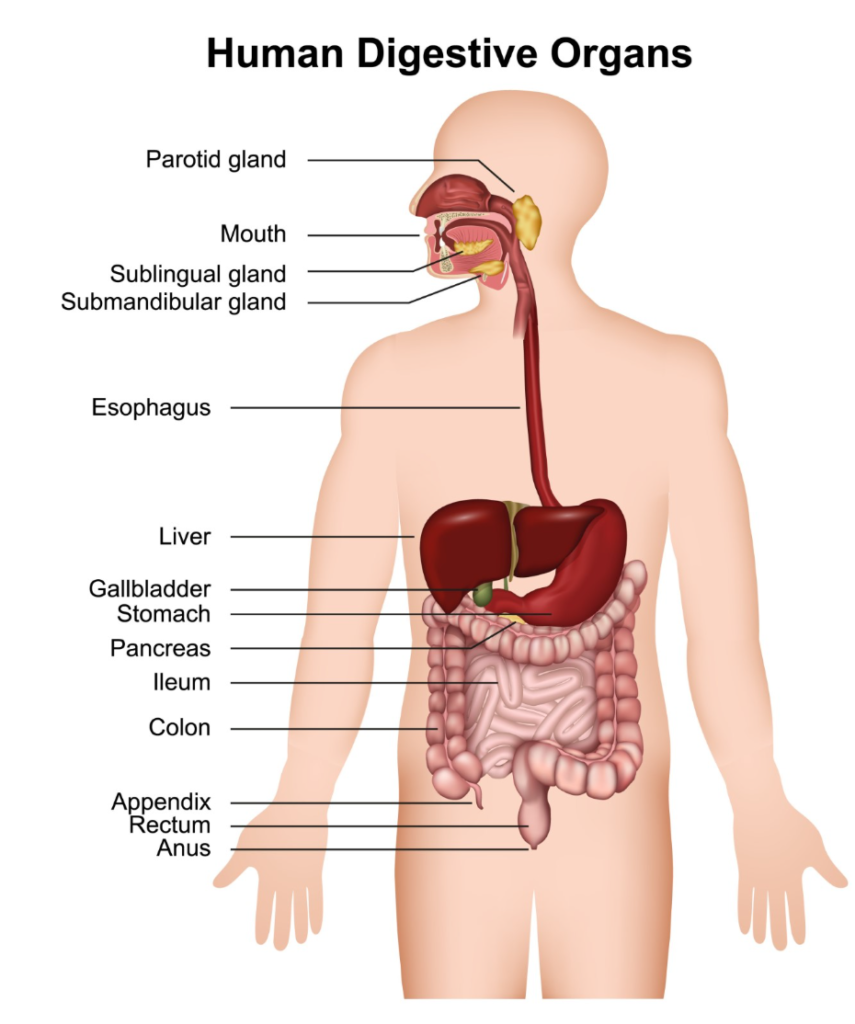
The liver triggers jaundice in response to certain substances because its primary role is to chemically modify medications and toxins to make them safe for excretion. This process, known as biotransformation, involves enzymes that break down complex molecules into water-soluble forms that the kidneys or bowels can then remove. The NHS states that jaundice is caused by the build-up of bilirubin in the blood, which can happen if the liver is damaged by certain medicines or toxins.
While most medications are processed without issue at recommended doses, some substances can produce reactive intermediate metabolites that are highly toxic. These metabolites can attack the internal structures of the liver cells (hepatocytes), leading to cellular death or widespread inflammation. When enough cells are damaged, the liver loses its capacity to conjugate bilirubin, leading to its accumulation in the bloodstream. In the UK, clinicians evaluate a patient’s recent medication history as a standard part of any jaundice investigation to identify potential chemical triggers.
Direct Hepatotoxicity and Cell Injury
Direct hepatotoxicity occurs when a medication or toxin causes predictable, dose-related damage to the liver tissue, leading to acute jaundice if the exposure is significant. A well-known example of this in the UK is paracetamol; while safe at therapeutic levels, an overdose produces a toxic byproduct that exhausts the liver’s antioxidant defences and destroys liver cells. This type of injury is often rapid, with jaundice appearing within a few days of the toxic exposure as liver function declines.
Other substances, such as certain industrial chemicals or poisonous fungi like the death cap mushroom, work in a similar way by directly poisoning the liver’s metabolic machinery. In these cases, the jaundice is a sign of acute liver failure, often accompanied by other symptoms such as nausea, vomiting, and abdominal pain. NICE clinical guidelines for the management of suspected drug-induced liver injury emphasise the importance of identifying the substance quickly to initiate supportive care and prevent permanent organ damage.
Drug-Induced Cholestasis and Bile Obstruction
Some medications trigger jaundice not by killing liver cells directly, but by interfering with the transport of bile, a condition known as drug-induced cholestasis. In this scenario, the liver may still be able to process bilirubin, but the “pumps” that move the conjugated bile into the small drainage ducts are inhibited by the medication. This causes bile to back up within the liver and eventually leak into the circulatory system.
| Type of Injury | Mechanism | Common Indicators |
| Hepatocellular | Direct damage to liver cells | High ALT/AST enzymes in blood. |
| Cholestatic | Blockage of bile flow | High Alkaline Phosphatase; dark urine. |
| Mixed | Both cell damage and bile blockage | Elevation of all liver enzymes. |
Medicines such as certain antibiotics (for example, co-amoxiclav) or anabolic steroids are known to occasionally cause this type of jaundice. Patients with cholestatic jaundice often experience intense skin itching (pruritus) because bile salts, alongside bilirubin, accumulate in the skin. The stools may also become pale while the urine becomes dark, reflecting the physical interruption of the normal bile excretion pathway.
Herbal Supplements and Environmental Toxins
It is a common misconception that “natural” herbal supplements are always safe for the liver, but some can trigger significant jaundice and liver inflammation. In the United Kingdom, several herbal products have been linked to liver injury, including green tea extract in high concentrations, kava, and certain traditional remedies. Because these products are not always regulated as strictly as pharmaceutical drugs, the concentration of active ingredients can vary, potentially reaching levels that are toxic to the liver.
Environmental toxins, such as arsenic, carbon tetrachloride, or certain pesticides, can also cause liver damage through long-term exposure. These substances can lead to chronic inflammation or even the development of liver tumours over time. According to the GOV.UK health pages, monitoring environmental and occupational exposure to known hepatotoxins is a key part of protecting public health and preventing chronic liver disease in the UK. When jaundice appears in an individual with no clear medical cause, a thorough review of their work environment and supplement use is necessary.
Clinical Investigation of Drug-Induced Jaundice
Investigating suspected drug-induced jaundice in the UK involve a meticulous review of all substances ingested by the patient in the weeks or months leading up to the symptom’s onset. Because there is no single test that can prove a medication caused the jaundice, clinicians use a “diagnosis of exclusion.” This means they first rule out viral hepatitis, gallstones, and other common causes through blood tests and imaging.
If the liver enzymes improve after the suspected medication is stopped, this provides strong evidence of a drug-related trigger. UK healthcare providers use databases and reporting systems to track these reactions and ensure patient safety across the health service. Patients are usually advised never to take the triggering medication again, as re-exposure can lead to a much more severe and rapid recurrence of jaundice and liver injury.
Conclusion
Certain medications, herbal supplements, and environmental toxins can trigger jaundice by directly damaging liver cells or obstructing the flow of bile. Whether through predictable dose-related toxicity or unpredictable individual reactions, these substances can overwhelm the liver’s metabolic capacity. Identifying the offending agent is a clinical priority in the UK to stop further injury and allow the liver to recover. Maintaining a complete record of all medications and supplements is essential for ensuring accurate diagnosis and safe treatment. If you experience severe, sudden, or worsening symptoms, call 999 immediately.
Can common painkillers like ibuprofen cause jaundice?
While rare at normal doses, some anti-inflammatory drugs can cause liver stress in sensitive individuals or if taken in very high quantities.
How soon after starting a new medicine would jaundice appear?
It can vary from a few days to several months, depending on whether the injury is a direct toxic effect or an unpredictable reaction.
Are herbal teas safe for my liver?
Most standard teas are safe, but concentrated herbal extracts or supplements can sometimes contain ingredients that are toxic to the liver.
Will my jaundice go away if I stop taking the medication?
In many cases, the liver will begin to heal and the jaundice will fade once the triggering substance is discontinued, though this can take weeks.
Why does some medicine make my skin itch but not turn yellow?
Some drugs cause mild bile backup that is enough to cause itching from bile salts without being severe enough to show visible yellowing.
Is drug-induced jaundice permanent?
If caught early and the medicine is stopped, the damage is often reversible, but severe cases can lead to permanent scarring if ignored.
Can alcohol make medication-induced jaundice worse?
Yes, alcohol places extra stress on the liver and can make it much more vulnerable to damage from other medications like paracetamol.
Authority Snapshot (E-E-A-T)
This article provides medically factual health education regarding medications, toxins, and jaundice, strictly aligned with NHS and NICE clinical guidelines. The content is developed by a professional medical writing team and reviewed by Dr. Stefan Petrov, a UK-trained physician with experience in general medicine, surgery, and emergency care. All information follows current UK public health protocols to ensure accuracy and patient safety.



