




Jaundice occurs when there is an accumulation of a yellowish substance called bilirubin in the blood, which then deposits into the skin and mucous membranes. This condition is a clinical sign of an underlying issue within the liver, gallbladder, or the blood itself, rather than being a standalone disease. In the United Kingdom, healthcare professionals categorise jaundice based on where the disruption in the body’s natural filtration process takes place. While the yellowing of the skin is the most prominent feature, it often indicates that the body is struggling to process or excrete the byproducts of old red blood cells. Understanding the physiological journey of bilirubin from the bloodstream through the liver and into the digestive tract is essential for identifying why this discoloration happens. Because the liver is the central hub for this process, any damage to its tissue or obstruction in its drainage system can lead to the visible manifestation of jaundice.
What We’ll Discuss in This Article
- The biological production of bilirubin from red blood cells.
- The liver’s role in processing and excreting waste pigments.
- Clinical categories of jaundice: pre-hepatic, intra-hepatic, and post-hepatic.
- The physical reasons why bilirubin binds to skin and eye tissue.
- Common health conditions that trigger a rise in bilirubin levels.
- How waste products change colour when the filtration system fails.
The Role of Bilirubin in the Body
Bilirubin is a yellow-orange pigment created during the normal breakdown of red blood cells, and its presence in high concentrations is what causes the yellowing of the skin. Every day, the body replaces millions of aged red blood cells; as these cells decompose, the haemoglobin inside them is converted into bilirubin. Initially, this bilirubin is unconjugated, meaning it is fat-soluble and cannot be easily excreted by the kidneys. The NHS states that jaundice is caused by the build-up of bilirubin in the blood, which can happen if the liver is damaged or there is a problem with the bile ducts.
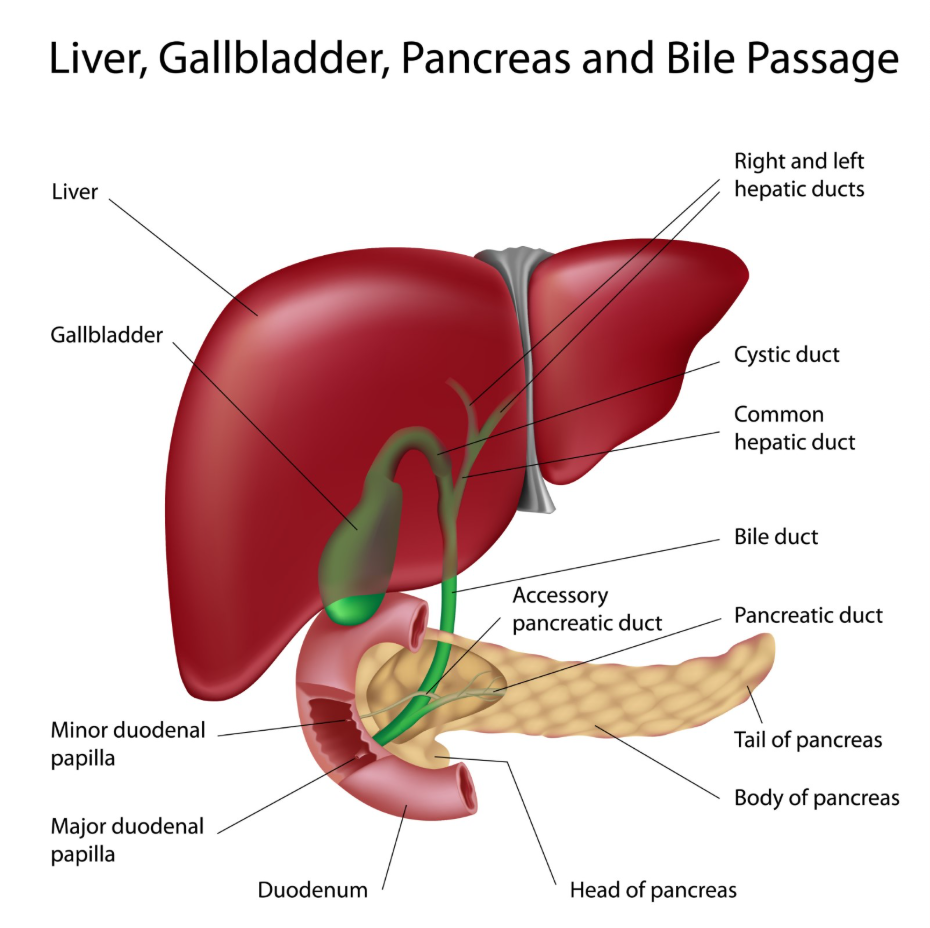
To remove this substance, the liver must conjugate it, making it water-soluble so it can be added to bile and sent to the digestive tract. When the liver is functioning correctly, bilirubin is efficiently moved out of the blood and into the gut, where it eventually gives stools their characteristic brown colour. Jaundice only appears when this system is overwhelmed or blocked, causing the bilirubin to back up into the circulatory system and eventually settle into the body’s tissues.
Why the Skin and Eyes Turn Yellow
The skin and the whites of the eyes turn yellow because bilirubin has a high affinity for elastic tissue, which is abundant in these areas of the body. Once the level of bilirubin in the blood rises above a certain threshold, it leaks out of the small blood vessels (capillaries) and binds to the elastin fibres in the skin and the sclera of the eyes. This binding is what creates the visible yellow hue that defines the condition.
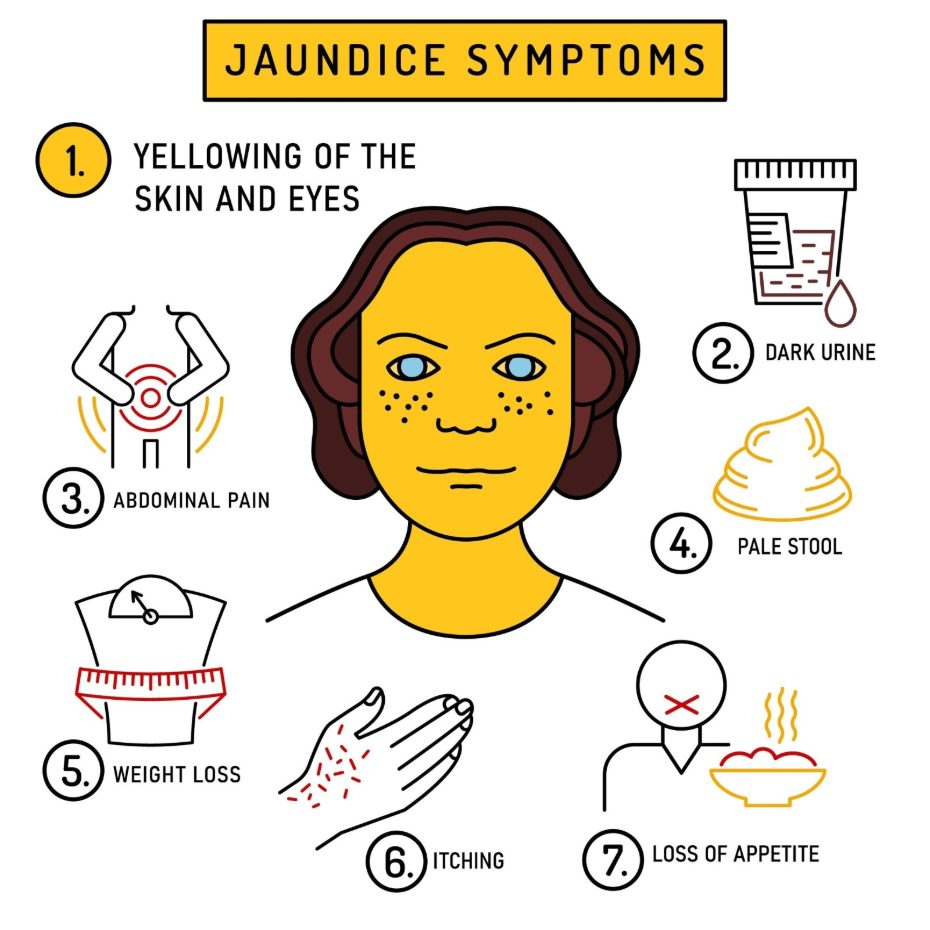
The eyes often show signs of jaundice before the skin because the sclera is naturally white and contains a high concentration of elastin, making the yellow pigment highly visible even at lower concentrations. As the levels of bilirubin continue to rise, the yellowing typically spreads from the head downwards, affecting the face, torso, and eventually the limbs. This physical change is simply the outward manifestation of a chemical imbalance in the bloodstream that the liver is unable to resolve.
Pre-hepatic Causes of Jaundice
Pre-hepatic jaundice occurs when the body produces bilirubin faster than a healthy liver can process it, often due to a rapid breakdown of red blood cells. This is frequently seen in certain types of anaemia, such as haemolytic anaemia, or following large blood transfusions. In these cases, the liver itself is usually not the primary problem; it is simply overwhelmed by the volume of waste product being sent to it from the blood.
Because the bilirubin in pre-hepatic jaundice has not yet reached the liver, it remains unconjugated. This means it is less likely to show up in the urine, but it still causes the classic yellowing of the skin and eyes. In the UK, clinicians use blood tests to determine if the jaundice is originating from a blood-related issue or an organ-related issue. Identifying this early helps ensure that the correct system is targeted for treatment.
Intra-hepatic Causes of Jaundice
Intra-hepatic jaundice is caused by damage directly to the liver tissue, which prevents the organ from either Conjugating the bilirubin or moving it into the bile ducts. This can happen due to viral infections like hepatitis, long-term scarring known as cirrhosis, or the effects of certain medications and toxins. When liver cells are injured, they lose their ability to act as an effective filter for the blood.
| Condition | Mechanism of Jaundice | Clinical Impact |
| Hepatitis | Inflammation of liver cells | Temporary loss of filtration capacity. |
| Cirrhosis | Extensive scarring of tissue | Permanent reduction in functional cells. |
| Fatty Liver | Fat-induced inflammation | Reduced efficiency in waste processing. |
NICE clinical guidelines for liver disease management emphasise that identifying the specific cause of liver cell damage is the priority for resolving intra-hepatic jaundice. In these instances, the jaundice is often accompanied by other signs of liver stress, such as fatigue or a loss of appetite. Because the liver is struggling to perform all its tasks, the buildup of bilirubin is usually a sign of a broader decline in metabolic health.
Post-hepatic (Obstructive) Jaundice
Post-hepatic jaundice, also known as obstructive jaundice, occurs when the liver processes the bilirubin correctly, but a physical blockage prevents the bile from draining into the intestines. This is often caused by gallstones, inflammation of the bile ducts, or tumours. When the “plumbing” system of the liver and gallbladder is blocked, the bile has nowhere to go but back into the bloodstream.
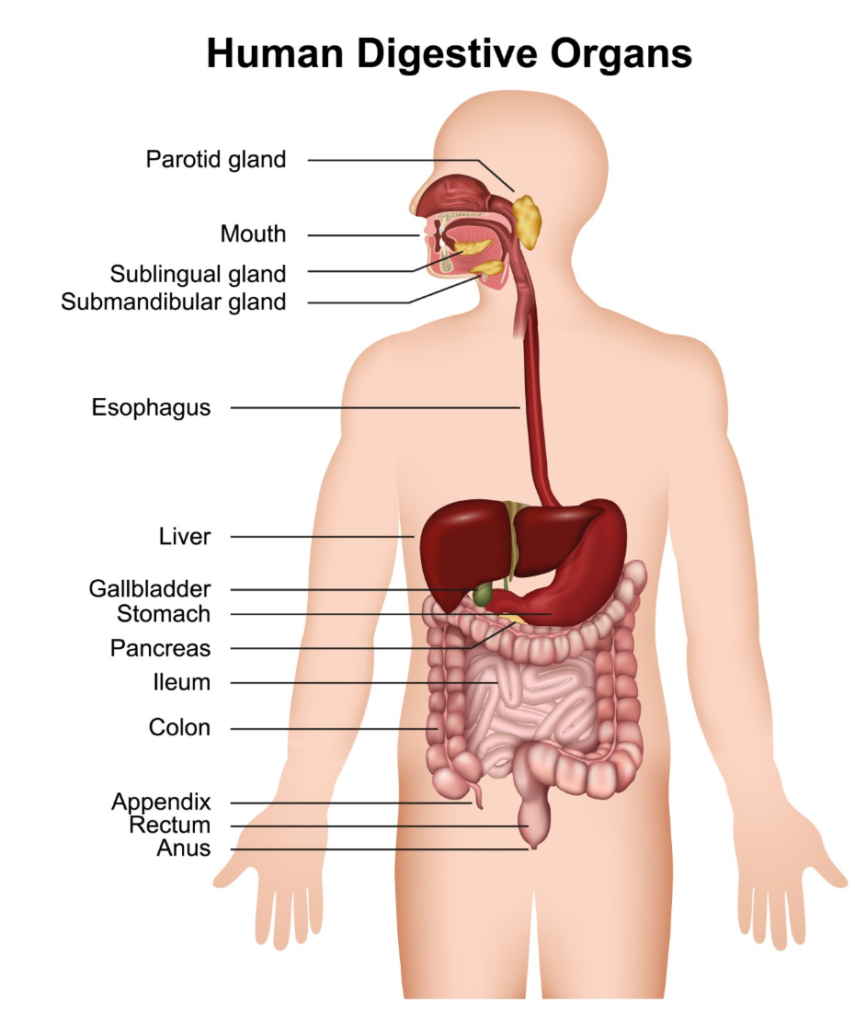
This type of jaundice often causes distinct changes in the colour of waste products. Because the bilirubin cannot reach the gut, the stools may become pale or clay-coloured. Meanwhile, the kidneys try to filter the excess conjugated bilirubin out of the blood, which results in urine that appears very dark, often described as tea-coloured. The GOV.UK health pages indicate that obstructive jaundice requires rapid investigation to ensure that the cause of the blockage, such as a gallstone, is addressed to prevent infection or further damage.
Conclusion
Jaundice is caused by an excess of bilirubin in the blood, which manifests as yellow skin and eyes when the pigment binds to elastic tissue. Whether the cause is pre-hepatic blood breakdown, intra-hepatic liver damage, or post-hepatic obstruction, the resulting yellow hue is a sign that the body’s filtration system is not working as it should. Identifying the specific cause is the most important step in managing the condition and supporting liver health. Regular clinical monitoring and blood tests allow UK healthcare teams to track bilirubin levels and identify the source of the issue. If you experience severe, sudden, or worsening symptoms, call 999 immediately.
Is jaundice a disease?
No, jaundice is a symptom or clinical sign of an underlying health issue involving the liver, blood, or gallbladder.
Can stress cause my skin to turn yellow?
Stress itself does not cause jaundice, but it can worsen underlying conditions that might lead to a rise in bilirubin.
Why does jaundice make my urine dark?
When the liver’s bile ducts are blocked, the kidneys try to filter the excess bilirubin, which turns the urine a dark, tea-like colour.
Can a healthy person have slightly yellow eyes?
Some people have a benign genetic condition called Gilbert’s syndrome where bilirubin levels fluctuate, causing occasional mild yellowing.
Does yellow skin always mean I have liver disease?
Not necessarily; it could be a blood issue or a gallbladder problem, which is why medical investigation is required.
How long does it take for the yellowing to disappear?
The yellowing fades gradually as the underlying cause is treated and the liver begins to clear the bilirubin from the blood.
Can eating too many carrots turn my skin yellow?
Eating many carrots can cause a condition called carotenemia, which turns the skin orange-yellow, but unlike jaundice, it does not turn the eyes yellow.
Authority Snapshot (E-E-A-T)
This article provides medically factual health education regarding the causes and mechanisms of jaundice, strictly aligned with NHS and NICE clinical guidelines. The content is developed by a professional medical writing team and reviewed by Dr. Stefan Petrov, a UK-trained physician with experience in general medicine, surgery, and emergency care. All information follows current UK public health protocols to ensure accuracy and patient safety.



