Alcohol-related liver disease causes jaundice through a multi-stage process of cellular injury and structural damage that prevents the liver from effectively filtering bilirubin from the bloodstream. Bilirubin is a yellow pigment produced during the natural breakdown of aged red blood cells, which must be processed by the liver to be safely excreted from the body. When alcohol is consumed in excessive amounts over a long period, the toxic byproducts of its metabolism trigger widespread inflammation and oxidative stress within the liver tissue. This inflammation disrupts the internal machinery of the liver cells, making them unable to capture or process the bilirubin pigment. In the United Kingdom, healthcare professionals monitor for jaundice as a primary indicator of advanced liver stress or failure resulting from alcohol use. As the disease progresses from fatty changes to active inflammation and eventually permanent scarring, the liver’s capacity to manage metabolic waste products declines significantly. Understanding the biological link between ethanol consumption and the manifestation of yellowing skin is essential for identifying the severity of liver injury.
What We’ll Discuss in This Article
- The biological metabolism of alcohol and the production of toxic acetaldehyde.
- How ethanol-induced inflammation prevents the processing of bilirubin.
- The physical manifestation of jaundice in the eyes and skin tissues.
- The role of liver scarring in obstructing the flow of bile.
- Changes in waste products that signal impaired liver filtration.
- UK clinical protocols for assessing alcohol-related liver damage.
Alcohol Metabolism and the Production of Toxins
Alcohol-related liver disease triggers jaundice because the chemical breakdown of ethanol produces acetaldehyde, a highly toxic substance that damages the internal structures of liver cells. The liver is the primary site for alcohol detoxification, using enzymes to convert ethanol into less harmful substances. However, when the liver is overwhelmed by high volumes of alcohol, the concentration of acetaldehyde rises, leading to direct injury of the hepatocytes, which are the functional cells of the liver.
These damaged cells lose their ability to perform their hundreds of metabolic duties, including the conjugation of bilirubin. Conjugation is the essential process where the liver attaches a sugar molecule to bilirubin to make it water-soluble so it can be passed into the intestines as bile. The NHS states that jaundice is caused by the build-up of bilirubin in the blood, which can happen if the liver is damaged by long-term heavy drinking. When liver cells are inhibited by alcohol toxins, this process stalls, and the yellow pigment remains in the blood.
Inflammation and Swelling of Liver Tissue
The second mechanism by which alcohol causes jaundice is through alcoholic hepatitis, a stage characterised by acute inflammation and swelling of the liver tissue. This inflammatory response is the body’s reaction to the chronic injury caused by ethanol and its byproducts. As the liver becomes swollen, the internal pressure increases, which can physically compress the small drainage tubes known as bile canaliculi.
This compression acts like a physical blockade within the organ, preventing any processed bile from leaving the liver and reaching the gallbladder. Consequently, the bilirubin is forced back into the circulatory system. In the United Kingdom, a sudden onset of jaundice in the context of heavy drinking is often viewed as a sign of this acute inflammatory phase. NICE clinical guidelines for alcohol-use disorders emphasise that the appearance of jaundice in these patients requires urgent medical assessment to prevent further organ failure.
The Transition to Permanent Liver Scarring
In advanced stages of alcohol-related liver disease, the development of cirrhosis creates permanent structural changes that significantly increase the likelihood of persistent jaundice. Cirrhosis occurs when the liver’s attempt to repair chronic inflammatory damage results in the formation of tough, fibrous scar tissue. This scar tissue does not have the functional capacity of healthy liver cells and lacks the machinery required to filter bilirubin from the blood.
| Stage of Disease | Primary Effect | Jaundice Risk |
| Alcoholic Fatty Liver | Fat accumulation in cells | Low |
| Alcoholic Hepatitis | Active inflammation and swelling | Moderate to High |
| Cirrhosis | Permanent, extensive scarring | High |
As the healthy architecture of the liver is replaced by nodules of scar tissue, the organ’s ability to maintain metabolic balance is permanently compromised. The circulatory system within the liver also becomes distorted, leading to increased pressure that further impairs the filtration of waste. In this stage, jaundice may become a chronic feature of the condition, reflecting the loss of a significant portion of the liver’s functional cell mass.
Physical Manifestation and Waste Discoloration
The jaundice caused by alcohol-related liver disease manifests as a yellowing of the skin and eyes and is often accompanied by distinct changes in the colour of urine and stools. Because the liver cannot move bilirubin into the digestive tract, stools often lose their brown colour and appear pale, grey, or clay-coloured. This is a direct result of the lack of stercobilin, the pigment derived from bilirubin that normally colours waste.
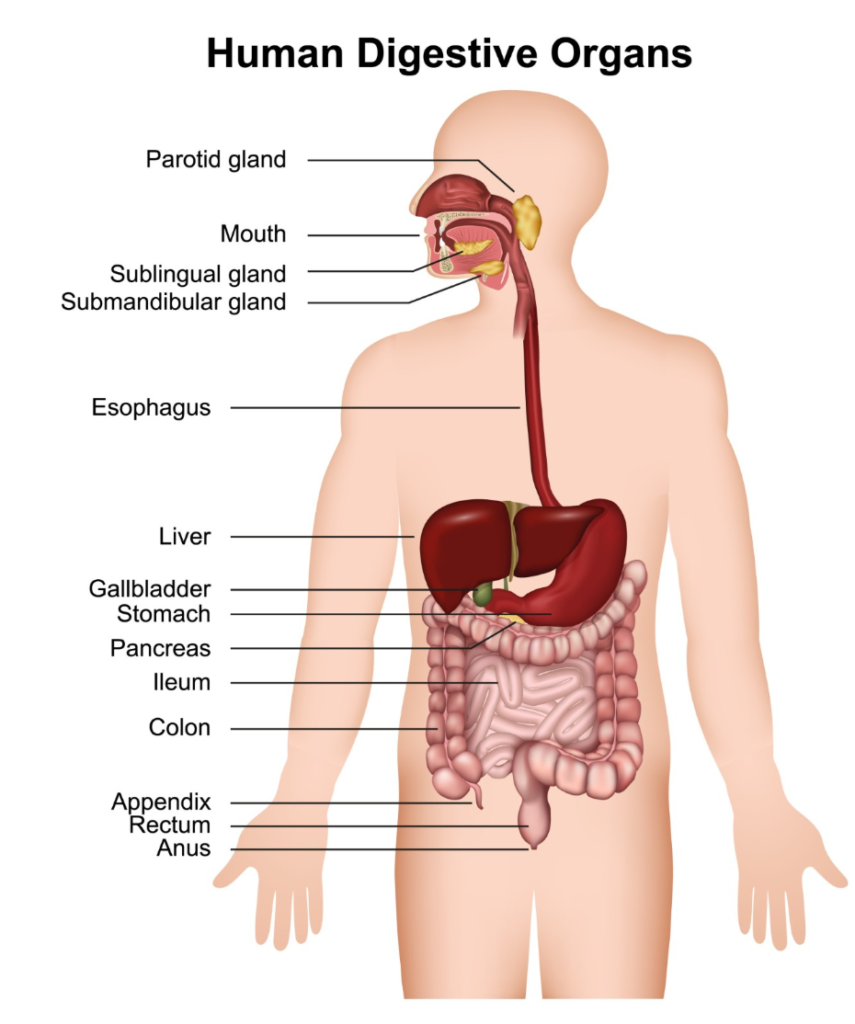
Simultaneously, the body attempts to rid itself of the excess water-soluble bilirubin through the kidneys. This results in urine that is notably dark, often described as tea-coloured or orange-brown. The GOV.UK health pages indicate that the combination of jaundice, dark urine, and pale stools is a critical clinical sign of impaired liver function that necessitates immediate investigation in the UK. These changes serve as a visible map of the liver’s failure to maintain the normal excretion pathway for metabolic byproducts.
Clinical Assessment and Management in the UK
In the United Kingdom, the investigation of jaundice in the context of alcohol use involves a series of blood tests known as liver function tests and imaging to determine the extent of organ damage. Clinicians look for specific patterns in the blood, such as an elevation of the enzyme GGT and a specific ratio of AST to ALT, which are often characteristic of alcohol-induced injury. These tests help determine whether the jaundice is due to acute inflammation or the onset of cirrhosis.
The primary management strategy for alcohol-related jaundice in the UK is total abstinence from alcohol. Removing the toxic trigger allows the liver the best possible chance to reduce inflammation and use its remaining healthy cells to compensate for the damage. If the jaundice is caught during the inflammatory hepatitis stage, it may be partially or fully reversible through strict abstinence and nutritional support. However, if the cause is advanced cirrhosis, the medical focus shifts to managing the symptoms and preventing further complications like liver failure or internal bleeding.
Conclusion
Alcohol-related liver disease causes jaundice by damaging liver cells with toxic acetaldehyde, triggering tissue inflammation, and ultimately leading to permanent scarring. These processes prevent the liver from conjugating and excreting bilirubin, causing the pigment to accumulate in the blood and deposit in the skin and eyes. Associated signs such as dark urine and pale stools are hallmarks of this impaired metabolic pathway. In the UK, early identification and total abstinence are the most effective ways to manage the condition and support liver health. If you experience severe, sudden, or worsening symptoms, call 999 immediately.
Does everyone who drinks heavily get jaundice?
No, jaundice usually only appears once significant liver inflammation or scarring has occurred, which may take many years of heavy use.
Can the yellowing of my skin go away if I stop drinking?
If the jaundice is caused by acute inflammation (hepatitis), it can often improve or resolve with total abstinence, though it takes longer if cirrhosis is present
Why does my skin itch when I have jaundice?
When bile products build up in the blood, they can deposit in the skin and irritate nerve endings, causing a persistent and uncomfortable itch.
Is jaundice a sign that my liver has stopped working completely?
Jaundice is a sign of significant liver stress or failure, but it does not always mean the organ has stopped working entirely; it may still be functional but overwhelmed.
Why are my eyes yellow but my skin looks normal?
Bilirubin binds easily to the elastic tissue in the whites of the eyes, so they often show signs of jaundice before the skin does.
Can a healthy diet fix alcohol-related jaundice?
A healthy diet is important for supporting liver repair, but it cannot fix jaundice unless the primary cause—alcohol consumption—is stopped.
How long does it take for bilirubin levels to drop after I stop drinking?
It can take several days or weeks for the liver to process the excess bilirubin and for the skin colour to begin returning to normal once alcohol is stopped.
Authority Snapshot (E-E-A-T)
This article provides medically factual health education regarding alcohol-related liver disease and jaundice, strictly aligned with NHS and NICE clinical guidelines. The content is developed by a professional medical writing team and reviewed by Dr. Stefan Petrov, a UK-trained physician with experience in general medicine, surgery, and emergency care. All information follows current UK public health protocols to ensure accuracy and patient safety.