Jaundice does not always indicate a life-threatening or serious medical condition, although its appearance always requires a professional clinical assessment to identify the underlying cause. Jaundice is a visible sign of elevated bilirubin levels in the blood, which can result from a wide spectrum of issues ranging from harmless genetic variations to acute infections or physical obstructions. In the United Kingdom, healthcare professionals categorise jaundice into different types to determine the urgency of care and the nature of the necessary intervention. While some forms of jaundice are self-limiting or benign, others serve as an early warning signal for significant liver or biliary dysfunction. Because the liver plays a central role in the body’s metabolic and filtration processes, the yellowing of the skin and eyes is viewed as a primary clinical marker that the system is under stress. Understanding the biological mechanisms behind bilirubin accumulation helps patients and clinicians differentiate between conditions that require immediate treatment and those that can be managed through monitoring or lifestyle adjustments. Accurate identification of the source is the cornerstone of ensuring patient safety and long-term health.
What We’ll Discuss in This Article
- The biological spectrum of conditions that can trigger jaundice.
- Gilbert’s syndrome as a common and harmless cause of yellowing.
- The difference between physiological and pathological jaundice in newborns.
- How acute, self-limiting infections can cause temporary jaundice.
- Identifying serious conditions such as biliary obstructions or liver failure.
- The clinical pathway used in the UK to assess the severity of jaundice.
Harmless Genetic Variations and Gilbert’s Syndrome
Jaundice is frequently caused by harmless genetic variations, most notably Gilbert’s syndrome, which does not lead to liver damage or require medical treatment. Gilbert’s syndrome is a common hereditary condition where the liver has slightly lower levels of the enzyme needed to process bilirubin, leading to intermittent episodes of mild jaundice. The NHS states that Gilbert’s syndrome is a harmless genetic condition where you have occasional episodes of jaundice because your liver does not process bilirubin as well as it should.
For individuals with this condition, the yellowing of the eyes or skin usually becomes noticeable only during times of physical stress, such as when they are fasting, dehydrated, or recovering from a minor viral illness. Outside of these episodes, the liver functions perfectly normally, and the individual remains healthy. In the UK, a diagnosis of Gilbert’s syndrome is often reached when blood tests show isolated high levels of unconjugated bilirubin while all other liver markers and scans remain normal. It is considered a benign finding that does not impact life expectancy or overall physical wellbeing.
Physiological Jaundice in Newborn Babies
Newborn jaundice is an extremely common occurrence that is usually a normal developmental phase and resolves without treatment as the infant’s liver matures. This is known as physiological jaundice and is caused by the baby’s body breaking down a high volume of red blood cells while their young liver is still learning to filter bilirubin effectively.
While most cases are harmless and clear within two weeks, UK clinical protocols require regular monitoring to ensure bilirubin levels do not reach a point where they could become dangerous. NICE clinical guidelines for jaundice in newborn babies provide a structured framework for identifying when the condition is physiological and when it might be “pathological,” requiring intervention such as phototherapy. For the vast majority of infants, this type of jaundice is a temporary sign of the transition to life outside the womb and does not indicate any permanent liver or blood disease.
Acute and Self-Limiting Causes
Some forms of jaundice are caused by acute, self-limiting conditions that resolve once the body clears the initial trigger, such as certain viral infections or reaction to specific medications. Acute Hepatitis A is a prime example of an infectious cause that, while making a person feel very unwell and causing visible yellowing, usually resolves completely without causing long-term liver damage.
In these instances, the jaundice is a sign of temporary liver inflammation. Once the immune system suppresses the virus, the liver cells heal and the bilirubin levels return to normal. Similarly, some medications can cause a temporary backup of bile or mild liver irritation that disappears once the medication is stopped. While these situations are more serious than Gilbert’s syndrome because they involve active inflammation, they do not necessarily lead to chronic or life-threatening disease if managed appropriately with rest and clinical oversight.
When Jaundice Signals a Serious Condition
Jaundice indicates a serious medical condition when it is caused by a significant physical obstruction in the biliary system or advanced, progressive liver damage. These “pathological” causes of jaundice require prompt medical or surgical intervention to prevent irreversible organ damage or life-threatening infections.
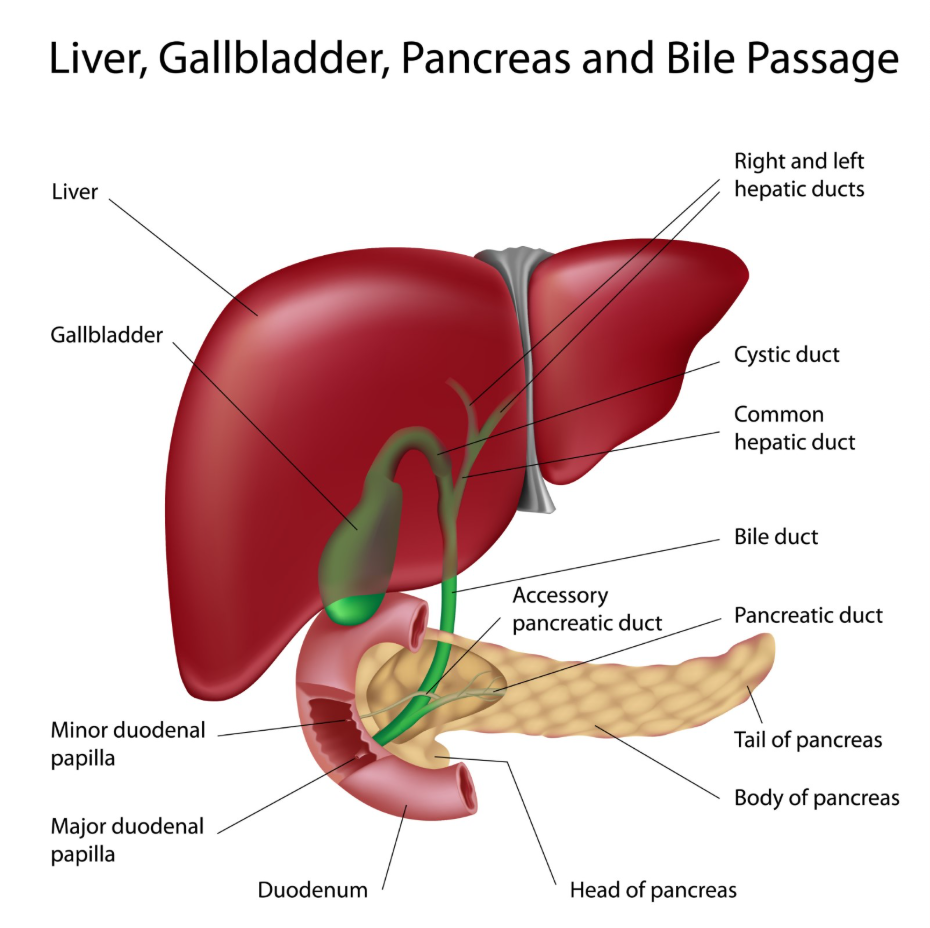
Conditions considered serious include:
- Biliary Obstruction: Gallstones, tumours, or cysts blocking the flow of bile.
- Chronic Liver Disease: Advanced scarring (cirrhosis) from long-term alcohol use or chronic hepatitis.
- Acute Liver Failure: Rapid loss of liver function due to toxins or severe infection.
- Malignancy: Primary liver cancer or cancers that have spread from other organs.
| Feature | Benign/Self-limiting Jaundice | Serious/Obstructive Jaundice |
| Bilirubin Type | Often Unconjugated | Primarily Conjugated |
| Pain | Usually absent or mild | May be severe (e.g., gallstones) |
| Urine/Stool | Typically normal | Dark urine and pale stools |
| Liver Enzymes | Normal or slightly high | Often significantly elevated |
In the United Kingdom, the presence of “red flag” symptoms alongside jaundice, such as unexplained weight loss, fever, or severe abdominal pain, helps clinicians identify these more critical cases. According to the GOV.UK health pages, identifying the underlying cause of jaundice is essential for managing the risk of progressive liver failure across the population.
The Clinical Pathway for Assessing Severity
In the UK, healthcare professionals use a structured diagnostic pathway to determine whether a case of jaundice is serious or benign. This begins with a set of blood tests known as Liver Function Tests (LFTs) which measure bilirubin alongside various liver enzymes. The pattern of these enzymes provides immediate clues; for example, if the enzymes related to the bile ducts (ALP and GGT) are much higher than those related to the liver cells (ALT), an obstruction is suspected.
Diagnostic imaging, such as an ultrasound scan, is often the next step to physically look for stones or tumours. If the liver and ducts appear normal on a scan and the blood tests show a specific pattern of high bilirubin, the doctor may conclude that the cause is a harmless genetic variation. This integrated approach ensures that patients with serious conditions receive rapid specialist care, such as a procedure to clear a blocked duct, while those with benign causes receive the necessary reassurance and monitoring.
Conclusion
Jaundice does not always indicate a serious condition, as evidenced by common and harmless triggers like Gilbert’s syndrome and physiological newborn jaundice. However, it can also be the first visible sign of significant liver disease or a biliary obstruction that requires urgent medical intervention. In the UK, the focus of clinical care is on using blood tests and imaging to differentiate between these possibilities. Identifying the underlying cause is the only way to determine if the jaundice is a temporary metabolic fluctuation or a signal of a more complex health issue. If you experience severe, sudden, or worsening symptoms, call 999 immediately.
If I have Gilbert’s syndrome, will I always look yellow?
No, most people with Gilbert’s syndrome only look slightly yellow occasionally, often when they are tired, ill, or have not eaten for a while.
Can stress alone cause jaundice?
Stress does not cause jaundice in a healthy liver, but it can trigger a visible flare-up in someone who already has Gilbert’s syndrome.
Is jaundice in an adult ever considered “normal”?
While some causes are harmless, jaundice in an adult is never considered “normal” and always needs a medical check to rule out serious issues.
Why are my eyes yellow but my skin is not?
The whites of the eyes are often the first place jaundice appears because the pigment binds easily to the elastin in that tissue.
Can a healthy diet prevent jaundice?
A healthy diet supports liver health, but it cannot prevent jaundice caused by genetic conditions, gallstones, or viral infections.
What is the most common “non-serious” cause of jaundice?
In adults, Gilbert’s syndrome is the most common benign cause, while in babies, it is physiological jaundice of the newborn.
How do doctors know if my jaundice is serious?
They look at the combination of your blood test results, physical symptoms (like pain or weight loss), and imaging scans of your liver and gallbladder.
Authority Snapshot (E-E-A-T)
This article provides medically factual health education regarding the severity of various types of jaundice, strictly aligned with NHS and NICE clinical guidelines. The content is developed by a professional medical writing team and reviewed by Dr. Stefan Petrov, a UK-trained physician with experience in general medicine, surgery, and emergency care. All information follows current UK public health protocols to ensure accuracy and patient safety.