Follow-up care after jaundice improves is essential to ensure that the underlying cause has been fully resolved and to monitor the liver’s recovery of its normal metabolic functions. Jaundice is a visible sign of elevated bilirubin in the blood, and while the fading of yellowing in the skin and eyes is a positive indicator, it does not always mean the internal biological process has returned to a state of complete health. In the United Kingdom, healthcare professionals utilise structured follow-up protocols that include biochemical blood monitoring and, in some cases, repeat imaging to confirm that liver enzymes and drainage pathways are stable. This period of clinical observation is necessary to prevent a recurrence of symptoms and to identify any potential long-term impacts on the biliary system. Because the liver is a highly regenerative organ, it often recovers well once the primary trigger is removed, but consistent oversight ensures that this recovery is progressing as expected. A thorough follow-up plan provides both the clinician and the patient with the objective data needed to confirm that the filtration of waste products has successfully returned to baseline levels.
What We’ll Discuss in This Article
- The importance of serial blood tests to track bilirubin and enzyme levels.
- Monitoring for the resolution of secondary symptoms like itching and fatigue.
- The role of repeat diagnostic imaging in obstructive jaundice cases.
- Long-term lifestyle adjustments to support sustained liver health.
- Clinical indicators that require further specialist investigation.
- UK healthcare pathways for ongoing liver and biliary surveillance.
Biochemical Monitoring Through Serial Blood Tests
The most critical aspect of follow-up after jaundice improves is the use of serial blood tests to confirm that bilirubin and liver enzyme levels are consistently returning to their normal reference ranges. Even after the yellow hue has left the skin, internal markers may remain slightly elevated as the liver finishes clearing residual pigment. The NHS states that jaundice is often a sign of an underlying liver problem, and follow-up tests are necessary to ensure that the liver is functioning correctly once the symptoms have faded.
Clinicians primarily focus on Liver Function Tests, which measure bilirubin alongside enzymes such as Alanine Aminotransferase and Alkaline Phosphatase. A downward trend in these markers provides objective evidence that inflammation is subsiding or that an obstruction has been successfully cleared. In the UK, these tests are typically repeated at specific intervals, such as two weeks and six weeks after the initial improvement, to ensure stability. If the levels plateau or begin to rise again, it signals to the healthcare team that the underlying cause may not be fully resolved and requires further clinical review.
Resolution of Secondary and Systemic Symptoms
Clinical follow-up also involves a review of secondary symptoms to ensure that all systemic impacts of the jaundice have resolved alongside the visible skin changes. Symptoms such as intense skin itching, dark urine, and pale stools should return to normal as the liver’s ability to excrete bile into the digestive tract is restored.
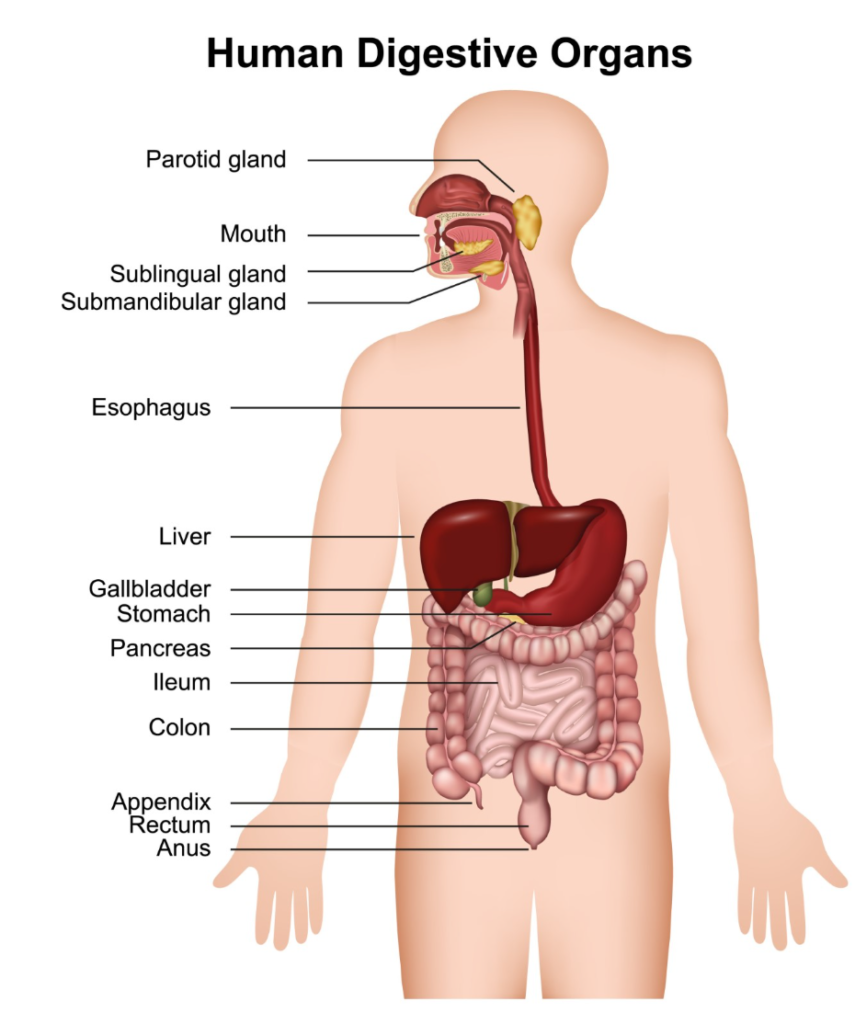
The following table outlines the expected timeline for symptom resolution during the follow-up period:
| Symptom | Recovery Indicator | Typical Timing |
| Yellowing (Skin/Eyes) | Return to natural skin tone and white sclera. | 2 to 4 weeks. |
| Dark Urine | Return to straw-yellow or clear appearance. | Within days of improvement. |
| Pale Stools | Return to normal brown colour and consistency. | Within days of improvement. |
| Pruritus (Itching) | Cessation of the internal itching sensation. | 1 to 3 weeks. |
| Fatigue | Gradual return of normal energy levels. | 4 to 8 weeks. |
Patients are encouraged to monitor these changes daily, as they are direct indicators of the “plumbing” and filtration status of the biliary tree. In the United Kingdom, a persistent lack of colour in the stools or continued dark urine despite fading skin yellowing would be considered a prompt for further diagnostic imaging.
The Role of Repeat Diagnostic Imaging
Repeat diagnostic imaging is often required in follow-up for jaundice caused by physical obstructions, such as gallstones or biliary strictures, to confirm that the drainage pathways remain open. If a patient underwent a procedure like an ERCP to remove a stone, a follow-up ultrasound may be scheduled to ensure no residual stones remain in the gallbladder or ducts.
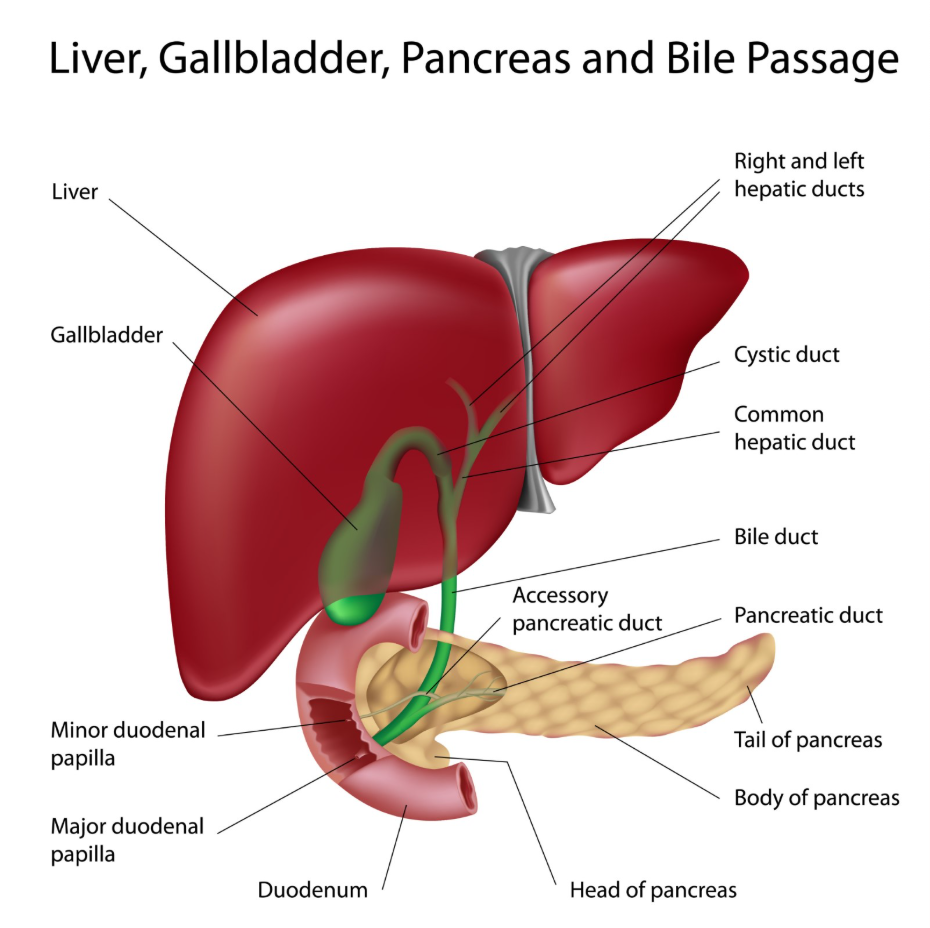
NICE clinical guidelines for the management of gallstone disease emphasise that follow-up imaging is essential for patients who have experienced a biliary obstruction to assess the need for further preventative surgery. For example, if the jaundice was caused by gallstones, the surgical removal of the gallbladder is often recommended as part of the long-term follow-up plan to prevent a recurrence. In cases where the jaundice was caused by a mass or tumour, more detailed CT or MRI scans are used at regular intervals to monitor the area and ensure no new obstructions are developing. This structural confirmation is a cornerstone of the UK diagnostic pathway for post-hepatic jaundice.
Managing Long-Term Liver Health and Lifestyle
Follow-up care provides an opportunity for UK healthcare professionals to discuss long-term lifestyle adjustments that support sustained liver health and prevent future episodes of jaundice. This is particularly important for individuals whose jaundice was triggered by alcohol-related liver injury, non-alcohol related fatty liver disease, or toxic reactions to medications.
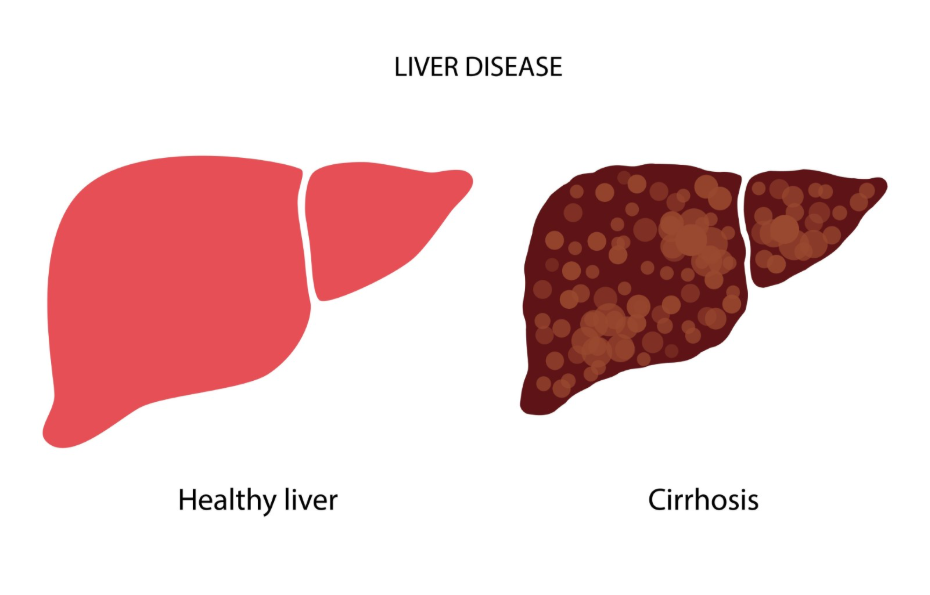
Key areas of focus during follow-up include:
- Alcohol Abstinence: Ensuring the liver is not subjected to further toxic stress during its recovery phase.
- Medication Review: Identifying and avoiding specific drugs or herbal supplements that contributed to the initial injury.
- Weight Management: Reducing liver fat through diet and exercise if the jaundice was linked to metabolic issues.
- Viral Monitoring: Ongoing blood work for patients recovering from Hepatitis B or C to ensure the virus remains suppressed.
By implementing these changes, patients can reduce the metabolic load on their liver cells, allowing the organ to maintain its regenerative progress. According to the GOV.UK health profiles, lifestyle intervention following an acute liver event is a vital component of the UK strategy to reduce the incidence of chronic liver failure.
Identifying Indicators for Specialist Referral
During the follow-up period, clinicians look for specific indicators that suggest the need for a referral to a hepatologist or a specialist biliary surgeon. If the bilirubin levels remain chronically elevated despite the resolution of acute symptoms, it may indicate a rare genetic condition or an underlying autoimmune process that requires more targeted testing.
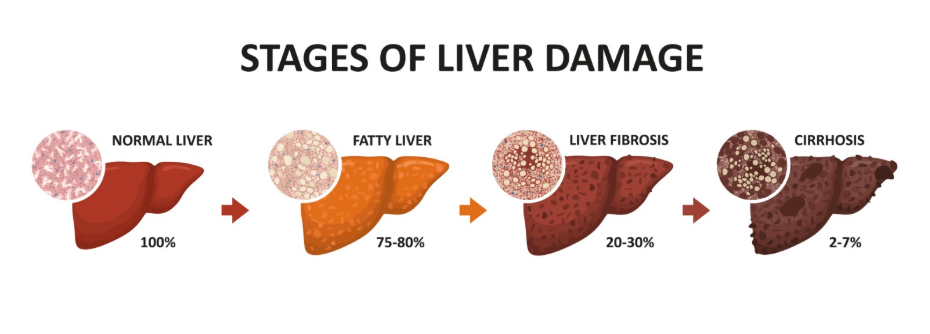
Other indicators for specialist review include evidence of persistent liver scarring or signs of portal hypertension, which is increased pressure in the veins leading to the liver. In the UK health system, this transition from general monitoring to specialist care ensures that complex cases receive the appropriate level of expertise. Most patients will be managed in primary care once their levels have stabilised, but those with markers of chronic disease will enter a longer-term surveillance programme. This ensures that any decline in liver function is caught early, potentially before jaundice even redevelops.
Conclusion
Follow-up after jaundice improves requires a combination of serial blood tests, symptom monitoring, and sometimes repeat imaging to confirm the full recovery of the liver and biliary system. While the fading of yellow skin is a significant milestone, clinical oversight is necessary to ensure that bilirubin and enzyme levels have truly returned to their normal reference ranges. In the UK, this process includes lifestyle support and the identification of any chronic issues that may require specialist intervention. Consistent monitoring is the only way to ensure that the initial cause of the jaundice has been fully addressed and that the organ’s filtration capacity is maintained. If you experience severe, sudden, or worsening symptoms, call 999 immediately.
How many blood tests will I need after my jaundice goes away?
Most patients need at least two sets of follow-up blood tests over six weeks to ensure their liver enzymes have stayed within the normal range.
Do I still need follow-up if I feel completely fine?
Yes, because blood markers can remain abnormal even when you feel well, and it is important to confirm your liver has fully recovered.
Why do I need another scan if my eyes aren’t yellow anymore?
If your jaundice was caused by a stone, a follow-up scan ensures no other stones are left that could cause another blockage in the future.
When can I go back to my normal diet after jaundice?
You can usually return to a balanced diet once your doctor confirms your liver enzymes are stable, but low-fat and low-sugar options are always better for liver health.
Will my jaundice come back if I don’t follow up?
Without follow-up, the underlying cause might not be fully treated, which increases the risk of the jaundice returning or causing an infection.
Is it normal to still feel tired after the yellowing is gone?
Yes, fatigue is often the last symptom to resolve and can take several weeks or months as the liver’s energy-regulating functions return to normal.
What if my bilirubin stays slightly high forever?
In some cases, this may be due to a harmless genetic condition like Gilbert’s syndrome, which your doctor can confirm through specific blood tests.
Authority Snapshot (E-E-A-T)
This article provides medically factual health education regarding the follow-up care required after jaundice, strictly aligned with NHS and NICE clinical guidelines. The content is developed by a professional medical writing team and reviewed by Dr. Stefan Petrov, a UK-trained physician with experience in general medicine, surgery, and emergency care. All information follows current UK public health protocols to ensure clinical accuracy and patient safety.