
Common symptoms of asbestosis primarily involve respiratory difficulties such as progressive shortness of breath and a persistent dry cough that develop many years after initial exposure to asbestos. Asbestosis is a chronic lung condition caused by inhaling asbestos fibres, which leads to long term inflammation and permanent scarring of the lung tissue known as pulmonary fibrosis. Because this scarring makes the lungs stiff and less able to expand, the most noticeable sign is often breathlessness that initially occurs during physical exertion but may eventually happen while resting. Other symptoms can include wheezing, extreme tiredness, and in advanced cases, physical changes to the fingertips and toes.
What We’ll Discuss in This Article
- The primary respiratory symptoms associated with lung scarring.
- Physical signs of advanced asbestosis such as chest tightness and finger clubbing.
- The typical timeline for when symptoms appear after historical exposure.
- How asbestosis symptoms differ from other asbestos related conditions.
- When to seek medical advice for persistent respiratory issues.
- The diagnostic tests used by the NHS to confirm these symptoms.
Primary respiratory symptoms of asbestosis
The most significant and common symptom of asbestosis is a gradual onset of shortness of breath, particularly during activities that were previously easy to perform. This breathlessness occurs because the scarred lung tissue cannot transfer oxygen into the bloodstream as efficiently as healthy tissue. Alongside this, many individuals experience a persistent, dry cough that does not produce phlegm and does not resolve with standard over the counter treatments.
As the condition progresses, the effort required to breathe can lead to significant fatigue and a reduced ability to engage in exercise or daily tasks. Some patients may also notice a whistling or wheezing sound when they breathe, which is caused by the narrowing or obstruction of the smaller airways within the lungs. The main symptoms of asbestosis are shortness of breath, a persistent cough, and wheezing.
Physical signs and advanced symptoms
In addition to breathing difficulties, asbestosis can cause several physical signs that are detectable during a medical examination. One characteristic sign is “velcro-like” crackling sounds in the lungs, which a doctor can hear through a stethoscope when the patient breathes in. These sounds are a direct result of the stiffened air sacs opening against the resistance of the scar tissue.
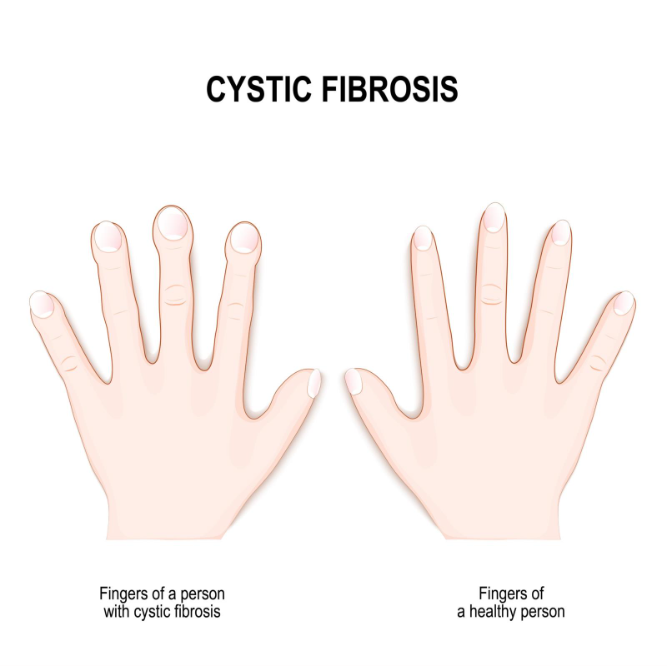
Advanced asbestosis may also lead to a condition known as finger clubbing, where the tips of the fingers or toes become enlarged, rounded, and feel soft or spongy. This change is thought to be related to chronic low oxygen levels in the peripheral tissues. Furthermore, patients may report a frequent feeling of tightness or dull pain in the chest, although sharp pain is less common and may indicate other complications. Asbestosis symptoms can also include a feeling of tightness in your chest and finger clubbing.
The timeline and latency of symptoms
A defining characteristic of asbestosis symptoms is their delayed onset, often appearing decades after the period of actual asbestos exposure. It is very rare for symptoms to manifest immediately after inhaling asbestos fibres; instead, they typically emerge between 20 and 30 years later. This long gap is known as the latency period, during which the lungs slowly develop the inflammation and scarring that eventually leads to the symptoms.
Because of this delay, many individuals do not connect their current breathing problems with jobs they held in the construction, shipbuilding, or insulation industries many years ago. It is essential for anyone with a history of working with asbestos to be aware that new respiratory symptoms, even in retirement, could be related to that historical exposure. Symptoms of asbestosis often do not appear until 20 to 30 years after you were first exposed to asbestos.
Differentiating asbestosis from other conditions
It is important to distinguish the symptoms of asbestosis from other conditions caused by asbestos, such as pleural thickening or mesothelioma. While asbestosis affects the lung tissue itself (the parenchyma), other conditions may affect the lining of the lungs (the pleura). The symptoms can overlap, but the underlying cause and the required medical management are different.
The following table compares the typical symptom patterns for asbestosis and other common asbestos related lung issues:
| Feature | Asbestosis | Pleural Thickening | Mesothelioma |
| Primary Symptom | Progressive breathlessness | Chest pain and breathlessness | Severe chest pain and cough |
| Cough Type | Persistent and dry | Occasional | Persistent, sometimes with blood |
| Physical Sign | Finger clubbing common | Reduced chest expansion | Fluid around the lungs |
| Onset After Exposure | 20 to 30 years | 10 to 20 years | 30 to 50 years |
Conclusion
The common symptoms of asbestosis are primarily respiratory, including progressive breathlessness and a persistent dry cough that develop long after exposure has ended. Recognizing these signs early is vital for managing the condition and preventing further complications through specialized NHS care. While the scarring is permanent, supportive treatments can help maintain quality of life. If you experience severe, sudden, or worsening symptoms, such as significant difficulty breathing or sudden chest pain, call 999 immediately.
Does asbestosis always cause a cough?
While a persistent dry cough is a very common symptom, not every individual with asbestosis will experience it in the same way. Some people may find that shortness of breath is their only significant symptom for a long period of time.
Can asbestosis symptoms be reversed?
No, the symptoms of asbestosis are caused by permanent scarring of the lung tissue which cannot be reversed. Treatment focuses on managing the symptoms, improving breathing efficiency, and preventing further lung damage.
Is chest pain a common sign of asbestosis?
A feeling of chest tightness or heaviness is common, but sharp or severe chest pain is less typical for asbestosis. If you experience sharp pain, it is important to investigate other possibilities such as pleural disease or lung infections.
How do I know if my breathlessness is asbestosis or just aging?
Breathlessness that is persistent, worsening over time, or occurs with activities that you used to do easily should never be dismissed as just aging. If you have a history of asbestos exposure, you should discuss these symptoms with a doctor.
Can asbestosis symptoms appear if I only had a short exposure?
Asbestosis usually requires heavy and prolonged exposure to asbestos fibres over several years. While short exposures are less likely to cause asbestosis, they can still increase the risk of other conditions like mesothelioma.
Authority Snapshot (E-E-A-T Block)
This article was developed by the Medical Content Team to provide clear, evidence-based information on the symptoms of asbestosis for the general public. The content has been reviewed for accuracy by Dr. Stefan Petrov, a UK-trained physician with experience in general medicine and emergency care. All information adheres to the clinical standards and guidance provided by the NHS and the National Institute for Health and Care Excellence (NICE).
