
A concussion is a type of mild traumatic brain injury that causes a temporary disturbance in brain function. While many people experience immediate issues with balance or coordination following a head impact, these symptoms usually resolve as the brain heals. Balance is a complex process that involves the brain, the eyes, and the inner ear working together in harmony. Understanding the relationship between a head injury and these body systems is essential for ensuring a safe and complete recovery process.
What We’ll Discuss in This Article
- The common causes of balance issues following a concussion.
- The typical timeline for the recovery of coordination and stability.
- The role of the inner ear and the brain in maintaining balance.
- Factors that might lead to persistent balance or coordination problems.
- Safe ways to monitor and manage balance symptoms at home.
- Critical signs that indicate a need for urgent medical assessment.
How a concussion impacts balance and coordination
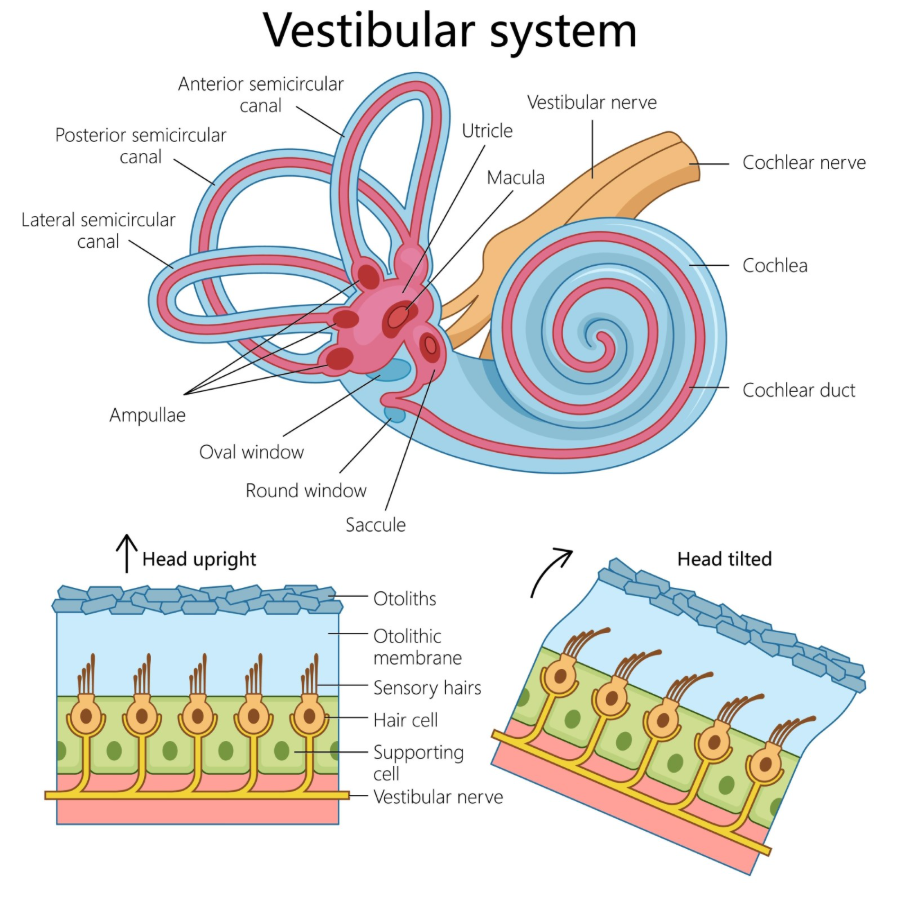
Balance and coordination problems are common immediately following a concussion because the injury disrupts the complex communication between the brain, the eyes, and the inner ear. The brain relies on a system called the vestibular system, which is located in the inner ear, to understand where the body is in space. A jolt to the head can cause a temporary chemical imbalance in the brain or affect the sensors in the inner ear directly. This disruption leads to feelings of dizziness, unsteadiness, or a general lack of coordination during movement.
When a person sustains a concussion, the brain may struggle to process the sensory information it receives from the environment. This can make walking in a straight line or navigating uneven surfaces feel difficult. In many cases, these symptoms are a sign that the brain is prioritising healing over the fine-tuning of motor skills. The NHS describes concussion as a temporary injury to the brain that can cause symptoms like dizziness and problems with balance. Most people will find that these sensations are most pronounced in the first few days and begin to improve steadily thereafter.
Typical recovery of balance after a head injury
Most people find that their balance and coordination return to normal within two to four weeks as the brain heals and the metabolic state of the brain tissue stabilises. During this recovery window, it is common to feel slightly unsteady when moving quickly, changing positions, or standing on one leg. Recovery usually follows a predictable path where symptoms are most intense in the first 48 to 72 hours and then gradually subside as physical and cognitive rest are prioritised.
For the vast majority of patients, the brain is able to recalibrate its balance systems without the need for intensive intervention. It is important to avoid activities that increase the risk of another head impact during this period, as the brain is more vulnerable to injury while it is still recovering its coordination. According to NICE guidance, the majority of symptoms from a minor head injury should resolve within a few weeks with appropriate rest. If a person remains symptom-free during a gradual return to activity, it is a strong indicator that the balance systems have recovered.
| Feature | Typical Early Recovery | Persistent Balance Issues |
| Duration | Usually 1 to 4 weeks | Longer than 3 months |
| Stability | Improving steadily each day | Static, fluctuating, or worsening |
| Trigger | Most movements and tasks | Specific positions or fatigue |
| Requirement | Standard rest and pacing | Specialist medical assessment |
Export to Sheets
Factors involved in persistent coordination issues
While rare, some individuals may experience persistent coordination or balance issues for several months if the initial injury was significant or if there were pre-existing conditions affecting the vestibular system. These persistent symptoms are often referred to as post-concussion syndrome. In these cases, the brain and the eyes may not be communicating as effectively as they were before the injury, leading to ongoing clumsiness or difficulty with complex movements like those required in sports.
Persistent unsteadiness can also be related to secondary factors such as neck strain or anxiety related to the injury. A neck injury occurring at the same time as a concussion can affect the signals sent to the brain about head position, which the brain then interprets as a loss of balance. If balance problems do not resolve within the typical timeframe, a medical professional may recommend specific exercises to help the brain and eyes work together more effectively. If balance problems or dizziness persist for more than a few weeks, a medical review is often necessary to rule out other complications.
Monitoring balance and stability during recovery
Checking your stability by performing simple daily movements, such as walking in a straight line or standing on one leg with support nearby, can help you monitor your recovery progress. It is normal for these tasks to feel slightly more difficult in the first week following a concussion. As the brain recovers, you should notice that these tasks become easier and that you feel more confident in your movements.
It is helpful to keep a record of when balance issues occur. For example, some people find they feel more unsteady when they are tired or in a busy environment with lots of moving objects. This is a common part of the recovery process as the brain has to work harder to process visual and balance information when it is fatigued. Gradually reintroducing activities while monitoring for any return of symptoms is the safest way to return to a normal routine.
When balance issues require urgent assessment
While mild unsteadiness is expected after a concussion, any sudden loss of balance or inability to walk requires an immediate medical evaluation to rule out more serious complications. In the first 48 hours after a head injury, it is vital to have someone monitor the person for any worsening of symptoms. A significant change in coordination can sometimes be a sign of internal issues that require specialist diagnostic tests like a brain scan.
You should seek emergency medical help by calling 999 or attending the nearest Accident and Emergency department if you notice any of the following symptoms:
- A sudden or severe inability to walk or stand up.
- Coordination problems that are getting worse rather than better.
- Any loss of consciousness, even if it was very brief.
- New or worsening confusion, irritability, or unusual behaviour.
- A severe headache that does not go away with paracetamol.
- Repeated vomiting or persistent nausea.
- Weakness in the arms or legs or problems with speech.
- Clear fluid or blood leaking from the ears or nose.
Conclusion
Most balance and coordination issues following a concussion are temporary and resolve within a few weeks as the brain heals. Consistent rest and a gradual return to physical activity are the best ways to ensure a full and safe recovery. If symptoms do not improve as expected or if you have concerns about persistent unsteadiness, a clinical review can help identify the best path forward. If you experience severe, sudden, or worsening symptoms, call 999 immediately.
Is dizziness the same as a balance problem?
Dizziness is often described as a sensation of spinning or lightheadedness, while a balance problem is an objective feeling of being unsteady on your feet.
Why do I feel more clumsy after a head injury?
A concussion can slow down the speed at which your brain processes information, which can lead to a temporary lack of coordination or clumsiness.
Can a neck injury cause balance problems?
Yes, a strain to the neck muscles can interfere with the signals sent to the brain about head position, leading to feelings of unsteadiness.
Is it safe to drive if I feel slightly unsteady?
You should not drive until you are completely free from any dizziness or balance issues and have been advised it is safe by a healthcare professional.
Can fatigue make my balance worse?
The brain uses a significant amount of energy to maintain balance, so you may find you are more unsteady at the end of a long day.
Do children recover their balance differently than adults?
Children generally have a high recovery potential, but their balance systems are still developing, so they often require a longer and more cautious recovery period.
Authority Snapshot (E-E-A-T)
This article provides evidence-based information on concussion recovery, strictly following NHS and NICE clinical guidelines. The content was authored by the Medical Content Team and reviewed by Dr. Stefan Petrov, a UK-trained physician with extensive experience in emergency and general medicine. Our priority is to provide safe, factual, and neutral public health guidance for those recovering from head injuries in the United Kingdom.
