




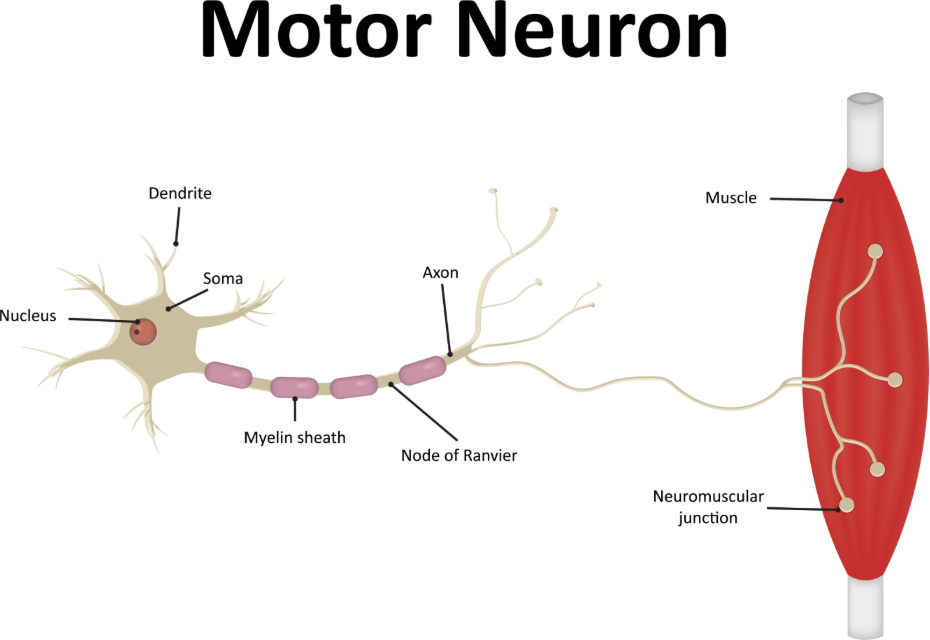
The damage caused by Motor Neurone Disease (MND) is a complex biological process that leads to the progressive failure and eventual death of the nerve cells responsible for movement. These cells, known as motor neurones, are some of the longest and most active cells in the human body, stretching from the brain or spinal cord all the way to the muscles. Because they have such high energy demands and complex structures, they are uniquely vulnerable to internal cellular stress. In MND, several distinct but related biological failures occur simultaneously, overwhelming the neurone natural repair mechanisms and causing it to lose its ability to transmit signals.
Understanding how this damage occurs is a primary focus of modern neurology. By identifying the specific ways in which the cell machinery breaks down, researchers can develop targeted therapies to slow or halt the progression of the disease. This article explores the microscopic events that lead to nerve degeneration, from the clumping of toxic proteins to the failure of the cell powerhouses.
What We’ll Discuss In This Article
- The role of protein aggregation and TDP 43
- Mitochondrial failure and the energy crisis in the neurone
- Glutamate excitotoxicity and chemical overstimulation
- Oxidative stress and the impact of free radicals
- Transport failures along the axon
- Emergency guidance for acute neurological changes
Protein Aggregation and TDP 43
One of the most significant ways MND damages neurones is through the buildup of toxic protein clumps, known as aggregates. In healthy cells, proteins are created, used, and then recycled. In nearly 97 percent of all MND cases, a specific protein called TDP 43 malfunctions.
Normally, TDP 43 stays within the nucleus of the cell, where it helps regulate genetic instructions. In MND, this protein leaves the nucleus and moves into the main body of the cell (the cytoplasm), where it sticks together to form clumps. These clumps are toxic to the neurone, disrupting its normal functions and preventing it from processing the proteins it needs to survive.
Mitochondrial Failure and Energy Crisis
Motor neurones require a vast amount of energy to send electrical impulses across long distances. This energy is produced by mitochondria, often referred to as the powerhouses of the cell.
In MND, these mitochondria become damaged and inefficient. They stop producing enough energy to sustain the neurone and begin to leak harmful substances. This leads to an energy crisis where the neurone can no longer maintain its electrical charge or perform basic repair tasks. As the energy supply fails, the connection between the nerve and the muscle begins to flicker and eventually dies out.
Glutamate Excitotoxicity
Nerve cells communicate with each other using chemical messengers called neurotransmitters. One of the most important messengers for movement is glutamate. After glutamate has delivered its message to a motor neurone, it is usually cleared away quickly.
In MND, this clearing process fails, causing glutamate to build up around the neurone. This leads to overstimulation, or excitotoxicity. The neurone is bombarded with so many signals that it becomes overwhelmed and exhausted, eventually leading to cell death. The medication Riluzole works specifically to reduce this glutamate buildup and protect the nerves from being worn out.
Oxidative Stress and Free Radicals
Oxidative stress occurs when there is an imbalance between the production of harmful molecules called free radicals and the body’s ability to neutralise them. Motor neurones are particularly sensitive to this type of damage.
As the neurone struggles with protein clumps and energy failure, it produces more free radicals, which attack the cell DNA, proteins, and outer membrane. This creates a vicious cycle of damage that accelerates the degeneration of the cell.
| Mechanism of Damage | Biological Impact |
| Protein Clumping | Blocks cellular transport and recycling |
| Mitochondria Failure | Causes a fatal energy shortage |
| Glutamate Buildup | Wears out the neurone through overstimulation |
| Oxidative Stress | Attacks the structural components of the cell |
Axonal Transport Failure
Because motor neurones are so long, they rely on a complex internal transport system to move nutrients and waste products between the cell body and the muscle connection. Imagine this as a railway system inside the nerve. In MND, the tracks of this railway (microtubules) become blocked or broken, preventing vital supplies from reaching the end of the nerve. This causes the end of the nerve to wither away, a process often described as dying back from the muscle.
Emergency Guidance
While cellular damage is a gradual process, it can lead to sudden clinical crises. Seek emergency care if you or someone you care for experience:
- A sudden and severe difficulty with breathing or a feeling of suffocation
- An acute episode of choking that cannot be cleared
- A sudden, profound loss of muscle strength resulting in a fall
- Rapid confusion or a sudden change in mental state
In these cases, call 999 or attend the nearest Accident and Emergency department immediately.
To Summarise
The damage caused by Motor Neurone Disease is the result of a biological perfect storm. The combination of protein clumping, energy failure, chemical overstimulation, and oxidative stress overwhelms the motor neurone, leading to its eventual death. By understanding these specific mechanisms, clinicians can better explain why certain treatments are used and why the disease progresses as it does. While the process is complex, the goal of modern research is to find ways to interrupt these cycles of damage and preserve the function of these vital nerve cells.
Can the damage to motor neurones be reversed?
Currently, once a motor neurone has died, it cannot be replaced or regrown. This is why early treatment aims to protect the remaining healthy neurones.
Does everyone with MND have the same cellular damage?
While the specific triggers may vary, the final pathways of damage, such as TDP 43 clumping and mitochondrial failure, are remarkably similar across most cases.
Is the damage the same in ALS and other types of MND?
Yes, the underlying biological mechanisms of nerve death are generally the same, although the location of the nerves affected first will differ.
How does Riluzole stop the damage?
Riluzole specifically targets glutamate excitotoxicity, reducing the overstimulation of the nerves to help them survive longer.
Can diet help reduce oxidative stress in MND?
While a healthy diet is important, there is currently no specific nutritional plan that can halt the cellular damage of MND on its own.
Why do only motor neurones get damaged?
This is a key mystery of the disease. It is thought that their extreme length and high energy needs make them more vulnerable to these specific biological stresses than other cells.
Is this damage related to inflammation? her cells.
Yes, as the motor neurones become damaged, they trigger an inflammatory response from support cells in the brain called microglia, which can unfortunately, further accelerate the damage.
Authority Snapshot
This article was reviewed by Dr. Rebecca Fernandez, a UK-trained physician with an MBBS and extensive experience in internal medicine, surgery, and psychiatry. Dr. Fernandez has managed critically ill patients in intensive care and stabilized acute trauma cases. Her expertise in integrating digital health solutions and providing evidence based psychological support ensures that this guide provides a medically accurate and holistic overview of how Motor Neurone Disease damages the nervous system.



