
In the clinical landscape of the United Kingdom, irregular eating patterns are recognized as one of the most common and avoidable triggers for migraine attacks. The migraine brain is characterized by a state of metabolic hypersensitivity, meaning it requires a consistent and steady supply of energy to maintain its neurological threshold. When you skip a meal, your blood glucose levels drop, triggering a series of physiological responses that can initiate the migraine inflammatory cascade. For many patients, maintaining a regular eating schedule is a foundational lifestyle intervention that can significantly reduce the frequency of their attacks.
As a physician with experience in internal medicine, emergency care, and psychiatry, I have observed that biological regularity is the best defence against a hyper-reactive nervous system. When the brain is energy-deprived, it enters a state of physiological stress, making it far more vulnerable to other environmental triggers. This article explores the clinical connection between meal timing and migraine prevention.
What We Will Discuss In This Article
- The Glucose Link: How low blood sugar triggers the brain
- Hypoglycaemia and Migraine: The chemical cascade of energy deprivation
- The Importance of Breakfast: Breaking the overnight fast safely
- Strategic Snacking: Maintaining metabolic stability throughout the day
- The Role of Complex Carbohydrates: Sustaining long-term energy
- Integrated Management: Utilizing digital tools and psychiatry for dietary habits
- Emergency Guidance: Identifying red flags in chronic headache management
The Glucose Link and Brain Metabolism
The brain is an incredibly energy-demanding organ, and glucose is its primary fuel source. Unlike other tissues in the body, the brain has very limited capacity to store energy. Consequently, it is entirely dependent on a continuous supply of glucose from the bloodstream.
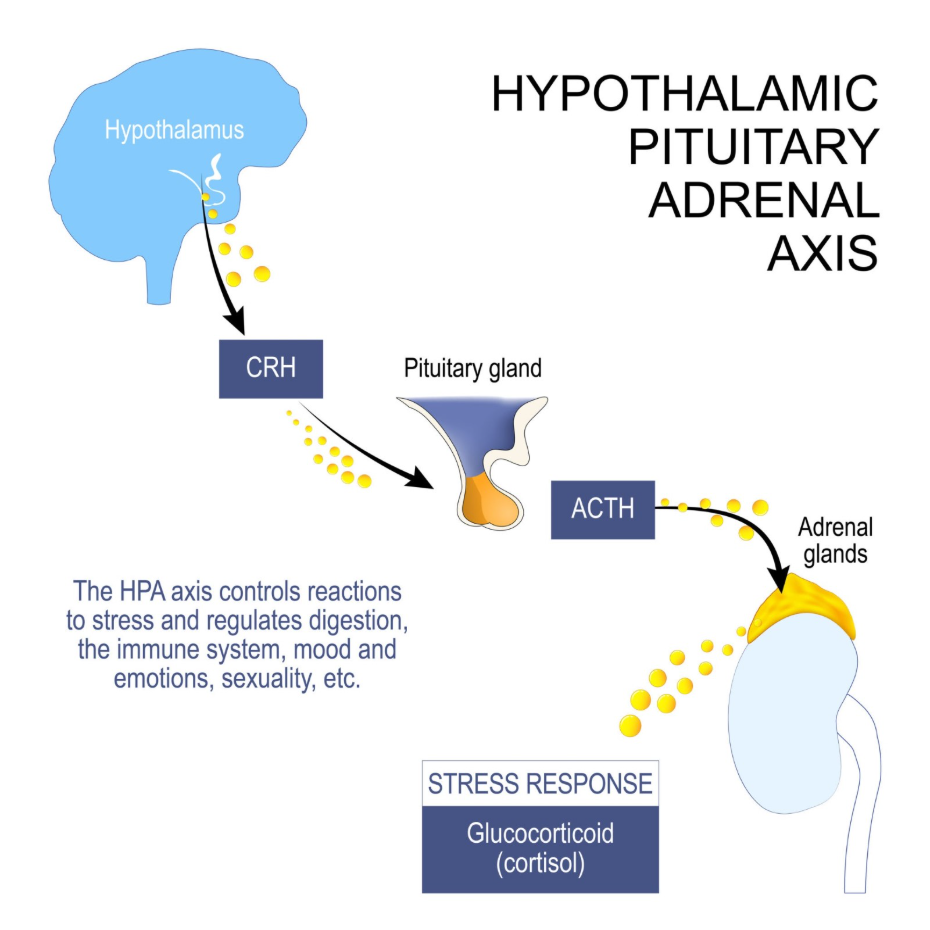
When you skip a meal, your blood sugar levels fall. In a non-migraineur, the body compensates smoothly. However, in those with a migraine-prone brain, this drop in glucose can be interpreted as a metabolic crisis. This triggers the hypothalamus, the part of the brain responsible for maintaining internal balance, to release stress hormones and activate pain pathways.
The Chemical Cascade of Hypoglycaemia
The process of low blood sugar triggering a migraine involves several physiological steps:
- Cortisol and Adrenaline Release: To raise blood sugar, the body releases these stress hormones, which can cause blood vessels to constrict and then dilate.
- Trigeminal Nerve Activation: The metabolic stress can irritate the trigeminal nerve, the main sensory pathway for head pain.
- Inflammatory Neuropeptides: This activation leads to the release of chemicals that cause inflammation and pain around the brain’s blood vessels.
The Importance of Regular Mealtimes
Consistency is the most important factor in nutritional prevention. In the UK, clinical advice emphasizes that you should aim to eat every three to four hours.
- Don’t Skip Breakfast: Your brain has already been fasting for eight to ten hours overnight. Extending this fast by skipping breakfast is a common trigger for mid-morning migraines.
- Complex Carbohydrates: Focus on foods with a low Glycaemic Index (GI), such as oats, whole grains, and legumes. These provide a slow and steady release of glucose, avoiding the spikes and crashes associated with sugary snacks.
- Protein Pairing: Including protein with every meal helps stabilize the absorption of carbohydrates, ensuring longer-lasting energy for the brain.
Integrating Psychiatry and Digital Health
Given my background in psychiatry and evidence-based therapies like CBT, I recognize that skipping meals is often a symptom of a high-stress lifestyle or a disordered relationship with food. Stress-induced loss of appetite can create a dangerous cycle where the lack of food triggers a migraine, which then causes further nausea and inability to eat.
I advocate for using digital health diaries to track your meal timing alongside your headache frequency. This objective data helps you see the direct correlation between a skipped lunch and a 4:00 PM migraine. Combining this with mindfulness-based approaches helps you stay attuned to your body’s early hunger signals, allowing you to refuel before your brain reaches the pain threshold.
Strategic Snacking for Prevention
For some, especially those with high-frequency migraines, a small snack before bed or between long gaps in meals can be very beneficial. A snack that combines a complex carbohydrate with a protein (like a small piece of whole-grain toast with peanut butter) can prevent the early morning glucose drops that often lead to waking up with a headache.
Emergency Guidance: Identifying Red Flags
While managing meal timing is part of routine prevention, some symptoms require immediate medical attention. Seek emergency care immediately if you experience:
- Thunderclap Onset: A sudden, severe headache that peaks within seconds.
- Severe Confusion: Difficulty speaking or understanding, which could indicate more than just a glucose drop.
- Neurological Deficits: Sudden weakness or numbness on one side of the body.
- Meningitis Signs: Severe headache with a high fever and a stiff neck.
- Signs of a Silent Heart Attack: Such as sudden profound nausea, weakness, and chest or jaw pressure alongside the head pain.
In these situations, call 999 or attend your nearest Accident and Emergency department immediately.
To Summarise
Avoiding skipping meals is an effective and evidence-based strategy for preventing migraines by maintaining stable blood glucose levels and reducing metabolic stress on the brain. In the UK, clinicians like Dr. Rebecca Fernandez emphasize that biological regularity, especially regarding nutrition and breakfast, is a cornerstone of headache management. By choosing complex carbohydrates, eating at regular intervals, and tracking your habits digitally, you can significantly lower your neurological vulnerability and improve your overall quality of life.
Can I use intermittent fasting if I have migraines?
Intermittent fasting is generally not recommended for migraine sufferers because the long periods of energy deprivation are a potent trigger for most people.
Does it matter what I eat, as long as I don’t skip a meal?
Yes. High-sugar foods can cause a rapid rise and then a sharp crash in blood sugar (reactive hypoglycaemia), which can trigger a migraine just as easily as skipping a meal.
Why do I get a migraine even if I only skip one meal?
The migraine brain is hypersensitive. Even a minor dip in energy supply that wouldn’t affect someone else can be enough to push your nervous system over its threshold.
Is coffee a good substitute for a missed meal?
No. Caffeine can temporarily mask hunger, but it doesn’t provide the glucose your brain needs, and it can further irritate the nervous system.
Authority Snapshot
This article was reviewed by Dr. Rebecca Fernandez, a UK-trained physician with an MBBS and extensive experience in internal medicine, emergency care, and psychiatry. Dr. Fernandez has managed critically ill patients and stabilized acute trauma in high-pressure clinical environments. Her expertise in integrating digital health solutions and evidence-based psychological therapies ensures that this guide to nutrition and migraine prevention is clinically precise and focused on holistic patient recovery.
