
Brain tumours can affect individuals of any age, although the incidence rates in the United Kingdom show distinct peaks in both childhood and later adulthood. While the overall risk of developing a primary brain tumour increases as a person gets older, these growths represent one of the most significant types of cancer affecting children and young people. In the UK healthcare system, clinicians categorise these tumours by their biological behaviour and the age of the patient to ensure that management is tailored to the specific needs of each group. Younger patients often present with different tumour types compared to older adults, necessitating specialised paediatric or adolescent oncology services. For the elderly, the rise in incidence is often attributed to the cumulative effect of genetic changes over time and improved diagnostic detection. Understanding the age-related distribution of these conditions is essential for public health awareness and clinical resource allocation. By following evidence-based data provided by national health registries and clinical guidelines, the UK provides a structured framework for identifying and managing these tumours across the entire lifespan.
What We’ll Discuss in This Article
- Incidence rates in older adults and the impact of an ageing population.
- The prevalence and types of brain tumours commonly found in children.
- How brain tumours affect young adults and adolescents in the UK.
- Gender-specific age trends and variations in tumour types.
- The role of secondary tumours in older age groups.
- UK clinical pathways for age-appropriate neurological care.
Primary Brain Tumours in Older Adults
The risk of being diagnosed with a primary brain tumour increases with age, with the highest incidence rates in the United Kingdom typically observed in people aged 75 and over. As cells age, the likelihood of spontaneous genetic mutations increases, which can lead to the abnormal cell division that forms a tumour. The NHS states that more than 12,000 people are diagnosed with a primary brain tumour in the UK each year, and many of these occur in older people.
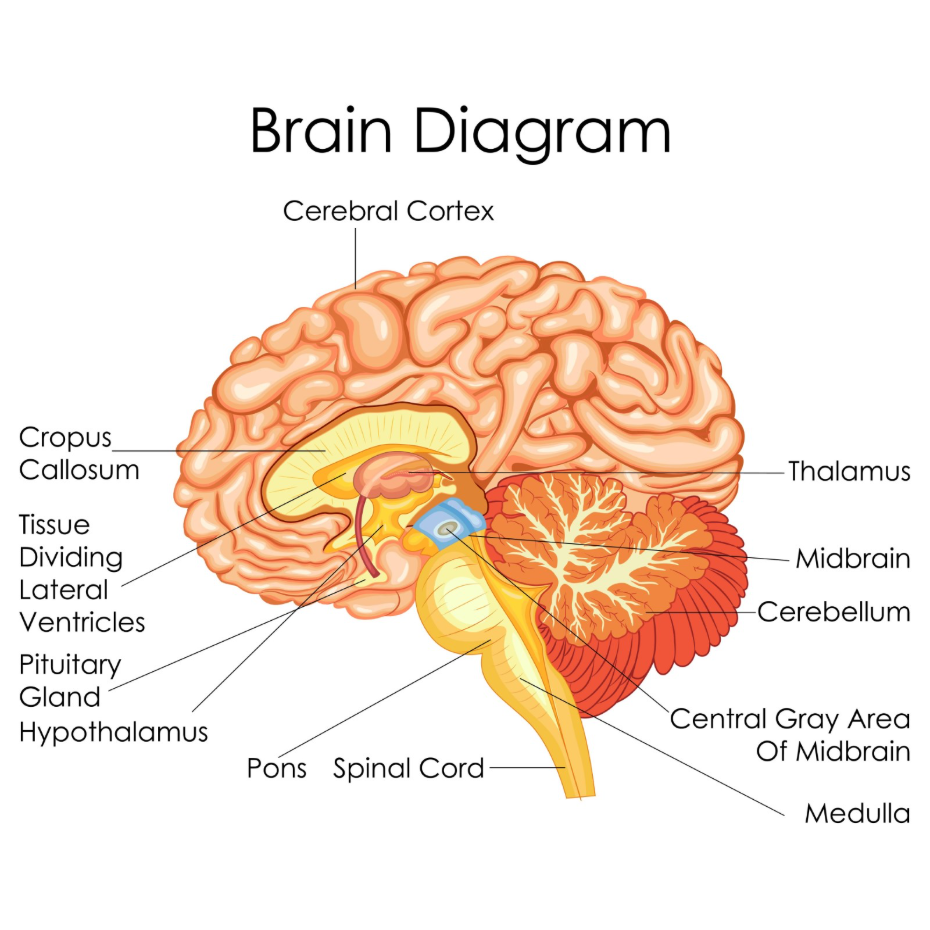
Statistics from national registries show that the incidence peaks between the ages of 85 and 89. In this demographic, more aggressive types of tumours, such as glioblastoma multiforme, are more frequently identified. Improved access to high-resolution MRI and CT scans within the NHS has also led to better detection of tumours in older patients who might previously have had their symptoms attributed to other age-related conditions. Management in this age group often focuses on balancing the benefits of intervention with the patient’s overall health and quality of life.
Brain Tumours in Children and Infants
Brain tumours are the most common solid tumour found in children in the United Kingdom, representing a significant portion of paediatric cancer cases. Unlike adult tumours, which are often related to lifestyle or environmental factors over time, childhood tumours are frequently linked to developmental cell changes during early growth. The NHS indicates that brain tumours are the second most common type of cancer in children in the UK, accounting for about one quarter of all childhood cancers.
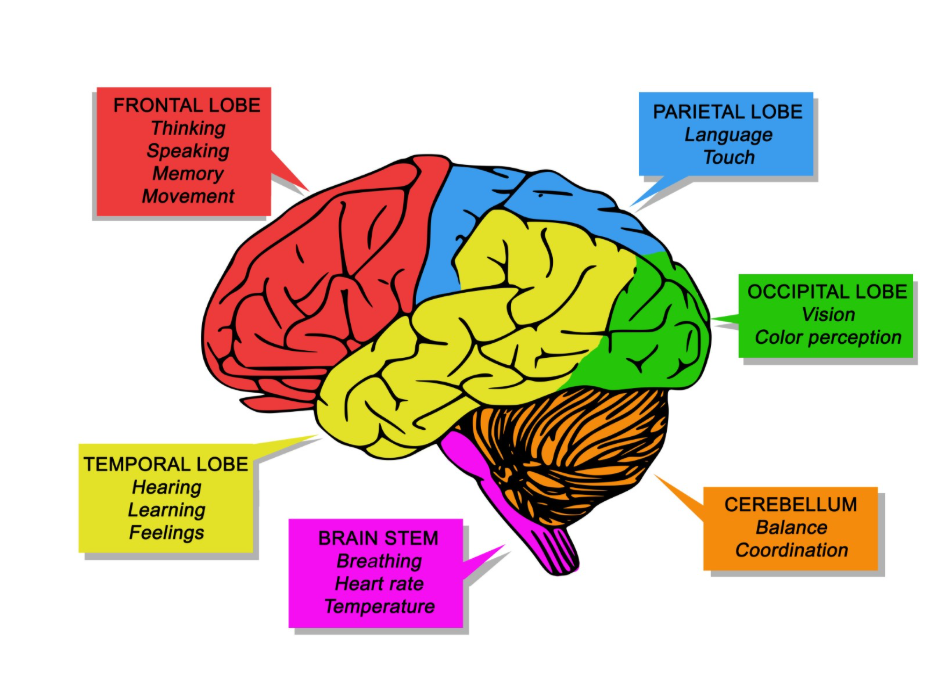
In infants and younger children, tumours are often located in the lower part of the brain, known as the posterior fossa, which controls balance and coordination. Common types include medulloblastomas and epindymomas. The UK provides highly specialised paediatric neuro-oncology centres to manage these cases, as the developing brain requires a different therapeutic approach than the adult brain. Survival rates for childhood brain tumours have improved significantly in recent decades due to targeted UK clinical research and multi-disciplinary care.
Adolescents and Young Adults
Adolescents and young adults, typically aged 15 to 24, represent a unique group where brain tumours are relatively uncommon but remain a leading cause of cancer-related illness. This age group often experiences a transition in the types of tumours diagnosed, moving from paediatric variants to those more typically seen in adults, such as low-grade gliomas.
| Age Group | Common Tumour Types | Clinical Focus |
| 0 to 14 years | Medulloblastoma, Astrocytoma. | Developmental impact and growth. |
| 15 to 24 years | Low-grade Glioma, Germ cell tumours. | Educational and social support. |
| 25 to 64 years | Meningioma, Glioma. | Vocational and family life. |
| 65+ years | Glioblastoma, Meningioma. | Comorbidities and quality of life. |
In the United Kingdom, teenagers and young adults are often managed in specialist Principal Treatment Centres that address the specific psychological and social needs of this age range. Because symptoms like headaches or changes in vision can sometimes be dismissed as stress or migraine in younger people, UK clinical guidelines emphasise the importance of thorough neurological assessment if symptoms persist. Early detection in this group is vital for preserving long-term cognitive function and quality of life.
Secondary Brain Tumours and Ageing
Secondary brain tumours, which occur when cancer spreads from another part of the body, are far more common in older adults than in younger populations. These metastases most frequently originate from primary cancers in the lungs, breasts, kidneys, or skin (melanoma), all of which have higher incidence rates as people age.
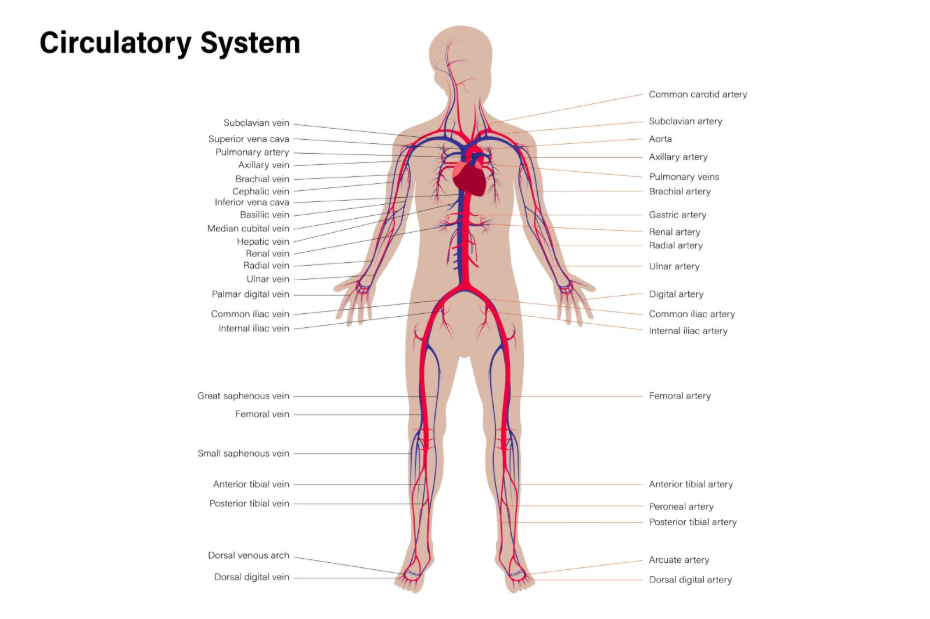
As UK cancer treatments improve and people live longer with primary cancers, the likelihood of developing secondary tumours in the brain increases. In the elderly, the clinical picture can be complex because they may already be managing multiple other health conditions. The GOV.UK health pages provide data and clinical profiles that show secondary brain tumours are a major cause of neurological symptoms in the older UK population. The management of these tumours usually involves collaboration between neurologists and the oncology team treating the original cancer, ensuring that care is integrated and appropriate for the patient’s age and overall fitness.
Gender and Age Variations
Incidence rates for brain tumours also vary between genders as people age, with certain tumour types showing a marked preference for either males or females. For example, meningiomas, which are typically slow-growing and often benign, are significantly more common in women, with the gap widening in middle and later life.
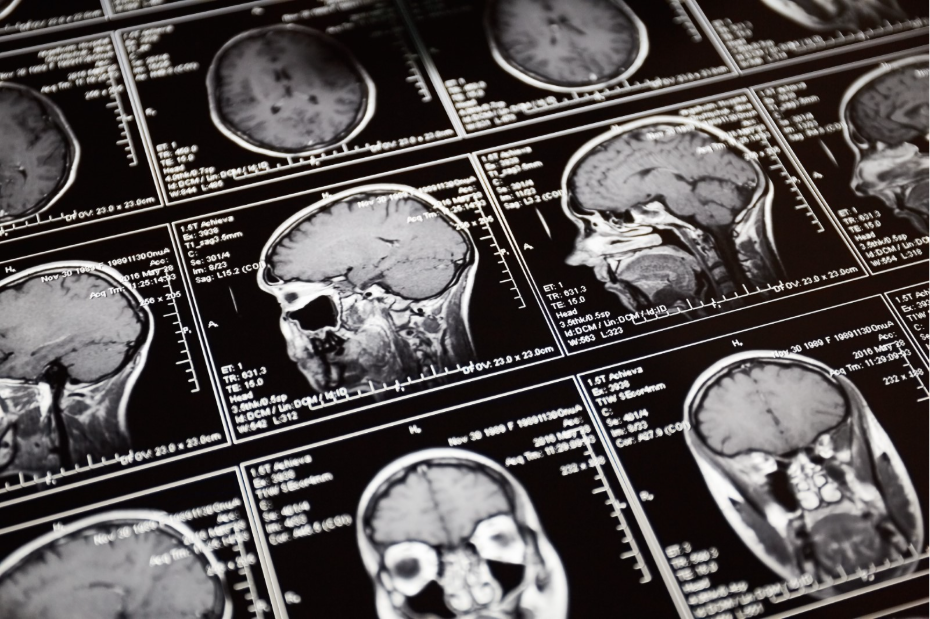
Conversely, malignant gliomas are more frequently diagnosed in men across most adult age groups. In the United Kingdom, research continues to investigate whether hormonal factors or occupational exposures contribute to these variations. NICE clinical guidelines for brain tumours indicate that age and gender are important factors when assessing the risk and determining the speed of the diagnostic pathway. These demographic trends help the NHS plan its diagnostic services, ensuring that specialists are prepared for the most likely tumour types based on the patient’s age and profile.
UK Clinical Pathways for Different Life Stages
The United Kingdom utilises age-specific clinical pathways to ensure that every patient receives care that is appropriate for their stage of life. This includes everything from the 28-day faster diagnosis standard to long-term rehabilitation services. For children, the focus is on achieving a cure while minimising the impact on the developing brain. For working-age adults, the emphasis often includes vocational rehabilitation to help them return to employment.
For the elderly, the UK pathway includes:
- Comprehensive Geriatric Assessment: Evaluating overall health to determine the safety of surgery or other treatments.
- Symptom Management: Prioritising the relief of headaches, seizures, and cognitive changes.
- Supportive Care: Coordinating with community services to support independence at home.
Regardless of age, the core of the UK approach is the Multidisciplinary Team (MDT). This group of specialists ensures that the management plan is tailored to the biological behaviour of the tumour and the functional needs of the patient. This integrated system ensures that the UK remains at the forefront of providing age-appropriate care for all individuals affected by brain tumours.
Conclusion
Brain tumours affect individuals across all age groups, with distinct peaks in childhood and later life. While older adults are most frequently diagnosed with both primary and secondary tumours, these growths remain a significant health challenge for children and young people in the UK. The types of tumours and their management strategies vary significantly depending on the age of the patient. National health guidelines ensure that age-appropriate specialist care is available across the NHS. Consistent monitoring and early investigation of neurological symptoms remain vital at every stage of life. If you experience severe, sudden, or worsening symptoms, call 999 immediately.
Are brain tumours in children the same as those in adults?
No; the biological makeup and types of tumours found in children are often different from those that develop in the adult brain.
Why are brain tumours more common in older people?
Increased age allows more time for genetic mutations to accumulate in cells, which can eventually lead to abnormal growth.
Can a baby be born with a brain tumour?
Congenital brain tumours are extremely rare, but they can occur and are managed by neonatal specialist teams in the UK.
Is the survival rate different for different age groups?
Generally, survival rates are higher in children and younger adults compared to older adults, though this depends heavily on the tumour type.
Do young adults get different symptoms than older people?
The symptoms depend on the tumour’s location, but younger people might report issues with school or sports performance, while older adults may notice memory changes.
Are certain age groups screened for brain tumours in the UK?
There is no routine population-wide screening for brain tumours; instead, the UK focuses on the rapid investigation of symptomatic patients.
Can I still work if I am diagnosed with a brain tumour in my 40s?
Many people can return to work, and the UK offers vocational rehabilitation to help patients manage any changes in their abilities.
Authority Snapshot (E-E-A-T)
This article provides medically factual health education regarding the age groups affected by brain tumours, strictly aligned with NHS and NICE clinical guidelines. The content is developed by a professional medical writing team and reviewed by Dr. Stefan Petrov, a UK-trained physician with experience in emergency care, surgery, and clinical education. All information follows current UK public health protocols to ensure clinical accuracy and patient safety.
