
Cerebral palsy can affect vision because the original brain injury can damage the pathways that transmit and process visual information or disrupt the control of the muscles that move the eyes. In the United Kingdom, visual impairments are recognised as a common associated feature of the condition, requiring integrated care from ophthalmologists and neurologists. While the underlying neurological injury is static, its impact on sight can influence a child’s overall development and functional independence.
What We’ll Discuss in This Article
- The neurological link between brain injury and visual processing.
- Common eye movement disorders such as strabismus and nystagmus.
- Understanding Cerebral Visual Impairment (CVI) and its effects.
- Refractive errors and their prevalence in individuals with cerebral palsy.
- Integrated NHS monitoring and specialist ophthalmology reviews.
- Support strategies for managing visual challenges in daily life.
Neurological Impact on Visual Processing and Sight
Cerebral palsy affects vision primarily because the damage to the developing brain often involves the areas responsible for processing visual signals or coordinating eye movements. Even if the eyes themselves are healthy, the brain may struggle to interpret the information it receives, leading to a variety of sight related challenges. The NHS states that many people with cerebral palsy also have problems with their vision, such as a squint or difficulty seeing things clearly.
In the United Kingdom, clinicians explain that the nature of the visual impairment depends on which part of the brain sustained the injury. For example, damage to the visual cortex at the back of the brain can result in difficulties recognising objects or navigating environments. This is a motor-related issue when the nerves controlling the eye muscles are affected, making it hard for the eyes to work together or follow a moving target. The NHS provides structured screenings for all children with a diagnosis of cerebral palsy to identify these issues early. By understanding the neurological origin of the visual challenge, the multidisciplinary team can provide targeted support to help the individual navigate their surroundings safely. Early intervention is prioritised to ensure that visual difficulties do not hinder the child’s ability to engage with therapy and education.
Eye Movement Disorders: Strabismus and Nystagmus
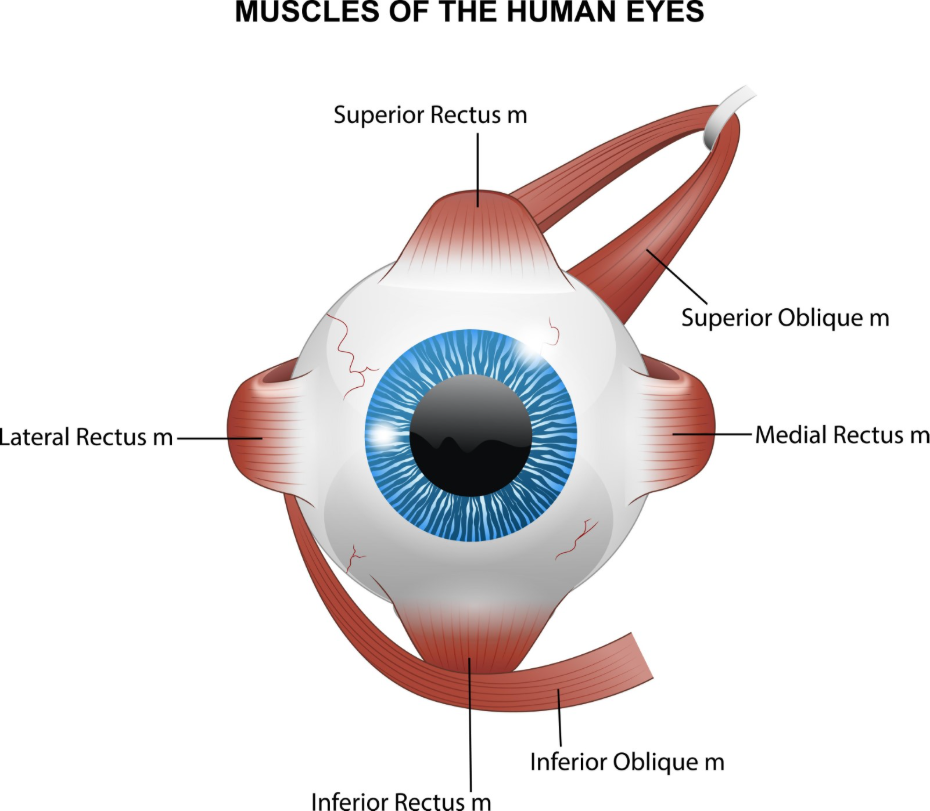
Eye movement disorders are common in individuals with cerebral palsy because the condition affects the fine motor control of the six muscles that move each eye. This lack of coordination can lead to eyes that are misaligned or eyes that move involuntarily, impacting the ability to focus on a single point. NICE clinical guidelines for cerebral palsy indicate that children should be screened for strabismus and other ocular motility issues as part of their routine neurological care.
| Condition Type | Physical Characteristics | Impact on Vision in the UK |
| Strabismus (Squint) | Eyes point in different directions. | May lead to double vision or a “lazy eye.” |
| Nystagmus | Involuntary, repetitive eye shaking. | Difficulty focusing and reduced clarity. |
| Gaze Palsy | Inability to move eyes in a direction. | Challenges with scanning or reading. |
| Poor Tracking | Difficulty following moving objects. | Impact on hand-eye coordination and play. |
In the United Kingdom, strabismus is often managed through the use of glasses, eye patches, or, in some cases, corrective surgery to balance the eye muscles. Nystagmus can make it difficult for the person to keep their vision steady, often leading them to adopt a specific “null point” or head tilt where the shaking is less severe. The NHS provides access to specialist orthoptists who monitor these movements and recommend exercises to improve eye alignment. Managing these motor-based visual issues is essential for helping the individual develop better spatial awareness and coordination. By addressing these challenges early, the healthcare team aims to maximize the individual’s functional sight and reduce the physical strain associated with trying to focus.
Understanding Cerebral Visual Impairment (CVI)
Cerebral Visual Impairment (CVI) occurs when the brain cannot properly process and make sense of the images sent from the eyes, even if the eyes themselves are physically perfect. In the United Kingdom, CVI is increasingly recognised as a significant cause of visual dysfunction in children with cerebral palsy, particularly those who experienced a lack of oxygen or premature birth.
Symptoms of CVI in the UK include:
- Visual Overload: Becoming distressed or confused in busy or crowded environments.
- Recognition Issues: Difficulty identifying familiar faces or common objects.
- Visual Field Gaps: Missing objects in certain parts of their vision, often the lower field.
- Distance Perception: Struggling to judge the depth of stairs or kerbs.
- Colour Preference: Showing a strong preference for looking at objects of a specific bright colour.
In the UK, specialist teachers of the visually impaired (QTVI) work alongside the NHS to help families and schools adapt to CVI. Unlike standard sight issues, CVI cannot be corrected with glasses alone; it requires environmental adaptations, such as reducing clutter and using high-contrast materials. Understanding a person’s specific visual “map” is essential for supporting their independence. The NHS provides detailed functional visual assessments to identify which aspects of processing are most affected. By tailoring the environment to the individual’s neurological needs, the support team ensures the person can use their remaining vision as effectively as possible.
Refractive Errors and Prescribing Glasses
Refractive errors, such as long-sightedness, short-sightedness, and astigmatism, are more prevalent in individuals with cerebral palsy than in the general population. These issues occur when the shape of the eye prevents light from focusing correctly on the retina, resulting in blurred vision at various distances. The GOV.UK health pages provide clinical profiles indicating that regular ophthalmic reviews are essential for managing the high rate of refractive errors in patients with neurological disabilities.
In the United Kingdom, identifying refractive errors in individuals with communication or motor challenges requires specialist techniques. Optometrists may use “retinoscopy,” which allows them to determine the correct lens power without the patient needing to speak or read a letter chart. Providing the correct glasses is a priority for the NHS, as clear vision is a foundation for learning and physical therapy. For many individuals with cerebral palsy, wearing glasses can significantly reduce the effort needed to see, which in turn reduces overall fatigue. The multidisciplinary team ensures that the frames are well-fitted and comfortable, often recommending head straps for those with involuntary movements. Consistent use of corrective lenses helps to prevent secondary issues such as amblyopia (lazy eye), ensuring the brain receives the clearest possible signals during its developmental years.
Integrated NHS Monitoring and Specialist Support
The United Kingdom provides a comprehensive framework of integrated support to monitor the visual health of individuals with cerebral palsy through regular specialist reviews. This coordinated effort ensures that any changes in sight or eye movement are addressed promptly by the relevant clinical experts.
The UK support framework involves:
- Ophthalmologists: Medical doctors who diagnose and treat complex eye conditions and perform surgery.
- Orthoptists: Specialists in eye movement, squints, and how the eyes work together.
- Optometrists: Professionals who test sight and prescribe glasses and contact lenses.
- QTVIs: Specialist teachers who provide educational support for children with visual impairments.
This integrated approach ensures that the management plan is consistent across home, school, and clinical settings. In the UK, visual assessments are often timed to coincide with other neurodevelopmental reviews. The healthcare system also provides transition services to help young people move from paediatric eye clinics to adult ophthalmology services. By utilising this comprehensive safety net, the NHS aims to empower every person with cerebral palsy to achieve their full visual potential. Regular communication between the eye team and the physical therapists ensures that visual aids are integrated into the person’s overall rehabilitation programme.
Conclusion
Cerebral palsy can affect vision through eye movement disorders like strabismus or through complex processing issues known as Cerebral Visual Impairment (CVI). In the UK, the NHS manages these challenges through integrated teams of ophthalmologists and orthoptists to ensure both the physical eye and the brain’s processing are supported. While refractive errors are common and can be corrected with glasses, CVI requires specific environmental adaptations to help the individual navigate their world. Following a structured multidisciplinary care plan ensures that visual needs are addressed alongside motor and communication goals. The UK healthcare system provides a life-long framework of support for these neurological visual challenges. If you experience severe, sudden, or worsening symptoms, call 999 immediately.
Does every child with cerebral palsy need to wear glasses?
No; however, refractive errors are more common, so every child should have a specialist eye test to determine if glasses are necessary.
Can a “squint” be fixed if it is caused by cerebral palsy?
Yes; in the UK, squints can often be managed with glasses, patching, or surgery to help the eyes work together more effectively.
Why does my child struggle to find toys in a toy box?
This can be a sign of Cerebral Visual Impairment (CVI), where the brain struggles to pick out a single object from a busy background.
Will my child grow out of their visual impairment?
The underlying brain injury is static, but children can learn compensatory strategies and their functional use of vision often improves with the right support.
How often should someone with cerebral palsy have an eye test in the UK?
Standard UK practice often recommends an annual specialist review, though this may be more frequent if the person has specific eye movement issues.
Can vision problems affect a child’s ability to walk?
Yes; vision is essential for balance and depth perception, so managing sight is a vital part of supporting mobility and physical therapy.
What is a QTVI?
In the UK, a QTVI is a Qualified Teacher of the Visually Impaired who provides specialist advice on adapting the school environment for children with sight loss.
Authority Snapshot (E-E-A-T)
This article provides medically factual health education regarding how cerebral palsy affects vision, strictly aligned with NHS and NICE clinical guidelines. The content is developed by a professional medical writing team and reviewed by Dr. Rebecca Fernandez, a UK-trained physician with experience in general surgery, cardiology, and emergency medicine. All information follows current UK public health protocols to ensure clinical accuracy and patient safety.
