
Developmental delay describes a situation where a child does not reach significant physical, cognitive, or social milestones within the expected age range compared to their peers. In the United Kingdom, the NHS monitors childhood progress through a structured framework of health visitor reviews and GP assessments to ensure early identification of these lags. While some children catch up with targeted support, others may require an integrated multidisciplinary management plan.
What We’ll Discuss in This Article
- The distinction between global developmental delay and specific delays.
- Identifying physical and gross motor development red flags.
- Recognising challenges in speech, language, and communication.
- The role of cognitive and social emotional developmental markers.
- How the NHS diagnostic pathway and specialist assessments work.
- Integrated support systems and early intervention in the United Kingdom.
Defining Developmental Delay and Global Delay
Developmental delay occurs when a child takes longer to achieve skills such as walking, talking, or interacting with others, and it is classified as global developmental delay when significant lags exist in two or more areas. This term is often used by UK clinicians for children under the age of five to describe an overall slower rate of progress. The NHS states that a developmental delay is when a child is significantly behind in reaching milestones like sitting up, walking or talking.
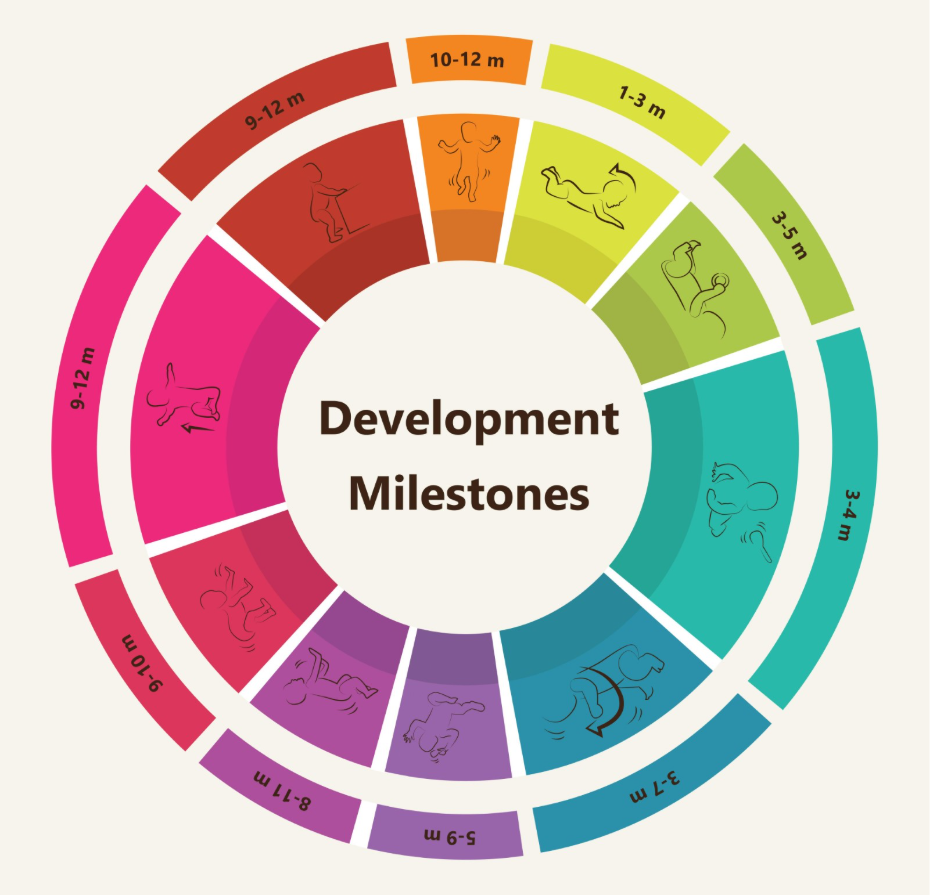
It is important to understand that developmental delay is not a specific diagnosis or disease itself but rather a clinical observation that warrants further investigation. In the United Kingdom, some delays may be temporary, potentially caused by factors such as premature birth or a lack of stimulation, whereas others might be the first sign of an underlying long-term condition. Paediatricians use this classification to initiate a pathway of care that focuses on the child’s specific needs. By monitoring the child over time, healthcare professionals can determine if the delay is a transient phase or part of a more complex neurological profile. This structured approach allows the NHS to provide a safety net for families, ensuring that every child has the opportunity to achieve their functional potential through appropriate clinical monitoring.
Physical and Gross Motor Developmental Delays
Physical developmental delay refers to challenges in achieving gross motor skills, such as head control, sitting independently, or walking, which form the foundation for a child’s mobility and strength. These delays are often the most visible early indicators that a child may require a specialist paediatric review to assess their muscle tone and coordination. NICE clinical guidelines indicate that persistent motor delays or unusual muscle patterns should prompt a referral for a specialist neurological assessment.
| Motor Area | Key Milestone Red Flags in the UK | Potential Clinical Significance |
| Head Control | Unable to hold head up by 4 months. | Suggests core muscle weakness. |
| Sitting | Not sitting without support by 8 months. | May indicate trunk instability. |
| Crawling/Cruising | No independent movement by 12 months. | Indicates delays in limb coordination. |
| Walking | Not walking independently by 18 months. | Requires a formal gait assessment. |
In the United Kingdom, health visitors use the Personal Child Health Record to document these milestones during routine checks. If a child is consistently falling behind, they may be referred to a paediatric physiotherapist for a detailed review. These specialists look for signs such as hypertonia or hypotonia, which affect how the body moves and maintains posture. Early intervention focuses on providing exercises that encourage the child to meet these physical targets. By addressing motor delays promptly, the healthcare system aims to support the child’s physical independence and prevent secondary musculoskeletal issues. This integrated physical support is a vital component of the long-term management framework for children with identified movement challenges.
Speech, Language, and Communication Delays
Speech and language delay occurs when a child struggles to produce clear sounds (speech) or has difficulty understanding and using words to express their needs (language). Communication is a complex process that involves the coordination of facial muscles, hearing, and the brain’s ability to process information. The GOV.UK health pages provide clinical profiles indicating that early identification of communication delays is a priority for ensuring integrated educational and social support.
In the United Kingdom, speech and language therapists (SLTs) work with children who are “late talkers” or those who have difficulty following simple instructions. They assess if the delay is related to a physical issue, such as hearing loss or a cleft palate, or if it is a developmental language disorder. For children with motor conditions, the delay may be due to the difficulty of controlling the muscles in the mouth and throat. The NHS provides strategies such as symbol boards or play-based language activities to encourage communication. Supporting a child’s ability to express themselves is essential for reducing frustration and fostering social interaction. This holistic view of communication ensures that children receive the tools they need to engage with their peers and succeed in an educational environment.
Cognitive and Social Emotional Developmental Markers
Cognitive delay affects a child’s ability to learn, think, and solve problems, while social-emotional delay impacts how they interact with others and manage their feelings. These areas of development are closely linked and influence how a child explores their world and builds relationships with family and peers.
Common cognitive and social indicators in the UK include:
- Problem Solving: Difficulty understanding cause and effect, such as shaking a rattle to make a noise.
- Learning: Taking significantly longer to learn new skills or follow two-step directions.
- Social Interaction: Lack of interest in playing with others or making consistent eye contact.
- Emotional Regulation: Unusual difficulty in coping with changes to routine or transitions.
- Symbolic Play: Absence of “pretend play” by the age of two or three.
In the United Kingdom, an educational psychologist or a specialist paediatrician may assess these markers through observation and standardised tests. If a child is lagging in these areas, they may require an Education, Health and Care (EHC) plan to secure additional support in nursery or school. The NHS and local authorities work together to provide play therapy and social skills groups to help children navigate these challenges. By identifying cognitive and social lags early, the UK support system can implement strategies that encourage the child’s curiosity and social confidence. This coordinated approach acknowledges that development is not just physical but encompasses a wide range of mental and emotional skills.
The NHS Diagnostic Pathway and Specialist Assessment
The diagnostic pathway for developmental delay in the United Kingdom is a coordinated process that begins in primary care and moves toward specialist investigations to find an underlying cause. This journey ensures that the child’s needs are assessed by various medical and therapy experts within a multidisciplinary framework.
The UK integrated diagnostic pathway involves:
- Initial Screening: Health visitors and GPs identify concerns during routine developmental reviews.
- Paediatric Referral: A specialist doctor conducts a full medical and neurological examination.
- Audiology and Vision Tests: Ensuring that sensory impairments are not the primary cause of the delay.
- Genetic and Metabolic Testing: Investigating if an underlying biological condition is involved.
- Brain Imaging: Using MRI scans in specific cases to look for structural brain changes.
In the UK, this process often takes place within a Child Development Centre. The specialists work together to build a complete picture of the child’s health, ensuring that no treatable condition is missed. Throughout this process, the focus remains on supporting the child’s current needs through therapy, even before a final diagnosis is reached. The NHS provides a consistent point of contact, such as a specialist nurse or lead paediatrician, to guide the family through these investigations. This professional safety net is designed to provide clarity and reassurance while ensuring that the child receives the highest standard of evidence-based care.
Integrated Support and Early Intervention
Integrated support and early intervention are the cornerstones of managing developmental delay in the United Kingdom, focusing on providing therapy during the first few years of life when the brain is most adaptable. This multidisciplinary effort involves healthcare, education, and social services working together to support the child and their family.
The UK integrated support framework includes:
- Physiotherapy and Occupational Therapy: Focusing on physical mobility and daily living skills.
- Speech and Language Therapy: Supporting communication and safe feeding techniques.
- Educational Support: Providing extra help in early years settings and through EHC plans.
- Financial Assistance: Helping families access disability benefits like DLA to cover extra care costs.
In the United Kingdom, the goal of early intervention is to minimise the impact of the delay on the child’s future independence. For example, a child might receive “portage” services, which involve home-based educational support for pre-schoolers with additional needs. The NHS also coordinates with local authorities to ensure that home adaptations or specialist equipment are provided where necessary. By utilising these integrated pathways, the healthcare system provides a life-long framework of support that evolves as the child grows. This coordinated effort ensures that every child, regardless of the complexity of their delay, is supported in achieving the best possible quality of life.
Conclusion
Developmental delay describes a lag in reaching physical, cognitive, or communication milestones, which in the UK is monitored through the NHS health visitor and GP system. While global developmental delay involves multiple areas of progress, specific delays might only affect one area such as motor skills or speech. Identifying these challenges early allows for the implementation of integrated therapy and specialist support during the critical early years of childhood. Following a coordinated management plan with a multidisciplinary team ensures that the child’s developmental journey is supported holistically. The UK healthcare system provides a life-long framework of support for children and their families.
Does a developmental delay mean my child has a disability?
Not necessarily; it means they are meeting milestones later than expected, and some children catch up with the right support.
How is developmental delay different from autism?
Developmental delay is a general term for being behind in milestones, whereas autism is a specific neurodevelopmental condition affecting social communication.
Can a child outgrow a developmental delay?
Yes; many children in the UK who receive early intervention therapy catch up with their peers by the time they start school.
Why does the doctor want to check my child’s hearing?
Hearing problems are a common cause of speech and language delay, so the NHS always rules this out first.
What is an EHC plan?
An Education, Health and Care plan is a legal document in the UK that secures specific support for a child’s learning and health needs.
Is there a blood test for developmental delay?
While there is no single test, the NHS may use blood tests to look for genetic or metabolic conditions that could cause delays.
Who is the best person to talk to if I am worried?
In the United Kingdom, your health visitor or GP is the first point of contact for a developmental review.
Authority Snapshot (E-E-A-T)
This article provides medically factual health education regarding developmental delay, strictly aligned with NHS and NICE clinical guidelines. The content is developed by a professional medical writing team and reviewed by Dr. Stefan Petrov, a UK-trained physician with experience in general medicine, surgery, and emergency care. All information follows current UK public health protocols to ensure clinical accuracy and patient safety.
