




Parenting strategies for raising neurodiverse children focus on creating structured environments, managing sensory needs, and utilising positive communication techniques to support a child’s unique developmental profile. In the United Kingdom, healthcare professionals and educational specialists emphasise that these strategies should be tailored to the child’s specific neurological processing style rather than relying on traditional disciplinary methods. By understanding the biological drivers of behaviour in ADHD and autism, parents can implement proactive adjustments that foster emotional regulation and functional independence. Accessing integrated support through the NHS ensures that these parenting approaches are grounded in clinical evidence and aligned with national health standards. This professional framework provides a stable foundation for families to navigate the complexities of neurodevelopmental growth while promoting long-term wellbeing and self-esteem for the child within a supportive home and school environment.
What We’ll Discuss in This Article
- The biological importance of structure and predictability in the home.
- Implementing positive communication strategies for neurodiverse children.
- Managing sensory processing differences through environmental adjustments.
- Supporting executive function and task initiation in daily routines.
- The role of collaborative problem-solving in reducing conflict.
- Accessing integrated NHS multidisciplinary support and parent training.
The Role of Structure and Predictability
Structured routines and high levels of predictability are fundamental parenting strategies because they reduce the anxiety and cognitive load often experienced by children with autism or ADHD. In the United Kingdom, specialists recommend that families establish clear daily frameworks to help children understand what to expect, which supports emotional regulation and reduces the frequency of meltdowns. The NHS states that being neurodivergent means your brain works, learns and processes information differently from other people.
Visual timetables and “now and next” boards are effective tools for making time and transitions tangible for a neurodivergent child. In the UK, this professional framework provides a stable foundation for the parenting journey by identifying that predictability is a proactive intervention rather than just a convenience. By utilised these integrated pathways, the healthcare system ensures that every family’s profile is supported through practical, evidence-based understanding. This coordinated effort between primary care and specialists provides a secure environment for building childhood confidence.
Positive Communication and Visual Supports
Effective communication strategies for neurodiverse children involve using literal language, visual aids, and clear instructions to bypass challenges in auditory processing and social interpretation. In the United Kingdom, speech and language therapists work with parents to adapt their communication style to match the child’s specific cognitive profile. NICE clinical guidelines for autism indicate that early interventions should focus on improving social communication and managing the impact of core traits on daily life.
| Communication Strategy | Typical Parenting Approach | Neuro-Inclusive Approach |
| Giving Instructions | Long, multi-step verbal requests. | Single-step, direct, and visual prompts. |
| Language Use | Relying on metaphors and idioms. | Using literal and precise language. |
| Wait Time | Expecting an immediate response. | Allowing ten seconds for processing time. |
| Feedback | Focus on corrective discipline. | Emphasising specific, positive reinforcement. |
In the UK, these strategies are managed through integrated care plans that prioritise a person-centred approach. Identifying that a child’s “non-compliance” may actually be a difficulty in processing a complex instruction allows for more targeted support. This professional oversight is essential for providing a safe and accurate understanding of the child’s functional capability. By building a robust evidence base through clinical review, the multidisciplinary team can provide more effective strategies for long-term family harmony.
Managing Sensory Processing Needs
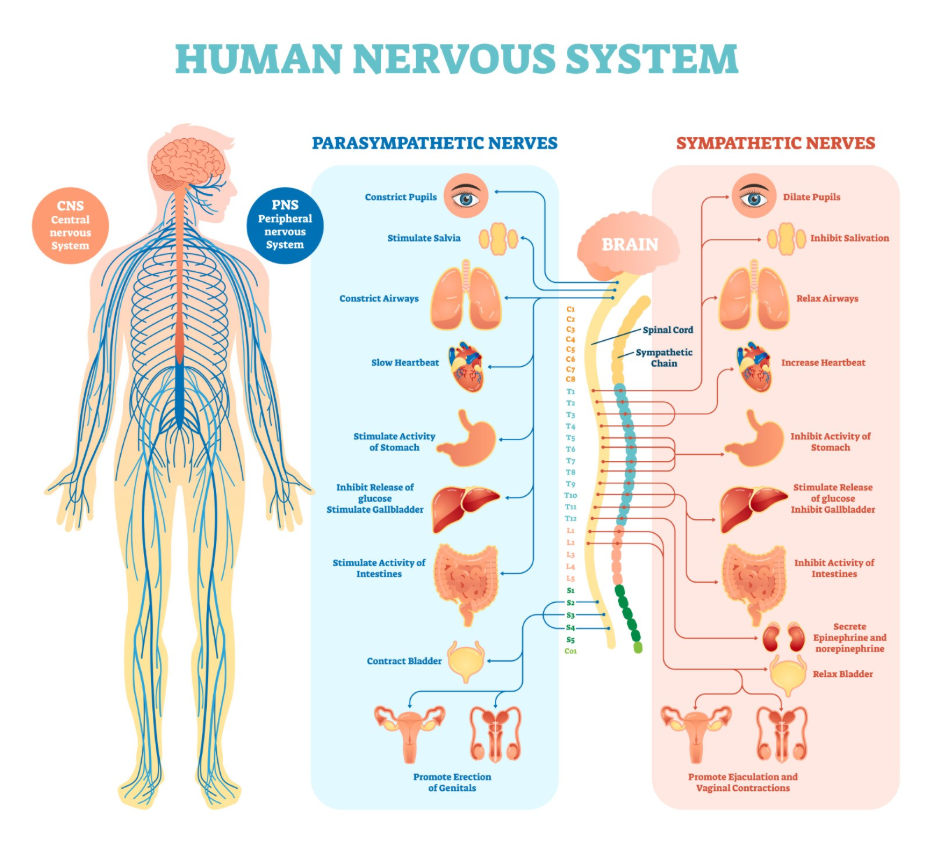
Parenting a neurodiverse child requires identifying and managing their specific sensory triggers to prevent the nervous system from becoming overwhelmed, which is a common cause of distress in autism. In the United Kingdom, occupational therapists work with families to conduct “sensory audits” of the home, identifying factors like flickering lights, loud appliances, or certain clothing textures that may be causing physical pain or irritation. The GOV.UK health pages provide clinical profiles indicating that the monitoring of social and cognitive challenges is a priority for ensuring integrated support.
Managing sensory needs involves:
- Environmental Adjustments: Creating a “quiet zone” with low lighting and soft furnishings for regulation.
- Proprioceptive Input: Utilising weighted blankets or “heavy work” activities like jumping to help ground the child.
- Auditory Support: Providing noise-cancelling headphones for busy environments or sudden loud noises.
- Tactile Choices: Selecting seamless clothing and removing tags to reduce constant skin irritation.
- Scent Sensitivity: Avoiding strong cleaning products or perfumes that can be overwhelming.
In the UK, the focus is on providing a stable foundation where the environment adapts to the child’s sensory profile. Identifying these underlying drivers allows for more targeted help that addresses the biological cause of sensory distress. By utilised these professional frameworks, the UK system provides a life-long framework of support that evolves as the child matures. This approach acknowledges that sensory comfort is a prerequisite for successful learning and emotional health.
Supporting Executive Function in Daily Life
Strategies to support executive function focus on helping children with ADHD or autism manage tasks like getting dressed, completing homework, or tidying up by breaking them into manageable, visual steps. In the United Kingdom, specialists emphasise that these challenges are rooted in the brain’s “command centre” and require external supports to bridge functional gaps.
Commonly utilised strategies in the UK include:
- Task Chunking: Breaking one large task into three or four smaller, numbered steps.
- Visual Timers: Using clocks that show the “disappearing” time to help with time blindness.
- Body Doubling: Sitting with the child while they work to provide a calming, grounding presence.
- External Alarms: Using digital alerts to signal transitions between activities.
- Consistency: Keeping essential items like school bags in the same “launch pad” area every day.
In the UK, the focus is on providing a stable foundation where the child can manage their daily demands successfully. Identifying these indicators early is vital for preventing the cognitive exhaustion often referred to as neurodivergent burnout. By utilised these professional frameworks, the healthcare and educational systems provide a secure environment for building childhood independence. These strategies aim to work with the child’s brain rather than against it.
Collaborative Problem-Solving
Collaborative problem-solving is a strategy that involves working with the child to identify the “unsolved problems” behind challenging behaviours, rather than relying on traditional rewards and punishments. In the United Kingdom, this approach is valued for fostering a child’s self-advocacy skills and ensuring that management plans address the actual cause of a difficulty.
By involving the child in finding a solution, such as a different way to handle a noisy classroom, parents can ensure the strategy is effective and respected. In the UK, this integrated care model ensures that the child’s emotional potential is supported. This professional oversight is essential for providing a safe and accurate understanding of the child’s emotional health. By acknowledged these biological and social differences, the system provides a more supportive framework for managing the child’s unique profile safely. This approach encourages the child to understand their own needs as they grow.
Accessing Integrated NHS Support Pathways
The pathway for developing parenting strategies in the United Kingdom is a coordinated process involving GPs, paediatricians, and specialist multidisciplinary teams. This journey ensures that every family receives a thorough review of the child’s history and current environment to build a bespoke management plan that includes parent training and peer support.
The UK integrated support pathway involves:
- Initial GP Consultation: Discussing developmental concerns and the impact of traits on home life.
- Specialist Referral: Accessing a paediatrician or clinical psychologist for a formal neurodevelopmental review.
- Parenting Programmes: Participating in NHS-approved workshops like EarlyBird or Cygnet for autism.
- Integrated Care Planning: Co-ordinating support between the health service, the family, and the school.
- Regular Monitoring: Scheduled reviews to ensure that home strategies remain effective as the child grows.
In the UK, the focus is on providing a stable foundation for the family to move forward with self-understanding. The NHS ensures that families have a consistent point of contact for their health needs while they navigate their child’s development. This integrated approach ensures that the child’s unique way of functioning is respected within their home environment. By utilised these integrated pathways, the healthcare system provides a secure environment for building long-term wellbeing.
Conclusion
Parenting strategies for children with ADHD or autism in the United Kingdom involve a comprehensive approach that combines structured routines, sensory management, and positive communication within the NHS framework. The health service and professional bodies provide a robust system of multidisciplinary assessments and parent training to help families optimise their child’s development. By focusing on both biological differences and the need for inclusive home environments, the system promotes the highest possible level of independence. Following a coordinated management plan with the help of medical and educational experts ensures that unique paediatric needs are addressed holistically.
Why does my child struggle so much with transitions?
Neurodiverse children often have difficulty with “set-shifting” in the brain, making it hard to stop one activity and start another.
Can a visual timer really help with tantrums?
Yes; if a tantrum is caused by the stress of an unexpected change, a timer provides the predictability needed to feel safe.
Do I need a diagnosis to start using these strategies?
No; you can implement sensory and routine-based adjustments at any time to see what best supports your child’s needs.
What is “body doubling”?
It is the practice of staying in the same room as your child while they complete a task, providing a supportive presence without interfering.
Is there a special diet for neurodiverse children?
The NHS recommends a healthy, balanced diet, though some families find that avoiding certain additives helps manage hyperactivity.
Are parenting courses available for free in the UK?
Yes; many NHS trusts and local authorities offer evidence-based parenting workshops specifically for ADHD and autism.
Who should I talk to first if I am struggling to cope at home?
The first point of contact in the United Kingdom is usually your GP or your child’s health visitor to discuss support options.
Authority Snapshot (E-E-A-T)
This article provides medically factual health education regarding parenting strategies for neurodiversity, strictly aligned with NHS and NICE clinical guidelines. The content is developed by a professional medical writing team and reviewed by Dr. Rebecca Fernandez, a UK-trained physician with experience in multiple clinical specialties including emergency medicine and psychiatry. All information follows current UK public health protocols to ensure clinical accuracy and patient safety.



