




Depression is a persistent mental health condition characterised by a pervasive low mood, loss of interest in previously enjoyed activities, and a range of physical and psychological symptoms that interfere with daily life. In the United Kingdom, healthcare professionals distinguish clinical depression from temporary feelings of sadness by its duration and its impact on an individual’s ability to function. By understanding the biological and environmental factors involved, individuals can access effective support through integrated NHS pathways. Evidence-based treatments, including psychological therapies and lifestyle adjustments, focus on reducing symptom severity to support long-term mental wellbeing. This professional approach ensures that individuals receive factual information and safe care tailored to their specific health needs within the UK clinical framework.
What We’ll Discuss in This Article
- The biological and psychological definition of clinical depression.
- Common symptoms affecting mood, physical health, and cognitive function.
- The distinction between low mood and clinical depressive disorders.
- Biological and environmental factors that influence the development of depression.
- Evidence-based management strategies including talking therapies and lifestyle support.
- Navigating the NHS primary care pathway for mental health assistance.
The Biological and Psychological Basis of Depression
Depression is rooted in complex interactions within the brain involving neurotransmitter regulation, the endocrine system, and the neural pathways responsible for emotional processing. In the United Kingdom, clinical frameworks explain that depression involves more than just a chemical imbalance; it is often a combination of biological vulnerability and environmental stress. The NHS states that depression is more than simply feeling unhappy or fed up for a few days.
The condition affects the limbic system, which regulates mood, and the prefrontal cortex, which governs decision-making and motivation. When these systems are dysregulated, an individual may experience a persistent “flatness” or an inability to feel pleasure, known as anhedonia. In the UK, this professional framework provides a stable foundation for the health journey by identifying that these sensations are biological realities. By utilised these integrated pathways, the healthcare system ensures that every person’s profile is supported through evidence-based understanding. This coordinated effort between primary care and specialists provides a secure environment for building emotional resilience.
Common Psychological and Physical Symptoms
The symptoms of depression are diverse and can affect nearly every aspect of an individual’s daily experience, often manifesting through significant changes in sleep, appetite, and energy levels. In the United Kingdom, healthcare professionals categorise these symptoms to help identify the most appropriate management plan for the individual. NICE clinical guidelines for depression indicate that the condition should be managed with a multidisciplinary approach that considers the severity of the symptoms and their functional impact.
| Symptom Category | Psychological Indicators | Physical Indicators |
| Mood | Persistent sadness or feeling “empty”. | Unexplained aches or physical pains. |
| Cognitive | Difficulty concentrating or making decisions. | Significant changes in appetite or weight. |
| Motivation | Loss of interest in hobbies or socialising. | Constant fatigue or lack of energy. |
| Sleep | Feelings of hopelessness or low self-esteem. | Insomnia or sleeping significantly more than usual. |
| Social | Avoiding contact with friends and family. | Moving or speaking more slowly than usual. |
In the UK, these symptoms are managed through integrated care plans that prioritise a person-centred approach. Identifying that physical sensations like chronic fatigue or digestive issues can be part of a regulated biological process can often help individuals understand the holistic nature of their condition. This professional oversight is essential for providing a safe and accurate understanding of the individual’s functional capability. By building a robust evidence base through clinical review, the multidisciplinary team can provide more effective strategies for long-term health.
Distinguishing Between Low Mood and Clinical Depression
While everyone experiences periods of low mood, clinical depression is identified when symptoms are persistent, lasting for most of the day, nearly every day, for at least two weeks. In the United Kingdom, GPs use standardised clinical assessments to determine the severity of the condition, ranging from mild to severe based on the number of symptoms present. The GOV.UK health pages provide clinical profiles indicating that the monitoring of social and cognitive challenges is a priority for ensuring integrated support.
A key factor in clinical identification is the degree to which the symptoms interfere with an individual’s ability to work, maintain relationships, or manage self-care. In the UK, the focus is on providing a stable foundation where the individual can manage their health successfully. Identifying these underlying drivers allows for more targeted help that addresses the biological cause of persistent distress. By utilised these professional frameworks, the UK system provides a life-long framework of support that evolves as the person matures. This approach acknowledges that while feelings can fluctuate, persistent patterns require clinical attention.
Factors Influencing the Development of Depression
The development of depression is often influenced by a combination of genetic factors, brain chemistry, life experiences, and environmental triggers. In the United Kingdom, specialists recognise that an individual’s personal history, including past trauma, bereavement, or long-term physical health conditions, can increase the risk of developing persistent low mood.
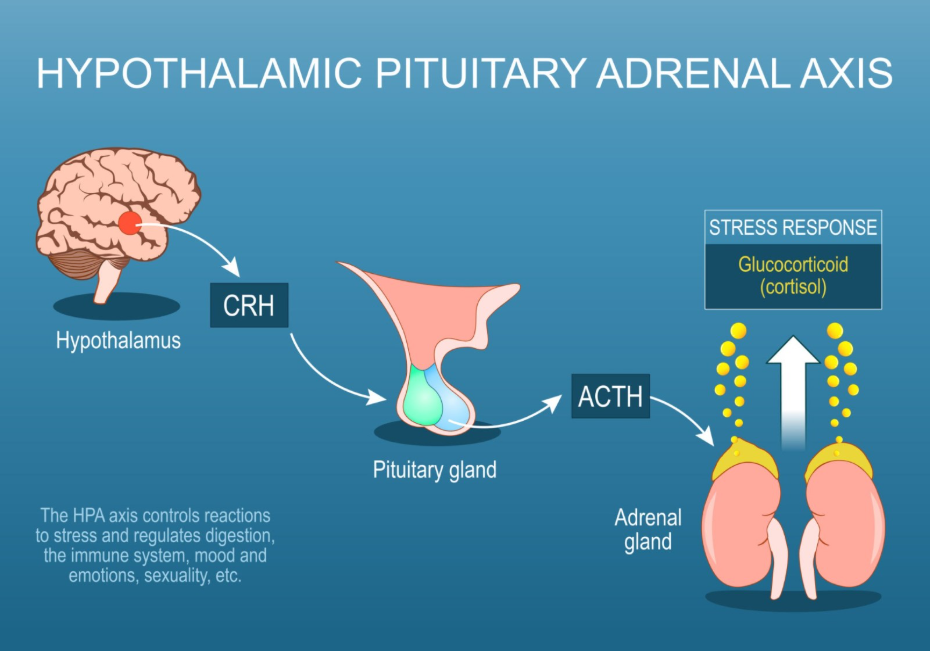
Biological factors, such as the balance of neurotransmitters like serotonin, norepinephrine, and dopamine, play a role in how the brain processes rewards and regulates emotions. Additionally, environmental factors like financial stress, isolation, or difficult workplace conditions can act as triggers. In the UK, this integrated care model ensures that the adult’s or child’s emotional potential is supported. This professional oversight is essential for providing a safe and accurate understanding of the individual’s emotional health. By acknowledged these biological and environmental differences, the system provides a more supportive framework for managing the person’s unique profile safely.
Evidence-Based Management and Support
Management strategies for depression in the United Kingdom focus on psychological therapies, self-help techniques, and, where appropriate, pharmacological support to help regulate brain chemistry. The NHS prioritises talking therapies, particularly Cognitive Behavioural Therapy, which helps individuals identify and reframe the negative thought patterns that contribute to their low mood.
Commonly utilised strategies in the UK include:
- Cognitive Behavioural Therapy: Learning practical skills to change how you think and act in response to difficult situations.
- Interpersonal Therapy: Focusing on relationships with others and how they affect mental wellbeing.
- Sleep Hygiene: Establishing routines that support the restorative rest needed for emotional regulation.
- Physical Activity: Engaging in regular exercise, which can help boost the natural production of mood-regulating chemicals.
- Mindfulness-Based Support: Using grounding techniques to manage intrusive thoughts and stay present.
In the UK, the focus is on providing a stable foundation where the person can manage their emotions successfully. Identifying these indicators early is vital for preventing the emotional exhaustion that can accompany long-term depression. By utilised these professional frameworks, the healthcare system provides a secure environment for building professional and personal confidence. These strategies aim to work with the individual’s biology to restore a sense of purpose and energy.
Accessing Integrated NHS Support Pathways
The pathway for managing depression in the United Kingdom is a coordinated process involving GPs and mental health specialists through services such as NHS Talking Therapies. This journey ensures that every individual receives a thorough review of their history and current environment to build a bespoke management plan.
The UK integrated support pathway involves:
- Initial Consultation: Discussing physical and psychological symptoms with a GP to rule out other medical causes.
- Clinical Assessment: Undergoing a formal review to identify the nature and severity of the depression.
- Referral to Therapy: Accessing evidence-based talking therapies through local NHS providers.
- Integrated Care Planning: Co-ordinating support between the health service and any necessary workplace or social adjustments.
- Regular Monitoring: Scheduled reviews to ensure that management strategies remain effective and appropriate over time.
In the UK, the focus is on providing a stable foundation for the individual to move forward with self-understanding. The NHS ensures that adults and children have a consistent point of contact for their health needs while they navigate their lives. This integrated approach ensures that the person’s unique way of functioning is respected within their home and work environment. By utilised these integrated pathways, the healthcare system provides a secure environment for building long-term mental wellbeing.
Conclusion
Depression is a complex biological and psychological condition characterised by persistent low mood and physical symptoms within the United Kingdom’s healthcare framework. The NHS and professional bodies provide a robust system of multidisciplinary assessments and evidence-based therapies to help individuals manage their symptoms effectively. By focusing on both the biological drivers of mood and the need for supportive environments, the system promotes the highest possible level of independence. Following a coordinated management plan with the help of medical and psychological experts ensures that unique adult and paediatric needs are addressed holistically.
What is the difference between sadness and depression?
Sadness is a temporary emotion in response to a specific event, while depression is a persistent state that lasts for weeks and affects daily functioning.
Can depression cause physical pain?
Yes; depression is often associated with unexplained physical symptoms such as headaches, back pain, or digestive issues.
How does exercise help with low mood?
Physical activity stimulates the release of endorphins and other chemicals in the brain that naturally improve mood and energy levels.
Is depression a sign of weakness?
No; it is a clinical health condition influenced by biological, genetic, and environmental factors beyond an individual’s control.
What is “anhedonia”?
It is a symptom of depression where a person loses the ability to feel pleasure or interest in activities they used to enjoy.
How do I know if I should see a GP?
If your low mood persists for more than two weeks and is interfering with your work, relationships, or self-care, you should consult a doctor.
Who should I talk to first if I am feeling hopeless?
The first point of contact in the United Kingdom is usually your GP to discuss your health and explore support options.
Authority Snapshot (E-E-A-T)
This article provides medically factual health education regarding depression, strictly aligned with NHS and NICE clinical guidelines. The content is developed by a professional medical writing team and reviewed by Dr. Rebecca Fernandez, a UK-trained physician with experience in multiple clinical specialties including cardiology, emergency medicine, and psychiatry. All information follows current UK public health protocols to ensure clinical accuracy and patient safety.



