




You should see a doctor about persistent anxiety or depression if your symptoms last for more than two weeks and significantly interfere with your ability to work, maintain relationships, or manage daily self-care tasks. In the United Kingdom, the NHS provides integrated pathways for mental health support, beginning with a primary care assessment to evaluate the nature and severity of your distress. Early intervention is essential for preventing the progression of symptoms and ensuring access to evidence-based management strategies such as psychological therapies. By utilising professional frameworks, the UK health system offers a stable foundation for individuals to regain functional stability within a secure and supportive clinical environment. A GP consultation allows for a thorough review of your physical and psychological health, ruling out other biological causes while identifying the most appropriate support route. This proactive approach prioritises patient safety and long-term wellbeing, ensuring that every individual receives accurate information and factual guidance tailored to their unique health profile.
What We’ll Discuss in This Article
- Understanding the importance of symptom duration and persistence.
- Evaluating the functional impact of distress on daily life.
- Identifying physical indicators that require a clinical review.
- How the NHS assesses the severity of mental health conditions.
- The role of the GP in ruling out underlying biological factors.
- Accessing integrated NHS support pathways and talking therapies.
Symptom Duration and the Two-Week Threshold
The primary indicator for seeking a medical consultation in the United Kingdom is the persistence of low mood or high anxiety for a period of at least two consecutive weeks. While temporary emotional fluctuations are a natural part of the human experience, clinical frameworks distinguish a health condition by its inability to resolve through typical rest or social support. The NHS states that you should see a GP if you have been feeling anxious or low for more than 2 weeks.
During this two-week period, the brain’s emotional regulation centres may remain in a state of dysregulation, affecting neurotransmitter balance. In the UK, this professional framework provides a stable foundation for the health journey by identifying that persistence is a clinical marker rather than a personal failing. By utilised these integrated pathways, the healthcare system ensures that every person’s profile is supported through accurate clinical evidence. This coordinated effort between primary care and specialists provides a secure environment for building long-term emotional resilience.
Evaluating Functional Impact and Daily Impairment
A clinical review is necessary when psychological distress begins to impair your ability to function in your professional, academic, or social life. In the United Kingdom, healthcare professionals use the degree of functional impairment as a key measure to determine the level of support required. NICE clinical guidelines for common mental health problems indicate that practitioners should assess the impact of symptoms on a person’s daily life and social functioning.
| Area of Impact | Typical Indicators for Consultation | Functional Consequence |
| Occupational | Struggling to meet deadlines or focus. | Reduced performance or absence from work. |
| Interpersonal | Withdrawing from friends or family. | Strained relationships and social isolation. |
| Self-Care | Neglecting hygiene, cooking, or admin. | Decline in physical health and environment. |
| Cognitive | Difficulty making even simple decisions. | Feeling overwhelmed by routine tasks. |
| Social | Avoiding previously enjoyed social events. | Loss of community support and joy. |
In the UK, these challenges are managed through integrated care plans that prioritise a person-centred approach. Identifying that an inability to “get going” in the morning is a biological symptom of the condition allows the multidisciplinary team to select the most effective management strategy. This professional oversight is essential for providing a safe and accurate understanding of the individual’s functional capability. By building a robust evidence base through clinical review, the healthcare system provides a secure environment for long-term health.
Physical Indicators Requiring Clinical Review
Anxiety and depression often manifest through physical symptoms that require a medical review to ensure there are no underlying cardiovascular or metabolic issues. In the United Kingdom, GPs look for somatic indicators such as persistent heart palpitations, unexplained weight changes, or chronic fatigue that does not improve with rest. The GOV.UK health pages provide clinical profiles indicating that the monitoring of physical and social challenges is a priority for ensuring integrated support.
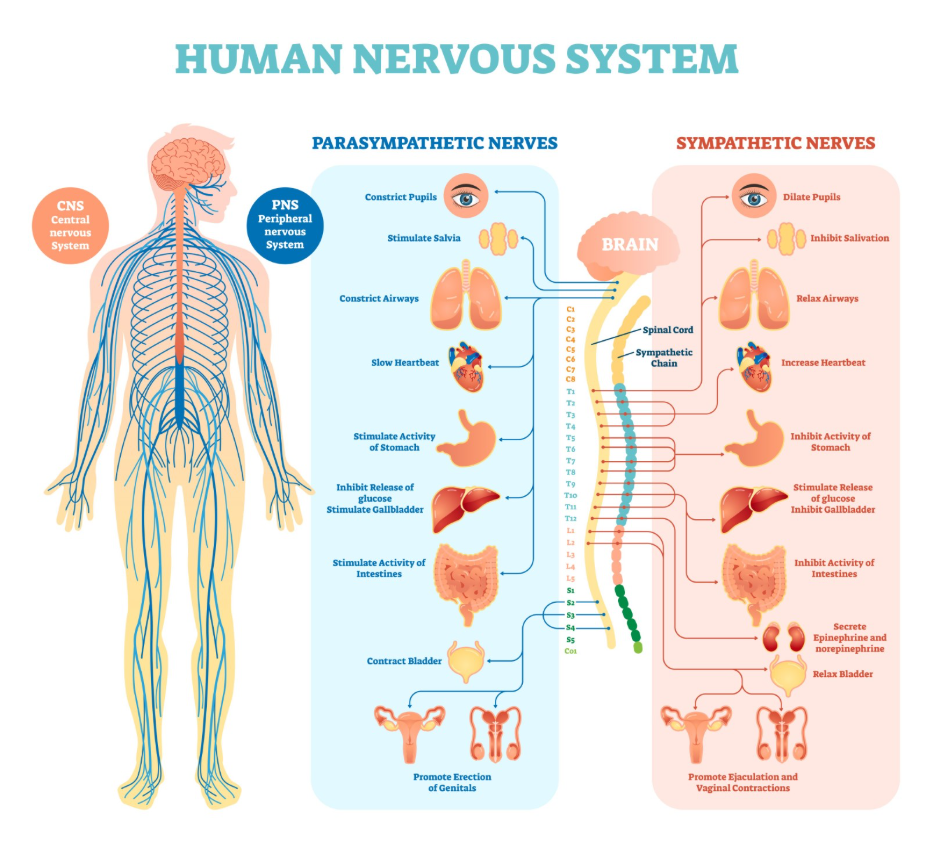
These physical signs occur because the autonomic nervous system and the body’s hormone regulation pathways are directly influenced by mental health. In the UK, the focus is on providing a stable foundation where the individual’s physical health is reviewed alongside their psychological state. Identifying these underlying drivers allows for more targeted help that addresses the actual biological cause of distress. By utilised these professional frameworks, the UK system provides a life-long framework of support that adapts to the person’s needs.
Ruling Out Underlying Biological Factors
It is vital to consult a doctor because various physical health issues can mimic the symptoms of anxiety or depression, requiring a different management approach. In the United Kingdom, a GP will often suggest blood tests during a mental health review to ensure that symptoms are not caused by conditions such as thyroid dysfunction, anaemia, or vitamin deficiencies.
Common factors reviewed in the UK include:
- Thyroid Function: An overactive or underactive thyroid can influence both anxiety and mood.
- Nutritional Levels: Deficiencies in Iron, Vitamin B12, or Vitamin D can cause profound fatigue.
- Hormonal Fluctuations: Identifying the impact of menopause or other hormonal shifts on wellbeing.
- Medication Side Effects: Reviewing whether existing treatments for other conditions are affecting mood.
- Substance Influence: Assessing the impact of alcohol or other substances on the nervous system.
In the UK, identifying these indicators early is vital for preventing the emotional exhaustion that can accompany long-term health challenges. The integrated support framework encourages a strengths-based approach, focusing on what the individual needs to remain healthy. By utilised these professional frameworks, the healthcare system provides a secure environment for building professional and personal confidence. These strategies aim to work with the individual’s biology to restore a sense of calm.
Accessing Integrated NHS Support Pathways
The pathway for managing persistent anxiety and depression in the United Kingdom is a coordinated process involving GPs and mental health specialists through services like NHS Talking Therapies. This journey ensures that every individual receives a thorough review of their history and current environment to build a bespoke management plan.
The UK integrated support pathway involves:
- Initial GP Consultation: Discussing symptoms and their duration to facilitate a preliminary clinical review.
- Physical Screening: Performing necessary tests to rule out non-psychological causes for the symptoms.
- Talking Therapies: Accessing evidence-based support such as Cognitive Behavioural Therapy or counselling.
- Integrated Care Planning: Co-ordinating support between the health service, family, and workplace for adjustments.
- Regular Monitoring: Scheduled reviews to ensure that management strategies remain effective and safe as health needs evolve.
In the UK, the focus is on providing a stable foundation for the individual to move forward with self-understanding. The NHS ensures that adults and children have a consistent point of contact for their health needs while they navigate their lives. This integrated approach ensures that the person’s unique way of functioning is respected within their home and work environment. By utilised these integrated pathways, the healthcare system provides a secure environment for building long-term mental wellbeing.
Conclusion
You should consult a doctor in the United Kingdom if anxiety or depression symptoms persist for more than two weeks or significantly impair your daily life. The NHS provides a robust system of multidisciplinary assessments and evidence-based therapies to help individuals identify their specific needs and access appropriate care. By focusing on both the biological drivers of distress and the need for supportive environments, the system promotes the highest possible level of independence. Following a coordinated management plan with the help of medical and psychological experts ensures that unique adult and paediatric needs are addressed holistically.
Why is the two-week mark important?
It is the standard clinical threshold used in the UK to distinguish between temporary low mood and a persistent health condition.
Can I book a double appointment for a mental health review?
Yes; many UK surgeries allow you to request more time if you feel you have several things to discuss regarding your wellbeing.
What if I find it hard to talk to my GP?
You can write down your symptoms in advance or bring a trusted friend or family member to support you during the consultation.
Will a diagnosis go on my permanent record?
Your medical records are confidential, but having an identified condition can help you access legal protections and work adjustments.
What is “social prescribing”?
In the UK, your GP may refer you to community activities or groups that can help improve your mood and reduce isolation.
Is there a cost for NHS mental health support?
No; all essential mental health assessments and talking therapies provided through the NHS are free at the point of use.
Who should I talk to if my symptoms feel overwhelming today?
In the United Kingdom, you should contact your GP practice or call NHS 111 to speak with a trained professional about your immediate health needs.
Authority Snapshot (E-E-A-T)
This article provides medically factual health education regarding when to consult a GP, strictly aligned with NHS and NICE clinical guidelines. The content is developed by a professional medical writing team and reviewed by Dr. Rebecca Fernandez, a UK-trained physician with experience in multiple clinical specialties including cardiology, emergency medicine, and psychiatry. All information follows current UK public health protocols to ensure clinical accuracy and patient safety.



