




Genetics is a significant contributing factor to mental health conditions like schizophrenia and depression, as hereditary variations influence the biological development of the brain and the regulation of essential chemical messengers. In the United Kingdom, healthcare professionals and the NHS recognise that while genes increase an individual’s vulnerability, they are rarely the sole cause of a disorder. Most conditions result from a complex interaction between a person’s genetic makeup and their environmental experiences, such as life events or physical health challenges. By identifying these hereditary links, the UK clinical framework provides a stable foundation for understanding why certain conditions may run in families. Integrated support pathways focus on managing these biological predispositions through evidence-based strategies tailored to the individual’s history. This professional approach ensures that patients receive factual information regarding their health journey within a secure and supportive environment. Understanding the role of genetics is a vital step toward fostering functional stability and emotional resilience for every person within the national health system.
What We’ll Discuss in This Article
- The biological relationship between hereditary traits and brain function.
- How genetics influences the risk of developing schizophrenia.
- The role of family history in clinical depression and mood regulation.
- Understanding the “stress-vulnerability” model in a medical context.
- The impact of genetic research on modern NHS management pathways.
- Accessing integrated multidisciplinary support for complex health profiles.
The Biological Foundation of Genetics in Mental Health
Hereditary factors influence mental health by shaping the architecture of the brain and determining how effectively neurotransmitters, such as dopamine and serotonin, facilitate communication between neurons. In the United Kingdom, clinical research focuses on how these genetic variations can make an individual’s nervous system more sensitive to external stressors or biological changes. The NHS states that while the exact cause of mental health conditions is unknown, they are often linked to a combination of genetic and environmental factors.
These genetic markers do not predetermine a condition but rather create a baseline level of vulnerability that interacts with a person’s life experiences. In the UK, this professional framework provides a stable foundation for the health journey by identifying that many aspects of mental health are rooted in complex biology. By utilised these integrated pathways, the healthcare system ensures that every person’s profile is supported through evidence-based understanding. This coordinated effort between primary care and specialists provides a secure environment for building long-term emotional resilience.
Genetic Influence on Schizophrenia Risk
Schizophrenia is recognised as having a strong genetic component, as an individual’s risk increases significantly if they have a close biological relative with the condition. In the United Kingdom, specialists utilise clinical data showing that while the general population risk is about 1%, this rises to approximately 10% for individuals with a parent who has the condition. NICE clinical guidelines for psychosis and schizophrenia indicate that a thorough assessment should consider family history to understand the biological risk.
| Relationship | Approximate Risk Level | Clinical Consideration |
| General Population | 1% | Baseline biological risk for most individuals. |
| Grandchild | 5% | Influence of extended hereditary markers. |
| Sibling | 9% | Significant shared genetic material. |
| Child of one parent | 13% | High level of direct hereditary vulnerability. |
| Identical Twin | 40% to 50% | Maximum shared genetic influence. |
In the UK, these challenges are managed through integrated care plans that prioritise a person-centred approach. Identifying these biological markers allows the multidisciplinary team to provide more targeted help that addresses the actual cause of distress. This professional oversight is essential for providing a safe and accurate understanding of the individual’s functional capability. By building a robust evidence base through clinical review, the healthcare system provides a secure environment for long-term health.
Family History and Clinical Depression
The role of genetics in depression involves the inheritance of traits that affect how the brain processes reward, motivation, and emotional regulation over a sustained period. In the United Kingdom, healthcare professionals observe that individuals with a family history of depression may be more prone to disruptions in serotonin regulation, which is vital for mood stability. The GOV.UK health pages provide clinical profiles indicating that the monitoring of social and cognitive challenges is a priority for ensuring integrated support.
Unlike schizophrenia, the genetic link in depression is often more subtle and involves a larger number of genes that each contribute a small amount to the overall risk. In the UK, the focus is on providing a stable foundation where the individual’s family history is reviewed alongside their current environment. Identifying these underlying drivers allows for more targeted help that addresses the biological cause of persistent low mood. By utilised these professional frameworks, the UK system provides a life-long framework of support that adapts to the person’s needs. This approach ensures that every possible developmental factor is considered within the management plan.
The Stress-Vulnerability Model
The most widely accepted clinical framework in the United Kingdom is the stress-vulnerability model, which suggests that a condition develops when a person with a genetic predisposition encounters significant environmental triggers. These triggers can include childhood trauma, major life changes, physical illness, or the use of certain substances that interfere with brain development.
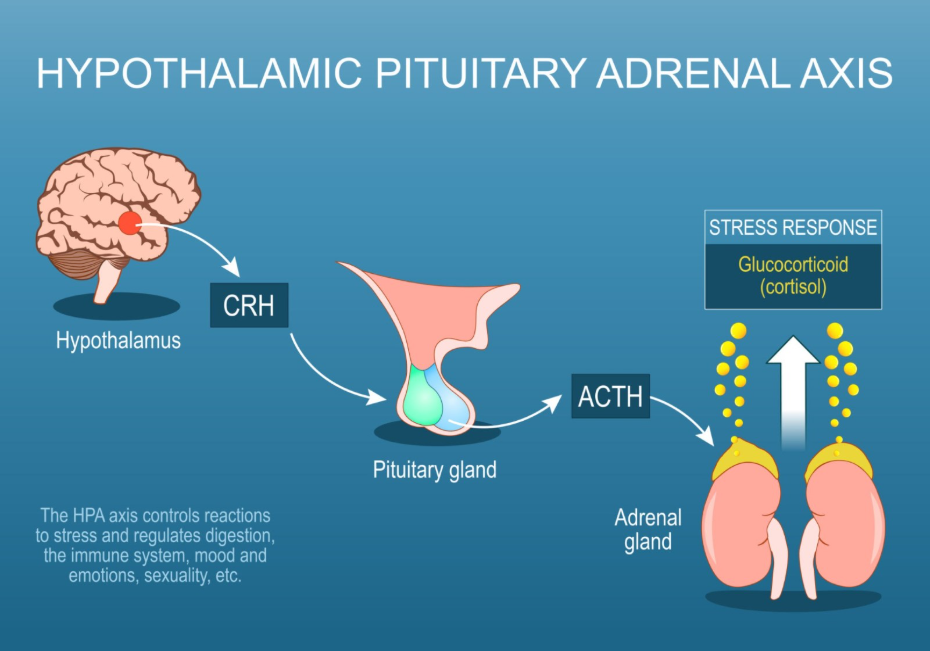
Common environmental triggers in the UK include:
- Childhood Experiences: Significant stress or trauma during formative years.
- Substance Use: The impact of certain drugs on an already vulnerable nervous system.
- Physical Health: Long-term illnesses that put a strain on biological resources.
- Social Factors: Isolation, financial stress, or workplace pressure.
- Major Life Events: Bereavement or the end of a significant relationship.
In the UK, identifying these indicators early is vital for preventing the emotional withdrawal that often accompanies chronic health challenges. The integrated support framework encourages a strengths-based approach, focusing on what the individual needs to remain healthy within their social context. By utilised these professional frameworks, the healthcare system provides a secure environment for building professional and personal confidence. These strategies aim to work with the individual’s biology to restore a sense of stability.
Impact of Genetic Research on Management
Modern genetic research in the United Kingdom is helping to refine management pathways by identifying how different biological profiles may respond to various evidence-based therapies. While we cannot change our genetic code, understanding its influence allows the NHS to provide more personalised support that works with an individual’s specific biology.
In the UK, the focus is on a person-centred approach where the biological reality of genetics is respected. Identifying these indicators early is vital for preventing the functional decline that often accompanies chronic health challenges. This professional oversight is essential for providing a safe and accurate understanding of the individual’s health journey. As our understanding of the human genome grows, the UK healthcare system continues to adapt its clinical protocols to provide the most effective care.
Accessing Integrated NHS Support Pathways
The pathway for managing mental health conditions with a genetic component in the United Kingdom is a coordinated process involving GPs and specialist secondary care services. This journey ensures that every individual receives a thorough review of their history and current environment to build a bespoke management plan.
The UK integrated support pathway involves:
- Initial GP Consultation: Discussing physical and psychological history to identify family patterns.
- Specialist Referral: Accessing a multidisciplinary team for a formal clinical and social review.
- Integrated Care Planning: Co-ordinating support between the health service, family, and workplace.
- Talking Therapies: Accessing evidence-based support such as Cognitive Behavioural Therapy.
- Regular Monitoring: Scheduled reviews to ensure that management strategies remain effective and safe.
In the UK, the focus is on providing a stable foundation for the individual to move forward with self-understanding. The NHS ensures that adults and children have a consistent point of contact for their health needs while they navigate their lives. This integrated approach ensures that the person’s unique way of functioning is respected within their home and work environment. By utilised these integrated pathways, the healthcare system provides a secure environment for building long-term mental wellbeing.
Conclusion
Genetics plays a significant role in conditions like schizophrenia and depression by creating biological vulnerabilities within the United Kingdom’s healthcare framework. The NHS and professional bodies provide a robust system of multidisciplinary assessments to help individuals identify their specific needs and access evidence-based support. By focusing on both the biological roots of the condition and the need for supportive environments, the system promotes the highest possible level of independence. Following a coordinated management plan with the help of medical and psychological experts ensures that unique adult and paediatric needs are addressed holistically.
If my parent has depression, will I definitely get it?
No; genetics increases your vulnerability, but environmental factors and lifestyle choices also play a critical role.
Can a genetic test diagnose schizophrenia?
No; in the UK, identification is based on a clinical review of symptoms and history as there is no single diagnostic gene test.
Why does schizophrenia run in families more than depression?
Clinical research indicates that schizophrenia has a higher “heritability” factor, meaning genes play a larger proportional role in its onset.
Can I change my genetic risk?
You cannot change your DNA, but you can manage your risk by avoiding triggers like substances and managing stress effectively.
Do twins always have the same mental health?
Even identical twins do not always share the same conditions, proving that environment is as important as genetics.
What is the stress-vulnerability model?
It is a UK clinical framework showing how life stress can trigger a condition in someone with a biological predisposition.
Who should I talk to first if I am worried about my family history?
The first point of contact in the United Kingdom is usually your GP to discuss your concerns and explore support options.
Authority Snapshot (E-E-A-T)
This article provides medically factual health education regarding the role of genetics in mental health, strictly aligned with NHS and NICE clinical guidelines. The content is developed by a professional medical writing team and reviewed by Dr. Rebecca Fernandez, a UK-trained physician with experience in multiple clinical specialties including cardiology, emergency medicine, and psychiatry. All information follows current UK public health protocols to ensure clinical accuracy and patient safety.



