




Stress or trauma can trigger anxiety or depression because these experiences activate a complex biological response that can overwhelm the brain’s emotional regulation systems and lead to long-term neurochemical imbalances. In the United Kingdom, healthcare professionals and the NHS recognise that while some stress is a normal part of life, persistent or severe trauma can act as a catalyst for clinical mental health conditions. By identifying how these triggers influence the body’s autonomic nervous system, individuals can better understand their vulnerability and access appropriate support pathways within the national health system. Integrated clinical management in the UK focuses on acknowledging the role of life events in shaping current health profiles to provide safe, evidence-based management strategies. This professional framework ensures that patients receive factual information regarding their health journey in a secure and supportive environment. Understanding the link between environmental stressors and mental health is a vital step toward fostering functional stability and emotional resilience for every person within the UK clinical framework.
What We’ll Discuss in This Article
- The biological mechanism of the stress response and its impact on mood.
- How acute or chronic trauma can lead to persistent anxiety.
- The transition from prolonged stress to a depressive episode.
- Identifying the physical and psychological markers of stress-related conditions.
- Integrated NHS management strategies for trauma and stress recovery.
- Accessing multidisciplinary support through primary and secondary care.
The Biological Link Between Stress and Mental Health
Stress triggers a biological reaction in the body through the activation of the hypothalamic-pituitary-adrenal (HPA) axis, which releases hormones like cortisol and adrenaline to manage perceived threats. In the United Kingdom, clinical research focuses on how the persistent activation of this system can eventually disrupt the regulation of neurotransmitters such as serotonin. The NHS states that while stress is not a mental health condition itself, it can cause mental health problems like anxiety and depression.
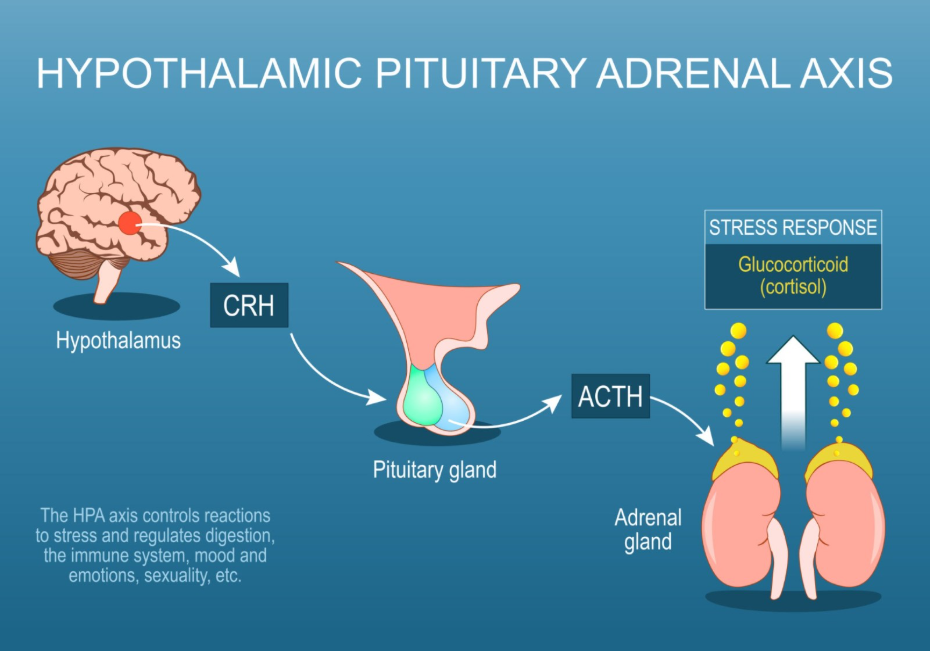
When the body remains in a state of high alert for too long, the brain’s emotional centres, such as the amygdala, can become overactive while the rational prefrontal cortex becomes less efficient. In the UK, this professional framework provides a stable foundation for the health journey by identifying that these sensations are biological realities rooted in the nervous system. By utilised these integrated pathways, the healthcare system ensures that every person’s profile is supported through evidence-based understanding. This coordinated effort prioritises the safety of the individual within a validated medical environment.
How Trauma Leads to Persistent Anxiety
Trauma can lead to persistent anxiety by recalibrating the brain’s “threat detection” system to remain on high alert even after the traumatic event has concluded. In the United Kingdom, healthcare professionals identify that acute trauma, such as an accident, or chronic trauma, such as long-term neglect, can create deep-seated patterns of hyper-vigilance and worry. NICE clinical guidelines for common mental health problems indicate that a thorough assessment should consider previous traumatic events as potential triggers for current anxiety.
| Type of Stressor | Potential Clinical Manifestation | Functional Impact |
| Acute Trauma | Sudden onset of panic or flashbacks. | Difficulty navigating specific environments. |
| Chronic Stress | Persistent worry and muscle tension. | Reduced cognitive focus and sleep disruption. |
| Bereavement | Intense low mood and social withdrawal. | Strained interpersonal relationships. |
| Workplace Stress | Feeling overwhelmed and irritable. | Reduced occupational performance or absence. |
| Financial Strain | Constant fear regarding safety and future. | Difficulty making even simple decisions. |
In the UK, these challenges are managed through integrated care plans that prioritise a person-centred approach. Identifying that a racing heart or trembling is a biological symptom of a traumatised nervous system helps the multidisciplinary team select the most effective management strategy. This professional oversight is essential for providing a safe and accurate understanding of the individual’s functional capability. By building a robust evidence base through clinical review, the healthcare system provides a secure environment for long-term health.
The Transition from Prolonged Stress to Depression
Prolonged stress can lead to a depressive episode when the body’s resources for managing tension become depleted, resulting in a state of emotional and physical exhaustion. In the United Kingdom, specialists recognise that the transition from anxiety to depression often involves a shift from “high-energy” stress to “low-energy” apathy as the brain attempts to protect itself from further strain. The GOV.UK health pages provide clinical profiles indicating that the monitoring of social and cognitive challenges is a priority for ensuring integrated support.
This biological “burnout” can manifest as persistent low mood, lethargy, and a loss of interest in activities that were previously enjoyable. In the UK, the focus is on providing a stable foundation where the individual’s history of stress is reviewed alongside their current metabolic and hormonal health. Identifying these underlying drivers allows for more targeted help that addresses the actual biological cause of distress. By utilised these professional frameworks, the UK system provides a life-long framework of support that adapts to the person’s needs. This approach ensures that the person’s unique way of functioning is respected within their home and work environment.
Identifying Markers of Stress-Related Conditions
Identifying the markers of stress-related conditions involves looking for a combination of physical and psychological indicators that suggest the nervous system is struggling to return to a balanced state. In the United Kingdom, healthcare professionals focus on how these symptoms interfere with daily routines as a key measure of whether clinical support is required.
Common markers identified in the UK include:
- Physical Sensation: Constant muscle tension, headaches, or digestive issues.
- Sleep Disruption: Difficulty falling asleep due to a racing mind or early morning waking.
- Cognitive Changes: “Brain fog,” poor concentration, and difficulty making decisions.
- Emotional State: Increased irritability, feeling “on edge,” or a sense of hopelessness.
- Social Behaviour: Withdrawing from social circles and neglecting previously enjoyed hobbies.
- Autonomic Symptoms: Frequent heart palpitations or sweating during non-physical tasks.
In the UK, identifying these indicators early is vital for preventing the functional decline that often accompanies chronic health challenges. The integrated support framework encourages a strengths-based approach, focusing on what the individual needs to remain healthy within their social context. By utilised these professional frameworks, the healthcare system provides a secure environment for building professional and personal confidence. These strategies aim to work with the individual’s biology to restore a sense of calm.
Accessing Integrated NHS Support Pathways
The pathway for managing the impact of stress and trauma in the United Kingdom is a coordinated process involving GPs and specialist mental health services through the NHS. This journey ensures that every individual receives a thorough review of their history and current environment to build a bespoke management plan.
The UK integrated support pathway involves:
- Initial GP Consultation: Discussing recent stressors and traumatic events to facilitate a clinical review.
- Physical Screening: Ruling out non-psychological causes for physical symptoms like fatigue or palpitations.
- Talking Therapies: Accessing evidence-based support such as Trauma-Focused Cognitive Behavioural Therapy.
- Integrated Care Planning: Co-ordinating support between the health service, family, and workplace.
- Regular Monitoring: Scheduled reviews to ensure that management strategies remain effective and safe as health needs evolve.
In the UK, the focus is on providing a stable foundation for the individual to move forward with self-understanding. The NHS ensures that adults and children have a consistent point of contact for their health needs while they navigate their lives. This integrated approach ensures that the person’s unique way of functioning is respected within their home and work environment. By utilised these integrated pathways, the healthcare system provides a secure environment for building long-term mental wellbeing across the UK population.
Conclusion
Stress and trauma are significant triggers for anxiety and depression due to their profound impact on the body’s biological regulation systems within the United Kingdom’s healthcare framework. The NHS and professional bodies provide a robust system of multidisciplinary assessments and evidence-based therapies to help individuals identify their specific needs. By focusing on both the biological roots of the stress response and the need for supportive environments, the system promotes the highest possible level of independence. Following a coordinated management plan with the help of medical and psychological experts ensures that unique adult and paediatric needs are addressed holistically.
Can a single stressful event cause long-term anxiety?
Yes; an acute traumatic event can trigger a persistent stress response that require clinical support to resolve.
Why does stress make me feel physically ill?
Stress activates the autonomic nervous system, which can cause real physical symptoms like digestive issues or heart palpitations.
Is there a difference between stress and anxiety?
Stress is usually a response to an external trigger, while anxiety is a persistent feeling of unease that can remain after the trigger is gone.
How can I tell if my stress has become depression?
If you feel a persistent loss of interest and low energy for more than two weeks, you should consult a GP.
Does the NHS provide therapy for trauma?
Yes; the NHS offers several evidence-based talking therapies specifically designed to manage the impact of traumatic events.
Can childhood stress affect my adult mental health?
Clinical research indicates that early life stress can make the nervous system more sensitive to triggers in later life.
Who should I talk to first if I am struggling?
The first point of contact in the United Kingdom is usually your GP to discuss your health and explore support options.
Authority Snapshot (E-E-A-T)
This article provides medically factual health education regarding the impact of stress and trauma, strictly aligned with NHS and NICE clinical guidelines. The content is developed by a professional medical writing team and reviewed by Dr. Rebecca Fernandez, a UK-trained physician with experience in multiple clinical specialties including cardiology, emergency medicine, and psychiatry. All information follows current UK public health protocols to ensure clinical accuracy and patient safety.



