




Recurrent depression or anxiety can lead to long-term health problems because the persistent activation of the body’s stress response system causes physiological changes that can affect cardiovascular, metabolic, and immunological functions over time. In the United Kingdom, healthcare professionals recognise that mental and physical health are deeply interconnected, meaning that chronic psychological distress can have a cumulative impact on an individual’s overall biological stability. By utilising integrated NHS pathways, individuals can access multidisciplinary support that addresses both the psychological and physiological aspects of their wellbeing. This professional framework ensures that patients receive factual information and evidence-based guidance within a secure clinical environment. Understanding these biological connections is a vital step toward fostering functional stability and long-term health. This comprehensive approach prioritises patient safety and the accurate identification of support needs within the UK clinical framework. By managing these conditions early, the health service aims to reduce the risk of secondary physical health challenges for patients across the country.
What We’ll Discuss in This Article
- The biological relationship between chronic stress and physical health systems.
- How recurrent anxiety affects cardiovascular health and heart rate regulation.
- The link between persistent depression and metabolic or hormonal changes.
- Identifying the long-term impact of mental health on the immune system.
- Understanding the role of systemic inflammation in chronic health conditions.
- Accessing integrated NHS support for managing co-occurring physical and mental health.
Biological Links Between Chronic Distress and the Body
Recurrent depression and anxiety influence physical health through the persistent activation of the hypothalamic-pituitary-adrenal axis, which keeps the body in a state of physiological alertness. In the United Kingdom, clinical research focuses on how the constant release of stress hormones like cortisol can eventually lead to wear and tear on various organ systems. The NHS states that mental and physical health are closely linked, and a problem with one can often lead to a problem with the other.
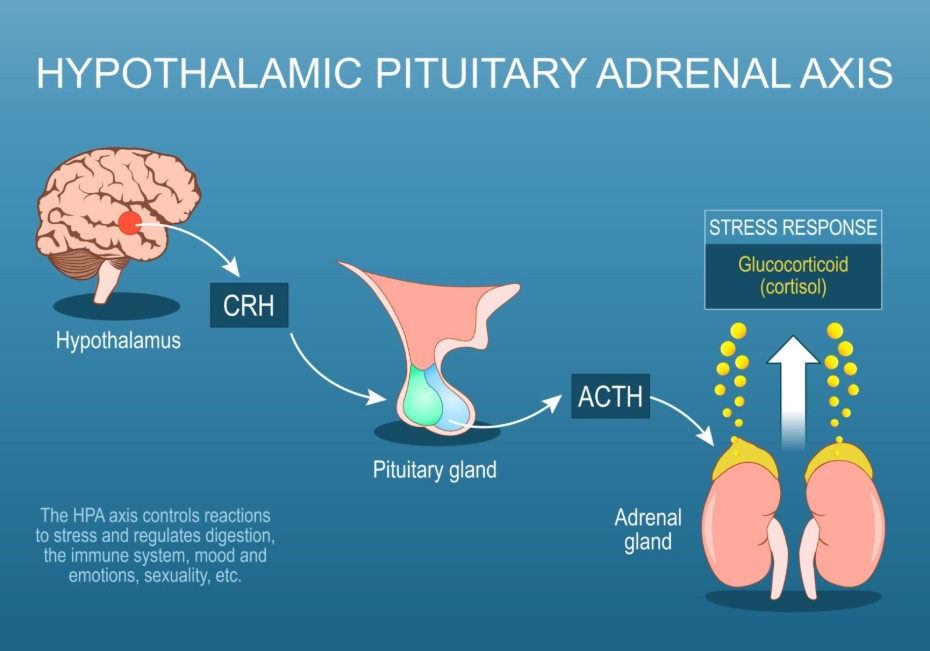
When the body remains in a high-alert state for months or years, the biological systems responsible for repair and maintenance may become less efficient. In the UK, this professional framework provides a stable foundation for the health journey by identifying that long-term physical changes are objective biological realities. By utilised these integrated pathways, the healthcare system ensures that every person’s profile is supported through evidence-based understanding. This coordinated effort prioritises the safety of the individual within a validated medical environment.
Impact on Cardiovascular Health and Heart Regulation
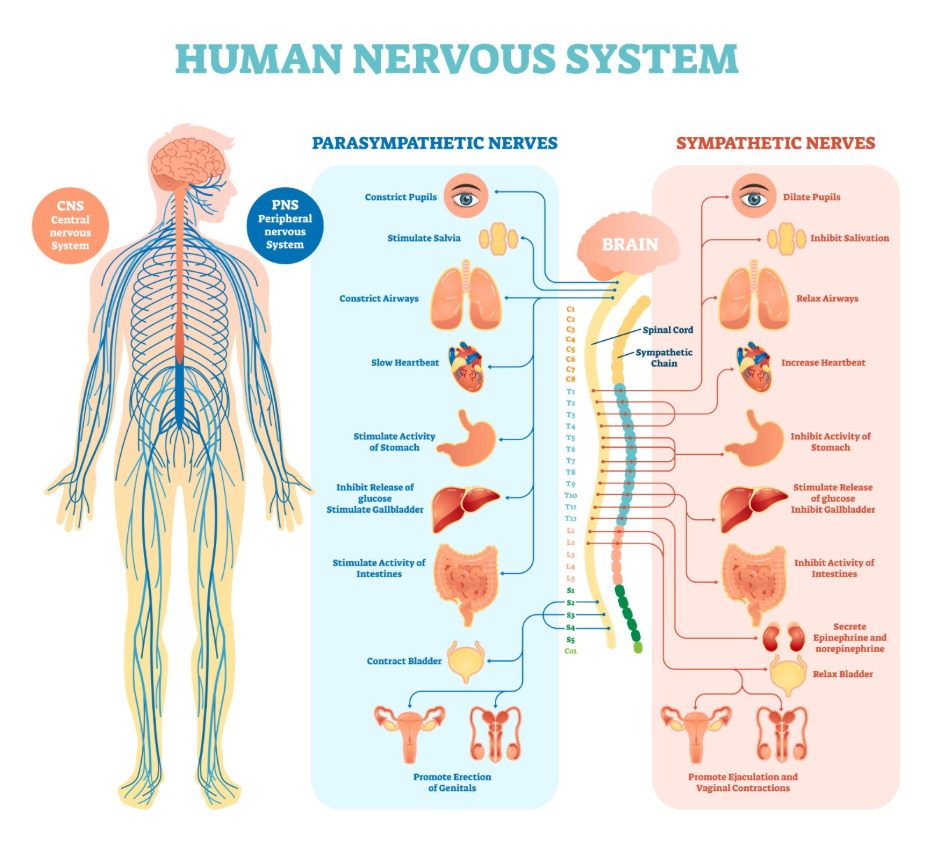
Recurrent anxiety can affect long-term cardiovascular health by placing a frequent strain on the heart and blood vessels through elevated heart rate and blood pressure during periods of acute distress. In the United Kingdom, healthcare professionals identify that chronic autonomic nervous system activation can increase the risk of developing persistent cardiovascular issues over time. NICE clinical guidelines for common mental health problems indicate that a thorough assessment should consider the physical manifestations of chronic anxiety.
| Physical Parameter | Impact of Recurrent Anxiety | Long-term Health Consideration |
| Heart Rate | Frequent episodes of tachycardia (racing heart). | Potential strain on the heart muscle over time. |
| Blood Pressure | Temporary spikes during periods of high worry. | Cumulative impact on blood vessel elasticity. |
| Heart Rate Variability | Reduced ability for the heart to adapt to stress. | Marker of overall cardiovascular resilience. |
| Physical Tension | Chronic muscle bracing and chest tightness. | Persistent stress on the musculoskeletal system. |
| Sleep Quality | Disrupted rest affecting nightly heart recovery. | Reduced biological repair during sleep cycles. |
In the UK, these challenges are managed through integrated care plans that prioritise a person-centred approach. Identifying that cardiovascular changes are a biological response to recurrent mental health conditions helps the multidisciplinary team select the most effective management strategy. This professional oversight is essential for providing a safe and accurate understanding of the individual’s functional capability. By building a robust evidence base through clinical review, the healthcare system provides a secure environment for long-term health.
Metabolic and Hormonal Changes in Recurrent Depression
Persistent depression can lead to long-term metabolic changes by altering the way the body processes energy and regulates hormones such as insulin. In the United Kingdom, specialists recognise that chronic low mood often coincides with changes in appetite, activity levels, and sleep patterns, all of which influence metabolic health. The GOV.UK health pages provide clinical profiles indicating that the monitoring of social and cognitive challenges is a priority for ensuring integrated support.
The biological state of depression is often associated with higher levels of systemic inflammation, which can interfere with the body’s natural metabolic processes. In the UK, the focus is on providing a stable foundation where the individual’s metabolic health is reviewed alongside their psychological state. Identifying these underlying drivers allows for more targeted help that addresses the actual biological cause of distress. By utilised these professional frameworks, the UK system provides a life-long framework of support that adapts to the person’s needs. This approach ensures that the person’s unique way of functioning is respected within their home and work environment.
Long-term Impact on the Immune System
Recurrent mental health disorders can influence the immune system’s efficiency because the chronic presence of stress hormones can suppress the body’s natural ability to manage infection and inflammation. In the United Kingdom, healthcare professionals focus on how individuals with persistent depression or anxiety may find they take longer to recover from common illnesses.
Common immunological markers identified in the UK include:
- Systemic Inflammation: Chronic low-level inflammation linked to long-term distress.
- Wound Healing: Slower physical recovery from minor injuries or surgeries.
- Infection Sensitivity: Increased frequency of common colds or respiratory issues.
- Autoimmune Vulnerability: Potential for worsening symptoms of existing autoimmune conditions.
- Physical Fatigue: Exhaustion caused by the immune system remaining in a state of high alert.
- Digestive Health: Alterations in gut health influenced by the brain-gut axis.
In the UK, identifying these indicators early is vital for preventing the functional decline that often accompanies chronic health challenges. The integrated support framework encourages a strengths-based approach, focusing on what the individual needs to remain healthy. By utilised these professional frameworks, the healthcare system provides a secure environment for building professional and personal confidence. These strategies aim to work with the individual’s biology to restore a sense of calm.
Accessing Integrated NHS Support Pathways
The pathway for managing the long-term physical impact of recurrent mental health disorders in the United Kingdom is a coordinated process involving GPs and specialist services through the NHS. This journey ensures that every individual receives a thorough review of their physical and psychological history to build a bespoke management plan.
The UK integrated support pathway involves:
- Initial GP Consultation: Discussing recurrent symptoms and physical health for a clinical review.
- Physical Screening: Performing blood tests to monitor cardiovascular and metabolic markers.
- Talking Therapies: Accessing evidence-based support such as Cognitive Behavioural Therapy.
- Integrated Care Planning: Co-ordinating support between the health service, family, and workplace.
- Regular Monitoring: Scheduled reviews to ensure that management strategies remain effective and safe.
In the UK, the focus is on providing a stable foundation for the individual to move forward with self-understanding. The NHS ensures that adults and children have a consistent point of contact for their health needs while they navigate their lives. This integrated approach ensures that the person’s unique way of functioning is respected within their home and work environment. By utilised these integrated pathways, the healthcare system provides a secure environment for building long-term mental wellbeing across the UK population.
Conclusion
Recurrent depression and anxiety can lead to long-term health problems by influencing the body’s cardiovascular, metabolic, and immune systems within the United Kingdom’s healthcare framework. The NHS and professional bodies provide a robust system of multidisciplinary assessments and evidence-based therapies to help individuals manage these challenges. By focusing on both the biological roots of symptoms and the need for supportive environments, the system promotes the highest possible level of independence. Following a coordinated management plan with the help of medical and psychological experts ensures that unique adult and paediatric needs are addressed holistically.
Can anxiety actually damage my heart?
Recurrent anxiety puts temporary strain on the heart, but managing the condition helps reduce the risk of long-term cardiovascular issues.
Why do I get sick more often when I am depressed?
Chronic low mood and stress can suppress your immune system, making your body less efficient at fighting off common infections.
Does depression affect my blood sugar?
Yes; the hormonal changes associated with chronic depression can influence how your body regulates insulin and processes energy.
Can physical exercise help prevent these long-term problems?
Regular, gentle exercise helps regulate stress hormones, improves heart health, and can boost your overall mood and stability.
Is the physical damage permanent?
Many of the biological changes caused by distress are manageable or reversible through consistent, evidence-based management and support.
Will my GP check my physical health if I have anxiety?
Yes; UK doctors are trained to perform physical check-ups and blood tests to monitor your overall wellbeing alongside your mental health.
Who should I talk to first if I am worried?
The first point of contact in the United Kingdom is usually your GP to discuss your health and explore support options.
Authority Snapshot (E-E-A-T)
This article provides medically factual health education regarding the long-term health effects of recurrent mental health disorders, strictly aligned with NHS and NICE clinical guidelines. The content is developed by a professional medical writing team and reviewed by Dr. Rebecca Fernandez, a UK-trained physician with experience in multiple clinical specialties including cardiology, emergency medicine, and psychiatry. All information follows current UK public health protocols to ensure clinical accuracy and patient safety.



