




Mental illnesses are not signs of weakness or poor character because they are recognised medical conditions rooted in complex biological, genetic, and environmental factors that affect brain function and emotional regulation. In the United Kingdom, healthcare professionals treat mental disorders with the same clinical rigour as physical ailments. By utilising integrated NHS pathways, individuals can access evidence-based support to manage these health challenges effectively.
What We’ll Discuss in This Article
- The biological reality of mental health conditions versus social myths.
- How brain chemistry and structure influence emotional stability.
- The role of genetics and environmental stress in health outcomes.
- Identifying the physical markers of mental health disorders.
- Evidence-based management strategies within the UK healthcare system.
- Accessing integrated NHS support for a professional clinical review.
The Biological Reality of Mental Health
Mental health conditions are objective medical realities involving measurable changes in brain chemistry and neural activity, which means they cannot be overcome through willpower or character strength alone. In the United Kingdom, clinical research defines these disorders as disruptions to the body’s natural homeostatic processes. The NHS states that a mental health problem is a genuine health condition and is not a sign of weakness or a character flaw.
When an individual experiences a mental health disorder, the brain’s communication network may become dysregulated. In the UK, this professional framework provides a stable foundation for the health journey by identifying that symptoms are physiological responses. By utilised these integrated pathways, the healthcare system ensures that every person’s profile is supported through evidence-based understanding. This coordinated effort prioritises the safety of the individual within a validated medical environment.
Brain Chemistry and Structural Influence
Mental illnesses are influenced by the balance of neurotransmitters, such as serotonin and dopamine, and the structural integrity of brain regions like the hippocampus and prefrontal cortex. In the United Kingdom, specialists recognise that these biological factors govern how a person processes information and responds to their surroundings. NICE clinical guidelines for common mental health problems indicate that a thorough assessment should consider the biological drivers of distress.
| Feature | Myth: Poor Character | Fact: Biological Condition |
| Primary Cause | Personal choices or lack of effort. | Genetic, chemical, and structural factors. |
| Management | “Snapping out of it” or willpower. | Evidence-based therapy and medication. |
| Control | Total voluntary control over symptoms. | Autonomic and neurological dysregulation. |
| Physical Signs | Generally ignored or dismissed. | Changes in sleep, appetite, and heart rate. |
| Clinical Status | Not considered a legitimate illness. | Aligned with NHS and global medical standards. |
In the UK, these biological changes are managed through integrated care plans that prioritise a person-centred approach. Identifying that persistent low mood or racing thoughts are biological responses helps the multidisciplinary team select the most effective management strategy. This professional oversight is essential for providing a safe and accurate understanding of the individual’s functional capability. By building a robust evidence base through clinical review, the healthcare system provides a secure environment for long-term health.
Genetics and the Impact of Environmental Stress
The development of mental health conditions is often a result of genetic predispositions interacting with significant environmental stressors, a process that occurs independently of an individual’s personality or moral standing. In the United Kingdom, healthcare professionals utilise the biopsychosocial model to understand how life events can trigger biological vulnerabilities in the nervous system. The GOV.UK health pages provide clinical profiles indicating that the monitoring of social and cognitive challenges is a priority for ensuring integrated support.
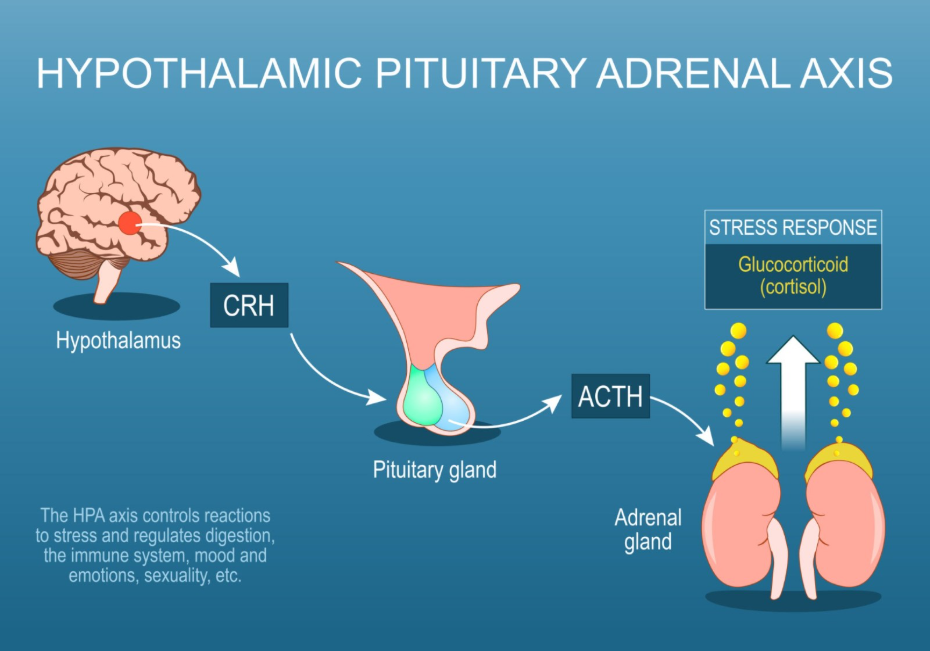
When the body’s stress response system is overactive for prolonged periods, it can lead to systemic health challenges. In the UK, the focus is on providing a stable foundation where the individual’s environment is reviewed alongside their metabolic health. Identifying these underlying drivers allows for more targeted help that addresses the actual biological cause of distress. By utilised these professional frameworks, the UK system provides a life-long framework of support that adapts to the person’s needs. This approach ensures that the person’s unique way of functioning is respected within their community.
Identifying Physical Markers of Disorders
Identifying the physical markers of mental health disorders involves looking for objective indicators that suggest the nervous system or metabolic processes are struggling to maintain balance. In the United Kingdom, healthcare professionals focus on these signs to distinguish clinical conditions from typical fluctuations in mood or temperament.
Common physical markers identified in the UK include:
- Sleep Disruption: Persistent difficulty in falling asleep or staying asleep.
- Appetite Changes: Significant shifts in hunger levels and body weight.
- Autonomic Arousal: Increased heart rate, sweating, or trembling without physical exertion.
- Physical Fatigue: A leaden sense of exhaustion that does not resolve with rest.
- Muscle Tension: Chronic bracing or pain in the jaw, neck, or shoulders.
- Digestive Issues: Changes in gut health influenced by the nervous system.
In the UK, identifying these indicators early is vital for preventing the functional decline that often accompanies chronic health challenges. The integrated support framework encourages a strengths-based approach, focusing on what the individual needs to remain healthy. By utilised these professional frameworks, the healthcare system provides a secure environment for building professional and personal confidence. These strategies aim to work with the individual’s biology to restore a sense of calm.
Accessing Integrated NHS Support Pathways
The pathway for managing mental health in the United Kingdom is a coordinated process involving primary care and specialist talking therapy services. This journey ensures that every individual receives a thorough review of their history and current environment to build a bespoke recovery plan that supports their long-term wellness.
The UK integrated support pathway involves:
- Initial GP Consultation: Discussing physical and emotional symptoms for a clinical review.
- Physical Screening: Performing blood tests to rule out biological causes like thyroid issues.
- Talking Therapies: Accessing evidence-based support such as Cognitive Behavioural Therapy (CBT).
- Social Prescribing: Connecting individuals with community resources to improve social health.
- Integrated Care Planning: Co-ordinating between the GP, specialist teams, and the workplace.
- Regular Monitoring: Scheduled reviews to ensure that management strategies remain effective.
In the UK, the focus is on providing a stable foundation for the individual to move forward with self-understanding. The NHS ensures that adults and children have a consistent point of contact for their health needs while they navigate their lives. By utilised these integrated pathways, the healthcare system provides a secure environment for building long-term mental wellbeing across the UK population. These strategies aim to work with the individual’s biology to restore a sense of calm and purpose.
Conclusion
Mental health conditions are biological health factors and are not reflections of an individual’s character or personal strength. The NHS and professional bodies in the United Kingdom provide a robust system of multidisciplinary assessments to help people understand their health from a factual, clinical perspective. By focusing on both the biological roots of symptoms and the need for supportive environments, the system promotes the highest possible level of independence. Following a coordinated management plan with the help of medical and psychological experts ensures that unique adult and paediatric needs are addressed holistically.
Why do people still think mental illness is a weakness?
Historical stigma and a lack of biological education often lead to the misconception that these conditions are under voluntary control.
Can I improve my mental health through willpower alone?
While effort is important for engagement, clinical conditions usually require evidence-based therapy or medication to address biological dysregulation.
How does the NHS view mental health?
The NHS treats mental health with the same clinical importance as physical health, focusing on evidence-based management and safety.
Does having a mental illness mean I have a bad personality?
No; a mental illness is a health condition that can affect anyone regardless of their personality, values, or character.
Is anxiety just a sign that someone is “soft”?
No; anxiety is a biological state of hyper-vigilance in the nervous system that requires professional management to regulate.
Will my GP judge me if I ask for help?
GPs in the UK are trained to provide non-judgmental, factual clinical support for all types of health concerns.
Who should I talk to first if I am feeling judged?
The first point of contact in the United Kingdom is usually your GP to discuss your health and explore support options.
Authority Snapshot (E-E-A-T)
This article provides medically factual health education regarding the nature of mental illness, strictly aligned with NHS and NICE clinical guidelines. The content is developed by a professional medical writing team and reviewed by Dr. Stefan Petrov, a UK-trained physician with experience in multiple clinical specialties including emergency care, general medicine, and medical education. All information follows current UK public health protocols to ensure clinical accuracy and patient safety.



