
Talking about mental health in a safe and structured environment generally improves outcomes because it reduces the physiological burden of stress, facilitates early clinical intervention, and helps regulate the body’s autonomic nervous system. In the United Kingdom, healthcare professionals prioritise open communication as a foundational element of recovery. While unguided rumination may feel overwhelming, evidence-based talking therapies are designed to promote long-term stability and resilience.
What We’ll Discuss in This Article
- The biological impact of verbalising emotional and psychological distress.
- Distinguishing between unguided rumination and evidence-based talking therapies.
- How structured communication influences the brain’s stress regulation systems.
- Identifying the physical markers of relief and regulation after disclosure.
- The role of the NHS in providing safe environments for health discussions.
- Accessing integrated support pathways for professional clinical communication.
The Biological Impact of Verbalising Distress
Verbalising mental health concerns can lower the body’s physiological stress response by transitioning the processing of emotions from the amygdala to the prefrontal cortex, a process known as affect labelling. In the United Kingdom, clinical research indicates that this shift helps reduce the output of stress hormones like cortisol and adrenaline. The NHS states that talking to someone you trust about how you feel can be the first step toward feeling better and more in control.
When distress remains internalised, the autonomic nervous system may stay in a state of hyper-vigilance, which can lead to physical symptoms such as increased heart rate or muscle tension. In the UK, this professional framework provides a stable foundation for the health journey by identifying that communication is a biological asset. By utilised these integrated pathways, the healthcare system ensures that every person’s profile is supported through evidence-based understanding. This coordinated effort prioritises the safety of the individual within a validated medical environment.
Rumination Versus Evidence-Based Talking Therapy
The effectiveness of talking about mental health depends on the structure of the conversation, as evidence-based therapies focus on processing and problem-solving rather than repetitive rumination on negative thoughts. In the United Kingdom, healthcare professionals use structured interventions like Cognitive Behavioural Therapy (CBT) to ensure that discussions lead to improved functional outcomes rather than increased distress. NICE clinical guidelines for common mental health problems indicate that structured psychological interventions are key to reducing symptoms and promoting long-term stability.
| Type of Discussion | Typical Characteristics | Biological or Social Outcome |
| Unguided Rumination | Repetitive focus on distress without a plan. | Potential for increased autonomic arousal. |
| Structured Therapy | Goal-oriented and evidence-based sessions. | Improved emotional regulation and calm. |
| Peer Support | Shared experience in a safe group setting. | Reduced isolation and biological stress. |
| Clinical Review | Factual discussion of symptoms with a GP. | Accurate management and safety planning. |
| Informal Disclosure | Sharing health status with trusted family. | Enhanced social support and resilience. |
In the UK, these distinctions are managed through integrated care plans that prioritise a person-centred approach. Identifying that the method of talking influences the biological response helps the multidisciplinary team select the most effective management strategy. This professional oversight is essential for providing a safe and accurate understanding of the individual’s functional capability. By building a robust evidence base through clinical review, the healthcare system provides a secure environment for long-term health.
Stress Regulation and the Nervous System
Engaging in structured talk therapy helps regulate the nervous system by providing a safe environment to process memories and emotions, which reduces the intensity of the fight-or-flight response. In the United Kingdom, specialists recognise that chronic avoidance of health discussions can lead to systemic health challenges, whereas proactive communication fosters neuroplasticity. The GOV.UK health pages provide clinical profiles indicating that the monitoring of social and cognitive challenges is a priority for ensuring integrated support.
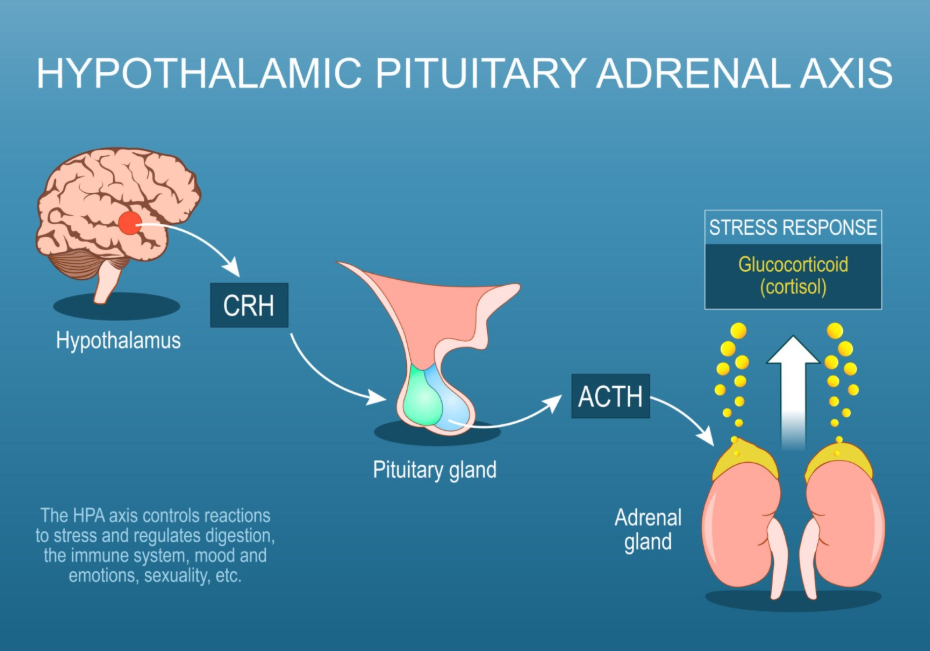
When an individual talks through their experiences with a professional, they learn to identify the physical markers of their stress response. In the UK, the focus is on providing a stable foundation where the individual’s environment is reviewed alongside their metabolic health. Identifying these underlying drivers allows for more targeted help that addresses the actual biological cause of distress. By utilised these professional frameworks, the UK system provides a life-long framework of support that adapts to the person’s needs.
Identifying Markers of Relief and Regulation
Identifying the markers of relief involves looking for a combination of physical and psychological indicators that suggest the nervous system is achieveing a more regulated state after a health discussion. In the United Kingdom, healthcare professionals focus on these signs to monitor how communication is influencing a person’s baseline stability and functional recovery.
Common markers of positive disclosure identified in the UK include:
- Lowered Heart Rate: A visible reduction in acute physical arousal after the talk.
- Reduced Muscle Tension: Less bracing in the jaw, shoulders, and neck area.
- Improved Sleep: A greater ease in falling asleep due to reduced mental “loops”.
- Cognitive Clarity: A reduction in brain fog and improved focus on daily tasks.
- Social Confidence: Feeling more capable of engaging in other social interactions.
- Functional Independence: Consistency in managing personal hygiene and daily routine.
In the UK, identifying these indicators early is vital for preventing the functional decline that often accompanies internalised distress. The integrated support framework encourages a strengths-based approach, focusing on what the individual needs to remain healthy within their social context. These strategies aim to work with the individual’s biology to restore a sense of calm. This integrated approach ensures that the person’s unique way of functioning is respected within their community.
Accessing Integrated NHS Support Pathways
The pathway for accessing safe environments to talk about mental health in the United Kingdom is a coordinated process involving primary care and local talking therapy services. This journey ensures that every individual receives a thorough review of their history and current environment to build a bespoke recovery plan that supports their long-term wellness.
The UK integrated support pathway involves:
- Initial GP Consultation: Discussing symptoms to facilitate a multidisciplinary clinical review.
- Self-Referral: Accessing NHS talking therapies directly online for evidence-based support.
- Specialist Assessment: Meeting with clinical psychologists or psychiatrists for complex needs.
- Physical Screening: Performing blood tests to rule out biological causes for emotional shifts.
- Integrated Care Planning: Co-ordinating between the GP, specialist teams, and the workplace.
- Regular Monitoring: Scheduled reviews to ensure that communication strategies remain effective.
In the UK, the focus is on providing a stable foundation for the individual to move forward with self-understanding. The NHS ensures that adults and children have a consistent point of contact for their health needs while they navigate their lives. By utilised these integrated pathways, the healthcare system provides a secure environment for building long-term mental wellbeing across the UK population. These strategies aim to work with the individual’s biology to restore a sense of calm and purpose.
Conclusion
Talking about mental health is a proactive health step that generally leads to improved biological and psychological stability when conducted in a structured and supportive environment. The NHS and professional bodies in the United Kingdom provide a robust system of multidisciplinary care to ensure that these discussions are medically safe and effective. By focusing on both the biological roots of symptoms and the need for supportive environments, the system promotes the highest possible level of independence. Following a coordinated management plan with the help of medical and psychological experts ensures that unique adult and paediatric needs are addressed holistically.
Can talking to a friend make me feel worse?
While sharing helps, repetitive focus on problems without a plan for management can sometimes increase temporary distress.
What is the difference between venting and therapy?
Venting is an informal release of emotion, while therapy is a structured, evidence-based process designed to improve functional health.
Will talking about my symptoms make them more “real”?
Talking about symptoms helps you identify and manage them factually, which is a key step toward biological stability and recovery.
Is it safe to talk about my health at work?
In the UK, the Equality Act 2010 protects you from discrimination if you choose to disclose a health condition to your employer.
Why do I feel tired after a therapy session?
Processing complex emotional and biological information is a metabolic task that requires energy and rest for the brain.
How can I start a conversation with my GP?
You can prepare by writing down your physical and emotional symptoms and how they are affecting your daily life.
Who should I talk to first if I am feeling overwhelmed?
The first point of contact in the United Kingdom is usually your GP to discuss your health and explore support options.
Authority Snapshot (E-E-A-T)
This article provides medically factual health education regarding the impact of talking about mental health, strictly aligned with NHS and NICE clinical guidelines. The content is developed by a professional medical writing team and reviewed by Dr. Stefan Petrov, a UK-trained physician with experience in multiple clinical specialties including emergency care, surgery, and medical education. All information follows current UK public health protocols to ensure clinical accuracy and patient safety.
