
Mental health awareness is essential for prevention and support because it enables individuals to identify early biological warning signs, reduces social stigma that prevents clinical engagement, and promotes the use of evidence-based strategies to maintain autonomic nervous system regulation. In the United Kingdom, healthcare professionals prioritise public education to ensure that individuals can access integrated NHS support pathways before symptoms escalate into chronic health challenges.
What We’ll Discuss in This Article
- The biological role of awareness in early symptom identification.
- How mental health literacy reduces the physiological impact of stigma.
- The link between awareness and proactive autonomic nervous system regulation.
- Identifying physical and cognitive markers of psychological health.
- The role of integrated NHS pathways in early intervention and support.
- Utilising factual health data to build long-term emotional resilience.
Awareness and Early Biological Identification
Mental health awareness facilitates early biological identification by educating the public on how emotional distress manifests through physical symptoms and neurochemical shifts in the brain. In the United Kingdom, clinical research highlights that a higher level of health literacy reduces the duration of untreated illness, which protects the brain’s neuroplasticity and long-term functional capacity. The NHS states that being aware of your mental health can help you spot the early signs of a problem and get the right support.
When an individual understands the biological basis of their experiences, they are more likely to seek a professional review before the stress response becomes chronic. In the UK, this professional framework provides a stable foundation for the health journey by identifying that awareness is a clinical asset. By utilised these integrated pathways, the healthcare system ensures that every person’s profile is supported through evidence-based understanding. This coordinated effort prioritises the safety of the individual within a validated medical environment.
Reducing the Physiological Impact of Stigma
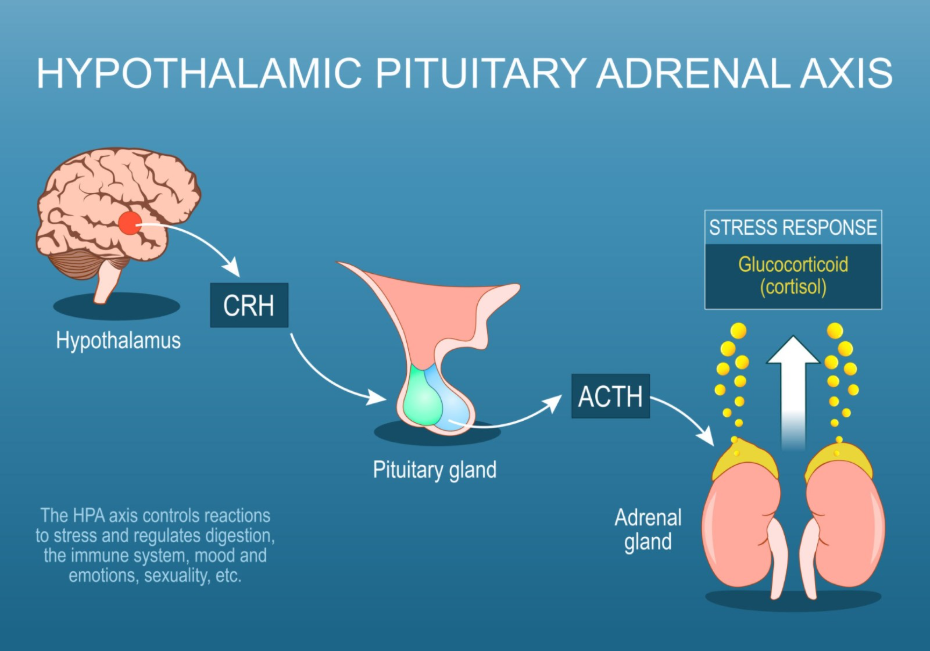
Awareness reduces the physiological impact of stigma by replacing unhelpful social misconceptions with factual medical information, which lowers the internalised stress and autonomic arousal often associated with having a health condition. In the United Kingdom, specialists recognise that the fear of judgment can act as a chronic environmental stressor, potentially worsening the underlying condition by maintaining high cortisol levels. NICE clinical guidelines for common mental health problems indicate that providing clear and factual information is a vital component of effective patient care and engagement.
| Awareness Aspect | Biological or Social Impact | Functional Outcome |
| Factual Education | Challenges internalised shame and stress. | Improved willingness to engage with clinicians. |
| Symptom Literacy | Identifies physical signs like sleep loss. | Faster access to primary care interventions. |
| Rights Awareness | Utilises legal protections at work or school. | Maintenance of professional and social roles. |
| Coping Knowledge | Promotes use of evidence-based tools. | Better regulation of the body’s stress response. |
| Social Connection | Reduces isolation-induced neurotoxicity. | Enhanced resilience through community support. |
In the UK, these education strategies are managed through integrated care plans that prioritise a person-centred approach. Identifying that negative social feedback is an external stressor helps the multidisciplinary team select the most effective management strategy. This professional oversight is essential for providing a safe and accurate understanding of the individual’s functional capability. By building a robust evidence base through clinical review, the healthcare system provides a secure environment for long-term health.
Proactive Autonomic Nervous System Regulation
Greater mental health awareness encourages proactive autonomic nervous system regulation by helping individuals recognise when their body is entering a state of hyper-vigilance or “fight or flight” due to environmental pressures. In the United Kingdom, healthcare professionals promote techniques such as mindfulness and diaphragmatic breathing, which are evidence-based tools used to stimulate the parasympathetic nervous system and restore biological calm.
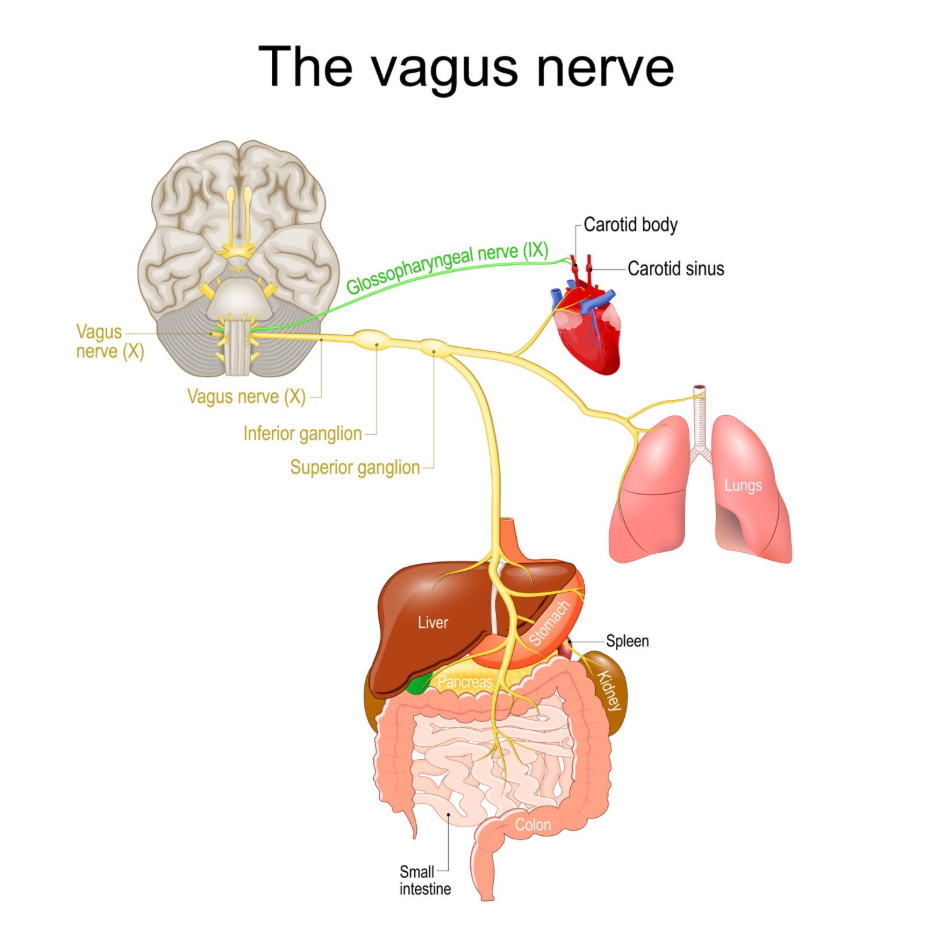
When people are aware of the physical markers of stress, they can implement these strategies before the nervous system becomes overwhelmed. In the UK, the focus is on providing a stable foundation where the individual’s environment is reviewed alongside their metabolic health. Identifying these underlying drivers allows for more targeted help that addresses the actual biological cause of distress. By utilised these professional frameworks, the UK system provides a life-long framework of support that adapts to the person’s needs.
Identifying Markers of Psychological Health
Identifying the markers of psychological health involves looking for a combination of physical and cognitive indicators that suggest the brain and body are maintaining a regulated and resilient state. In the United Kingdom, healthcare professionals focus on these signs to help individuals monitor their wellness and identify when they might need to access additional help networks.
Common markers of stability identified in the UK include:
- Cognitive Focus: Consistent ability to concentrate on work, education, or hobbies.
- Emotional Flexibility: Managing daily setbacks without intense or prolonged physical distress.
- Regulated Sleep: Maintaining a stable sleep-wake cycle and waking up feeling refreshed.
- Social Engagement: Feeling capable and desirous of maintaining healthy interpersonal links.
- Autonomic Calm: Absence of chronic muscle tension, racing heart, or shallow breathing.
- Physical Energy: Having sufficient metabolic resources to perform daily functional tasks.
In the UK, identifying these indicators early is vital for preventing the functional decline that often accompanies chronic health challenges. The integrated support framework encourages a strengths-based approach, focusing on what the individual needs to remain healthy. By utilised these professional frameworks, the healthcare system provides a secure environment for building professional and personal confidence. These strategies aim to work with the individual’s biology to restore a sense of calm.
Accessing Integrated NHS Support Pathways
The pathway for utilising awareness for prevention and support in the United Kingdom is a coordinated process involving primary care and local community services such as social prescribing. This journey ensures that every individual receives a thorough review of their history and current environment to build a bespoke recovery or maintenance plan. The GOV.UK health pages provide clinical profiles indicating that the monitoring of social and cognitive challenges is a priority for ensuring integrated support.
The UK integrated support pathway involves:
- Initial GP Consultation: Discussing health awareness and symptoms for a clinical review.
- Social Prescribing: Connecting with community groups to improve social connection and activity.
- Talking Therapies: Accessing evidence-based support such as Cognitive Behavioural Therapy (CBT).
- Physical Screening: Performing blood tests to rule out biological causes like thyroid issues.
- Integrated Care Planning: Co-ordinating between the GP, specialist teams, and the workplace.
- Regular Monitoring: Scheduled reviews to ensure that management strategies remain effective.
In the UK, the focus is on providing a stable foundation for the individual to move forward with self-understanding. The NHS ensures that adults and children have a consistent point of contact for their health needs while they navigate their lives. By utilised these integrated pathways, the healthcare system provides a secure environment for building long-term mental wellbeing across the UK population. These strategies aim to work with the individual’s biology to restore a sense of calm and purpose.
Conclusion
Mental health awareness is a fundamental component of prevention and support that empowers individuals to manage their biological stability and access professional care early. The NHS and professional bodies in the United Kingdom provide a robust system of multidisciplinary assessments to ensure that public awareness is supported by evidence-based clinical practice. By focusing on both the biological roots of symptoms and the need for supportive environments, the system promotes the highest possible level of independence. Following a coordinated management plan with the help of medical and psychological experts ensures that unique adult and paediatric needs are addressed holistically.
Does awareness really prevent illness?
While it may not prevent the cause, awareness leads to earlier intervention, which stops symptoms from becoming more severe or chronic.
How can I improve my mental health literacy?
Utilising verified sources like the NHS or NICE websites provides factual information about how conditions affect the body and mind.
Why is stigma considered a biological stressor?
The fear and isolation caused by stigma activate the body’s stress response, which can lead to physical health complications over time.
What is “social prescribing” in the NHS?
It is a service that helps you find local community activities and groups to improve your social wellbeing and resilience.
Can a GP help with my awareness goals?
Yes; a GP can provide factual information about your health and refer you to various support pathways or talking therapies.
Why do I need a blood test for a mental health concern?
Physical issues like vitamin deficiencies or hormonal imbalances can cause symptoms that mimic mental health conditions.
Who should I talk to first to explore support?
The first point of contact in the United Kingdom is usually your GP to discuss your health and explore available options.
Authority Snapshot (E-E-A-T)
This article provides medically factual health education regarding the importance of awareness, strictly aligned with NHS and NICE clinical guidelines. The content is developed by a professional medical writing team and reviewed by Dr. Stefan Petrov, a UK-trained physician with experience in multiple clinical specialties including emergency care, general surgery, and medical education. All information follows current UK public health protocols to ensure clinical accuracy and patient safety.
