
Seeking mental health check-ups even without severe symptoms is valuable because early clinical review allows for the identification of subtle biological shifts, prevents the escalation of mild distress into chronic conditions, and provides evidence-based tools for maintaining long-term functional stability. In the United Kingdom, proactive health management is a core component of the NHS framework. Utilising preventative care pathways ensures that the nervous system remains regulated.
What We’ll Discuss in This Article
- The biological rationale for preventative mental health reviews.
- Identifying subtle physiological markers of autonomic dysregulation.
- How early intervention protects brain neuroplasticity and cognitive function.
- The role of the UK primary care system in health maintenance.
- Comparing proactive wellness checks with acute crisis management.
- Navigating integrated NHS support pathways for non-urgent reviews.
The Biological Rationale for Preventative Reviews
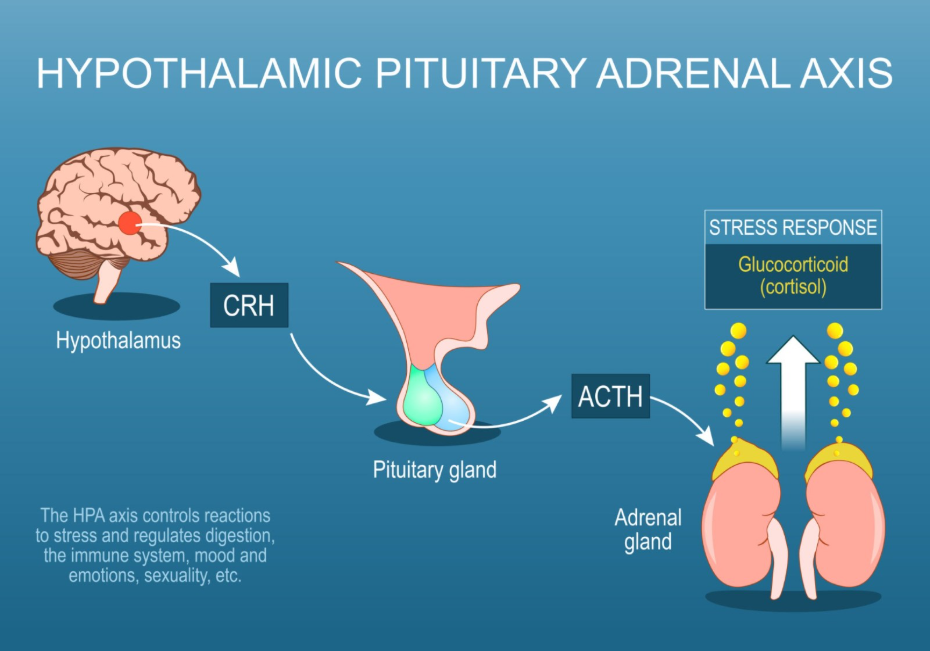
Preventative mental health check-ups are clinically significant because they enable healthcare professionals to monitor the body’s stress response systems before chronic activation leads to systemic health challenges or neurochemical imbalances. In the United Kingdom, medical practitioners identify that sub-clinical symptoms often reflect a nervous system under strain that may benefit from early lifestyle or psychological adjustments. The NHS states that looking after your mental health is just as important as looking after your physical health to help you stay well.
When an individual engages in a check-up, the clinician can assess baseline markers of wellbeing. In the UK, this professional framework provides a stable foundation for the health journey by identifying that prevention is a biological asset. By utilised these integrated pathways, the healthcare system ensures that every person’s profile is supported through evidence-based understanding. This coordinated effort prioritises the safety of the individual within a validated medical environment.
Identifying Subtle Markers of Dysregulation
Early check-ups focus on identifying subtle physiological and cognitive markers, such as minor sleep disturbances or reduced concentration, which suggest the autonomic nervous system is struggling to maintain homeostasis. In the United Kingdom, specialists recognise that these minor shifts are often the first indicators that the body’s compensatory mechanisms for stress are becoming overstretched. NICE clinical guidelines for common mental health problems indicate that a thorough assessment should consider the impact of even mild symptoms on an individual’s daily life.
| Marker Type | Subtle Indicator | Clinical Significance |
| Sleep | Slightly delayed sleep onset or restlessness. | Early disruption of the circadian rhythm. |
| Cognitive | Minor difficulty in multitasking or focus. | Reduced efficiency in prefrontal cortex tasks. |
| Physical | Occasional muscle tension in the jaw or neck. | Sympathetic nervous system hyper-arousal. |
| Metabolic | Mild fluctuations in appetite or energy. | Potential shifts in cortisol or glucose regulation. |
| Emotional | Increased irritability in social settings. | Lowered threshold for emotional regulation. |
In the UK, these biological markers are managed through integrated care plans that prioritise a person-centred approach. Identifying that minor tension is a biological response helps the multidisciplinary team select the most effective preventative strategy. This professional oversight is essential for providing a safe and accurate understanding of the individual’s health needs. By building a robust evidence base through clinical review, the healthcare system provides a secure environment for building long-term health.
Protecting Neuroplasticity and Cognitive Function
Early intervention through regular check-ups protects the brain’s neuroplasticity by preventing prolonged exposure to high levels of stress hormones, which can otherwise impact the structural integrity of regions like the hippocampus. In the United Kingdom, healthcare professionals focus on how proactive management preserves executive functions such as memory and logical reasoning. The GOV.UK health pages provide clinical profiles indicating that the monitoring of social and cognitive challenges is a priority for ensuring integrated support.
By addressing symptoms at a mild stage, individuals can utilise psychological tools like Cognitive Behavioural Therapy (CBT) more effectively. In the UK, the focus is on providing a stable foundation where the individual’s environment is reviewed alongside their metabolic health. Identifying these underlying drivers allows for more targeted help that addresses the actual biological cause of distress. By utilised these professional frameworks, the UK system provides a life-long framework of support that adapts to the person’s needs.
Proactive Wellness vs. Acute Crisis Management
Proactive wellness checks allow for the implementation of low-intensity interventions that are less disruptive to daily life than the intensive treatments required during an acute mental health crisis. In the United Kingdom, the healthcare system utilises a stepped-care model, which ensures that individuals receive the most appropriate level of support for their current state of health.
Advantages of proactive checks identified in the UK include:
- Broader Options: Access to a wider range of psychological and social interventions.
- Functional Maintenance: Staying in work or education without significant periods of absence.
- Biological Resilience: Strengthening the nervous system before it reaches a point of exhaustion.
- Relationship Stability: Managing communication and social links before strain becomes severe.
- Personal Autonomy: Making informed health decisions in a calm, non-crisis environment.
- Physical Health Protection: Reducing the long-term risk of stress-related cardiovascular issues.
In the UK, identifying these indicators early is vital for preventing the functional decline that often accompanies chronic health challenges. The integrated support framework encourages a strengths-based approach, focusing on what the individual needs to remain healthy. By utilised these professional frameworks, the healthcare system provides a secure environment for building professional and personal confidence. These strategies aim to work with the individual’s biology to restore a sense of calm.
Accessing Integrated NHS Support Pathways
The pathway for a mental health check-up in the United Kingdom is a coordinated process primarily managed through a local GP surgery or self-referral to NHS talking therapy services. This journey ensures that every individual receives a thorough review of their history and current environment to build a bespoke maintenance plan that supports their long-term wellness.
The UK integrated support pathway involves:
- GP Consultation: A standard review of physical and emotional health indicators.
- Self-Referral: Accessing NHS talking therapies directly for a non-urgent assessment.
- Physical Screening: Performing blood tests to rule out biological causes like anaemia.
- Social Prescribing: Connecting with community resources to improve social resilience.
- Lifestyle Review: Discussing sleep, nutrition, and activity levels with a healthcare professional.
- Regular Monitoring: Scheduled follow-ups to ensure that wellness strategies are effective.
In the UK, the focus is on providing a stable foundation for the individual to move forward with self-understanding. The NHS ensures that adults and children have a consistent point of contact for their health needs while they navigate their lives. By utilised these integrated pathways, the healthcare system provides a secure environment for building long-term mental wellbeing across the UK population. These strategies aim to work with the individual’s biology to restore a sense of calm and purpose.
Conclusion
There is significant clinical value in seeking mental health check-ups without severe symptoms as it promotes biological resilience and functional stability within the United Kingdom’s healthcare system. The NHS and professional bodies provide a robust framework of multidisciplinary assessments to help individuals maintain their health proactively. By focusing on both the biological roots of symptoms and the need for supportive environments, the system promotes the highest possible level of long-term independence. Following a coordinated management plan with the help of medical and psychological experts ensures that unique health needs are addressed holistically.
Can I book a GP appointment just for a mental health check?
Yes; in the UK, you can speak to your GP about your mental wellbeing even if you do not feel you are in a crisis.
What happens during a mental health check-up?
The clinician will ask about your mood, sleep, appetite, and how you are managing daily tasks to assess your health.
Why should I go if I feel mostly fine?
Proactive reviews can identify early signs of stress that you might have missed, helping you stay well for longer.
Do I have to take medication after a check-up?
No; for mild symptoms, the focus is often on talking therapies, lifestyle adjustments, and social support.
Will a check-up affect my employment?
No; your medical information is confidential, and proactively managing your health can actually help you stay in work.
Can a blood test help with a mental health review?
Yes; a GP may check for vitamin deficiencies or thyroid issues that can influence your mood and energy levels.
Who should I talk to first to arrange a review?
The first point of contact in the United Kingdom is usually your GP to discuss your health and explore various pathways.
Authority Snapshot (E-E-A-T)
This article provides medically factual health education regarding the value of proactive check-ups, strictly aligned with NHS and NICE clinical guidelines. The content is developed by a professional medical writing team and reviewed by Dr. Stefan Petrov, a UK-trained physician with experience in multiple clinical specialties including emergency care, general surgery, and medical education. All information follows current UK public health protocols to ensure clinical accuracy and patient safety.
