
A brain tumour can cause weakness or numbness by physically compressing or invading the specific areas of the brain that control muscle movement and sensory perception. The UK healthcare system utilise a structured diagnostic pathway, involving high-resolution imaging and specialist reviews, to determine if a mass is the underlying cause of such functional impairments. Understanding the relationship between brain health and physical sensation is essential for patients and their families to recognise when professional medical advice is required. By following evidence-based protocols established by the NHS and NICE, clinical teams aim to manage these symptoms while addressing the physical growth to preserve the patient’s mobility and long-term quality of life.
What We’ll Discuss in This Article
- The biological mechanism of tumour-induced motor and sensory disruption.
- The specific role of the motor cortex in managing physical strength.
- How tumours in the parietal lobe influence sensations of numbness.
- Distinguishing between temporary nerve issues and neurological mass effects.
- Management strategies for improving physical function and stability.
- UK clinical pathways for the urgent assessment of physical deficits.
Biological Mechanisms of Physical Disruption
Weakness and numbness occur in patients with brain tumours when the abnormal mass interferes with the delicate neural pathways that facilitate movement and sensation. These pathways consist of long nerve fibres that carry information between the brain and the rest of the body; when a tumour is present, it can cause “oedema,” which is a build-up of fluid that puts pressure on these fibres. The NHS states that a brain tumour can cause symptoms by increasing the pressure inside the skull or by damaging the part of the brain where the tumour is growing.
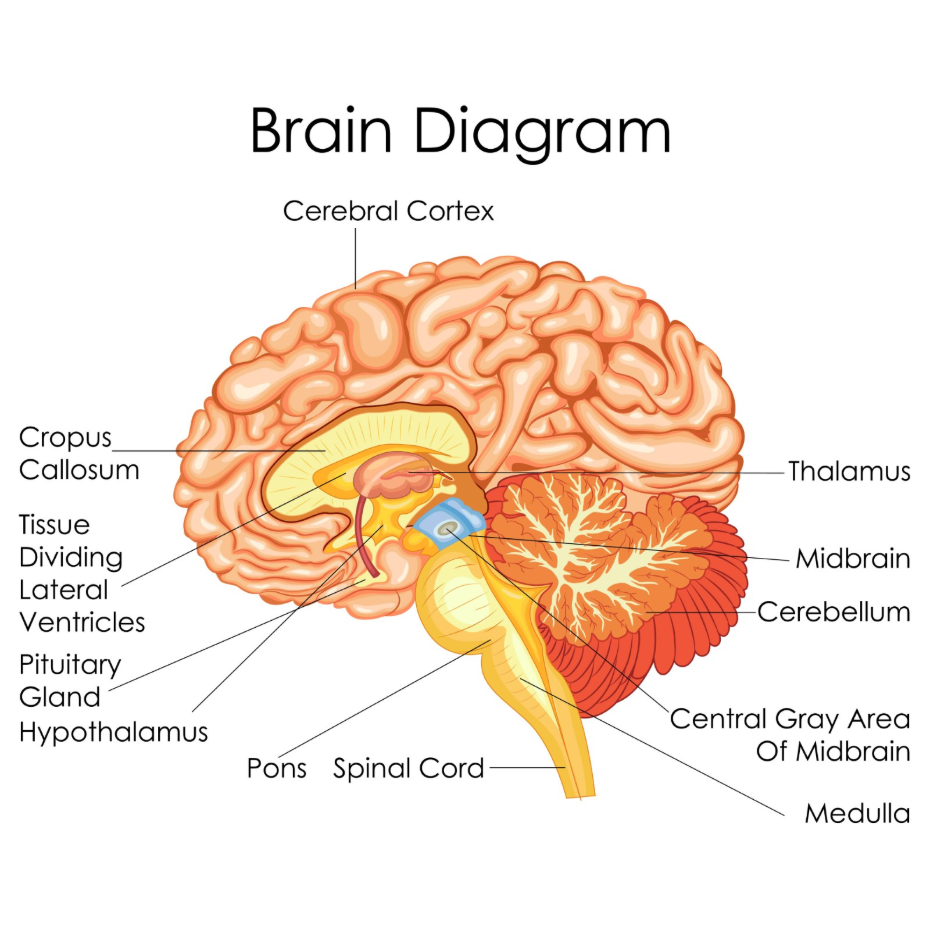
This physical interference can slow down or entirely block the electrical impulses required for a muscle to contract or for the brain to interpret a touch on the skin. Furthermore, as a tumour grows, it can disrupt the local blood supply to healthy neurons, leading to a temporary or permanent loss of function in the affected area. In the United Kingdom, clinicians assess these changes to determine if they follow a specific “focal” pattern, such as affecting only one side of the body. This distinction is vital for mapping the tumour’s exact location and determining the most appropriate management plan. By reducing the internal pressure and stabilising the neurological environment, medical teams aim to restore as much physical sensation and strength as possible.
The Motor Cortex and Physical Weakness
The motor cortex, located in the frontal lobe, is the primary region responsible for controlling voluntary muscle movements, making it a common site where a tumour can cause significant physical weakness. The brain is cross wired, meaning the left side of the brain controls the right side of the body, and vice versa.
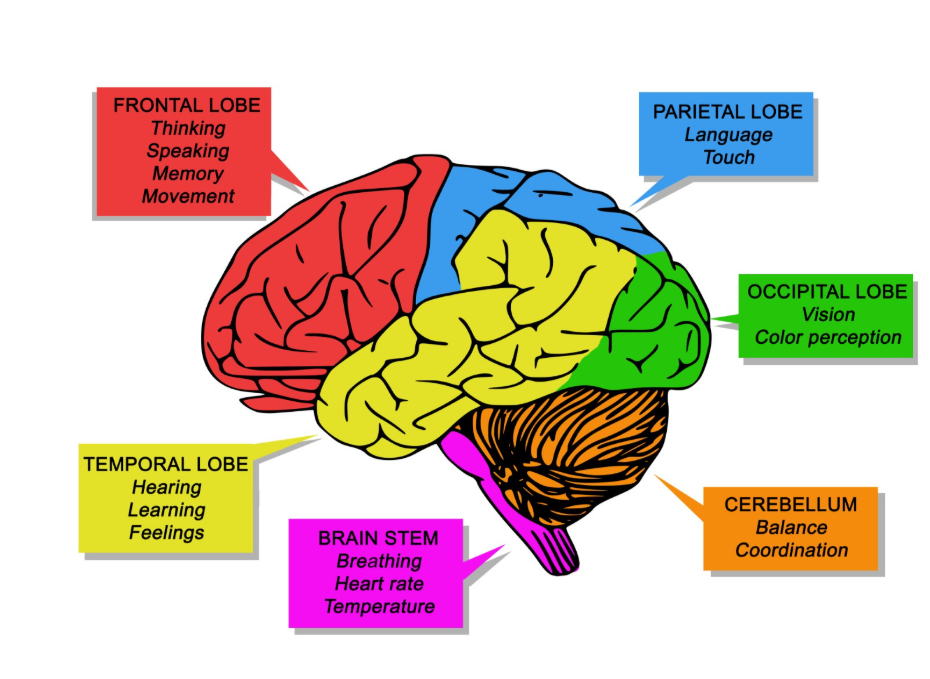
If a tumour develops in the motor cortex of the left hemisphere, an individual may experience weakness or a loss of coordination in their right arm, leg, or face. This weakness often develops gradually and may be noticed first during tasks requiring fine motor skills or physical exertion.
| Brain Area | Primary Physical Function | Common Symptom of Tumour |
| Frontal Lobe | Motor control and movement. | Weakness on one side of the body. |
| Parietal Lobe | Sensory processing (touch/pain). | Numbness, tingling, or “pins and needles”. |
| Brainstem | Signal transmission pathway. | Combined weakness and balance issues. |
| Spinal Cord | Main nerve highway. | Weakness in both legs or loss of sensation. |
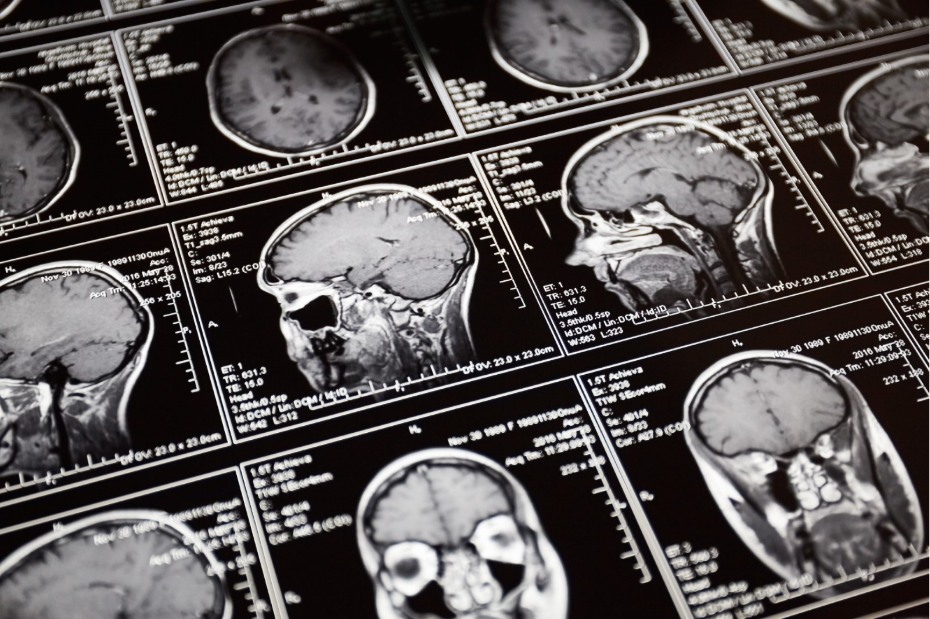
NICE clinical guidelines for brain tumours indicate that any new or progressive weakness, particularly if it affects only one side of the body, should be investigated urgently with brain imaging. Understanding these anatomical links allows UK specialists to provide a more accurate assessment of a patient’s physical challenges and to guide the subsequent management plan.
The Parietal Lobe and Sensory Numbness
Tumours located in the parietal lobe can cause persistent numbness, tingling, or a reduced ability to perceive temperature and pain because this area is the primary processing centre for sensory information. The parietal lobe interprets signals sent from the skin, muscles, and joints, allowing us to understand our physical environment.
A tumour in this region can lead to “sensory loss,” where an individual might feel as though a limb is “asleep” even when there is no obvious cause like poor posture. Some patients may also experience difficulty identifying objects by touch alone or may feel as though their limbs are in a different position than they actually are. In the United Kingdom, these symptoms are often investigated to differentiate them from peripheral nerve issues like carpal tunnel syndrome or sciatica. Because the parietal lobe is also involved in spatial awareness, a patient might bump into things on one side of their body without realising it. UK medical teams work to identify these specific triggers, ensuring that the patient receives a thorough neurological workup to confirm the origin of the sensory change.
Distinguishing Between Nerve Issues and Neurological Causes
In the UK clinical setting, it is important to distinguish between weakness or numbness caused by a local nerve problem and those caused by a structural issue in the brain. Most instances of numbness in the hands or feet are related to local issues like “trapped” nerves, diabetes, or circulation problems.
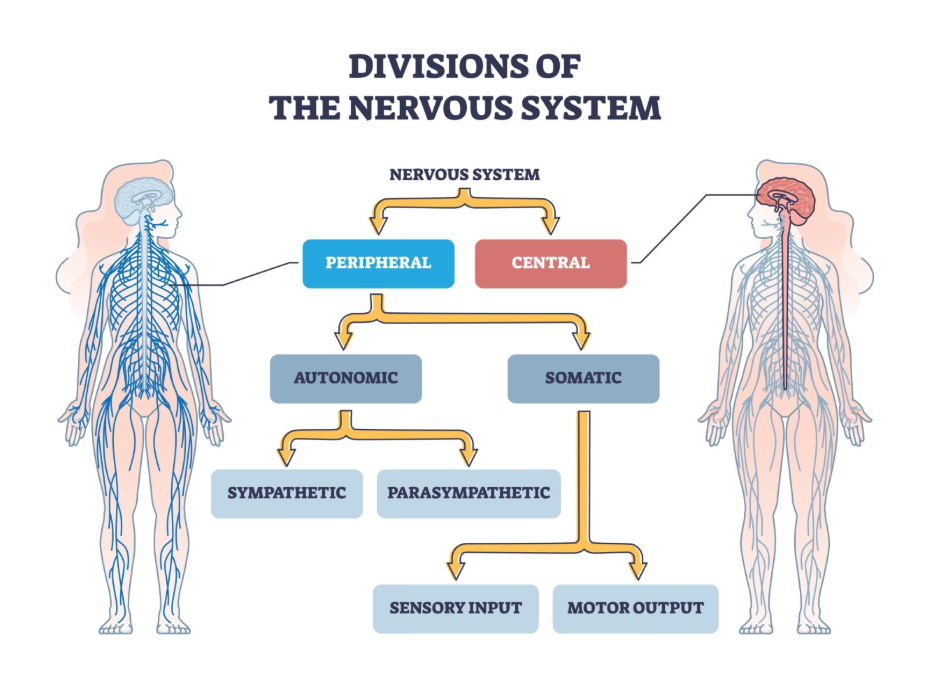
However, weakness or numbness caused by a brain tumour is often “focal” and “progressive,” meaning it affects one specific side of the body and gradually worsens over time. The GOV.UK health pages provide clinical profiles that describe how focal neurological deficits can be the first presenting signs of a brain tumour. A key indicator of a brain-based cause is if the physical symptoms are accompanied by other “red flags” such as persistent headaches, new seizures, or changes in personality. Clinicians use a detailed history and physical examination, including testing reflexes and muscle tone, to help make this distinction. While local nerve issues are common, identifying an organic brain cause for physical shifts allows for targeted medical interventions to alleviate the symptoms.
Management and Physical Rehabilitation in the UK
Management of weakness and numbness associated with a brain tumour in the United Kingdom involves a multidisciplinary approach that targets the underlying growth while providing intensive physical rehabilitation. Once the tumour is addressed through surgery, radiotherapy, or other methods, many patients see an improvement in their physical strength as the pressure on the brain decreases.
However, some physical changes may persist, requiring support from neuro-physiotherapists and occupational therapists. These professionals help patients regain strength through targeted exercises and provide adaptive equipment to assist with daily activities and mobility. In the UK, the NHS also provides access to specialist nurses who can guide families through the challenges of managing physical disabilities at home. Medications, such as steroids, may be used to reduce brain swelling, which can lead to a rapid improvement in physical function. This comprehensive care system ensures that the patient’s mobility and independence are prioritised alongside their physical recovery, fostering a holistic approach to neurological health.
UK Clinical Pathways for Physical Assessment
The United Kingdom uses integrated care pathways to ensure that patients reporting persistent or worsening weakness and numbness are assessed thoroughly for structural neurological causes. This typically begins with a GP review, where a neurological examination is performed to check muscle strength, coordination, and sensory responses.
The UK diagnostic pathway includes:
- Initial GP Assessment: Review of the history and duration of the physical changes.
- Neurological Examination: Testing for focal signs like limb weakness or sensory loss.
- Urgent Referral: Fast-tracked access to brain imaging if a structural cause is suspected.
- MDT Discussion: A Multidisciplinary Team of experts determining the best management plan.
This structured system ensures that serious conditions are identified early, providing a clear route for those whose physical shifts are related to a brain growth. By following these national protocols, the NHS provides a safety net that catches complex neurological issues while offering reassurance and support to the patient and their family throughout the diagnostic and management journey.
Conclusion
A brain tumour can cause weakness or numbness by disrupting the specific lobes responsible for motor control and sensory processing, particularly the frontal and parietal lobes. These shifts often manifest as weakness on one side of the body or persistent tingling and are a direct result of physical pressure or invasion of brain tissue. In the UK, the NHS provides a clear pathway for investigating these changes to identify if a structural growth is the underlying cause. While these physical symptoms can be challenging, they are often managed effectively through a combination of medical treatment and specialist rehabilitation. If you experience severe, sudden, or worsening symptoms, call 999 immediately.
Is every tingling sensation a sign of a brain tumour?
No; tingling is far more commonly caused by sitting in one position too long, vitamin deficiencies, or common conditions like migraines.
Can weakness be the only symptom of a brain tumour?
Yes, in some cases, a slow-growing tumour in the motor cortex may cause a gradual loss of strength before any other symptoms appear.
Will my strength go back to normal after treatment?
Many patients experience an improvement in strength once the pressure on the brain is relieved, though some may need long-term physiotherapy.
How can I tell if my numbness is serious?
In the UK, you should see a GP if the numbness is persistent, affects one side of your body, or is accompanied by other neurological signs.
Do benign tumours cause fewer physical symptoms?
Physical impact depends more on the tumour’s location and the pressure it creates than on whether the cells are cancerous or benign.
Can medication cause weakness in tumour patients?
Yes; some treatments, or the sudden reduction of certain medications like steroids, can occasionally affect muscle strength or energy levels.
Are children’s physical symptoms different from adults’?
Children may show signs like losing the ability to perform a previously learned task, such as walking or using a spoon.
Authority Snapshot (E-E-A-T)
This article provides medically factual health education regarding brain tumours and physical symptoms, strictly aligned with NHS and NICE clinical guidelines. The content is developed by a professional medical writing team and reviewed by Dr. Stefan Petrov, a UK-trained physician with experience in emergency care, surgery, and clinical education. All information follows current UK public health protocols to ensure clinical accuracy and patient safety.
