
Brain tumours occur when abnormal cells multiply within the skull, and while the exact cause for most cases is unknown, certain factors may increase an individual’s likelihood of development. This article outlines established medical risk factors recognised by UK health authorities and clarifies common misconceptions regarding environmental triggers. Understanding these factors is essential for providing clear, factual information to the public and supporting those undergoing diagnostic investigations. By following protocols established by the NHS and NICE, clinicians aim to identify significant risks while maintaining a neutral and restrained perspective on tumour prevention. The UK healthcare system utilise a structured approach to assessing patient history, ensuring that those with known risks are monitored according to national clinical standards.
What We’ll Discuss in This Article
- The relationship between increasing age and the incidence of brain tumours.
- Medical exposure to high doses of ionising radiation as a risk factor.
- Inherited genetic conditions and rare family syndromes.
- The impact of a previous cancer diagnosis on the risk of secondary tumours.
- Scientific evidence regarding environmental factors like mobile phones.
- Standard clinical pathways used in the UK for monitoring high-risk patients.
Age and Demographic Trends
The risk of developing a primary brain tumour increases as a person gets older, with the majority of diagnoses occurring in those aged 75 and over. While brain tumours can affect individuals at any stage of life, including children, the biological types often differ between age groups. The NHS states that brain tumours are more common in older adults, although they can happen at any age.
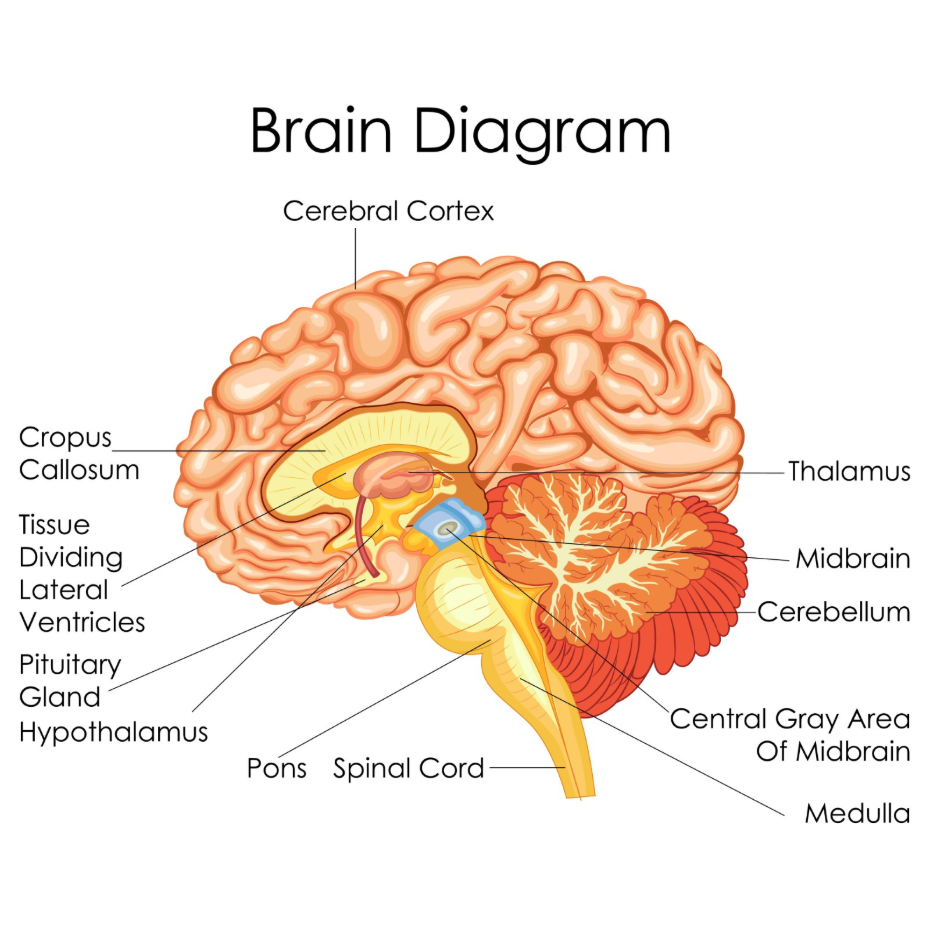
In older populations, the body’s ability to repair cellular damage may decrease, leading to an accumulation of mutations that can cause abnormal cell growth. Statistics from UK health registries indicate that incidence rates peak in the late eighties. Conversely, in childhood, brain tumours are the second most common cancer, yet the absolute number of cases remains lower than in the elderly. This demographic distribution helps the NHS focus diagnostic resources where they are most required while providing age-appropriate care pathways.
Exposure to Ionising Radiation
Exposure to high doses of ionising radiation is a clearly established risk factor for certain types of brain tumours, specifically for individuals who have undergone previous medical treatments. This typically refers to therapeutic radiation, such as radiotherapy used to treat other cancers or formerly used for certain scalp conditions in the mid-twentieth century. NICE clinical guidelines for brain tumours indicate that previous exposure to therapeutic ionising radiation is a known factor that increases risk.
It is essential to distinguish between high-dose medical radiation and the low-dose radiation encountered in daily life. Routine diagnostic procedures like dental X-rays or standard chest X-rays involve very low levels of radiation and are not considered significant risk factors. In the United Kingdom, clinicians carefully review a patient’s medical history to identify any past radiotherapy to the head or neck area. This history is vital for determining the necessity of further neurological investigations if symptoms later develop.
Genetic Factors and Inherited Syndromes
A small proportion of brain tumours are linked to rare inherited genetic conditions that are passed down through families. These syndromes involve specific gene mutations that make an individual significantly more susceptible to developing tumours within the central nervous system and other organs.
| Syndrome Name | Primary Genetic Link | Associated Tumour Types |
| Neurofibromatosis Type 1 | NF1 gene mutation | Optic gliomas; nerve sheath tumours |
| Neurofibromatosis Type 2 | NF2 gene mutation | Acoustic neuromas; meningiomas |
| Tuberous Sclerosis | TSC1 or TSC2 genes | Astrocytomas |
| Li-Fraumeni Syndrome | TP53 gene mutation | Various high-grade gliomas |
| Turcot Syndrome | Mismatch repair genes | Medulloblastomas; glioblastomas |
In the United Kingdom, it is estimated that less than five per cent of brain tumours have an inherited genetic cause. Most cases are sporadic, meaning they occur randomly without a family link. However, for those with a confirmed genetic syndrome, the NHS provides integrated care pathways including regular surveillance scans and genetic counselling. This ensures that any growths are identified early, allowing for proactive clinical management within specialist neuro-oncology centres.
Previous Cancer and Secondary Tumours
Having a history of cancer in another part of the body is a major risk factor for developing a secondary brain tumour, also known as a brain metastasis. Secondary tumours occur when cancer cells from an original site, such as the lungs, breasts, or kidneys, travel through the bloodstream and settle in the brain tissue. GOV.UK health pages indicate that secondary brain tumours are more common in adults than primary brain tumours and are often associated with advanced primary cancers.
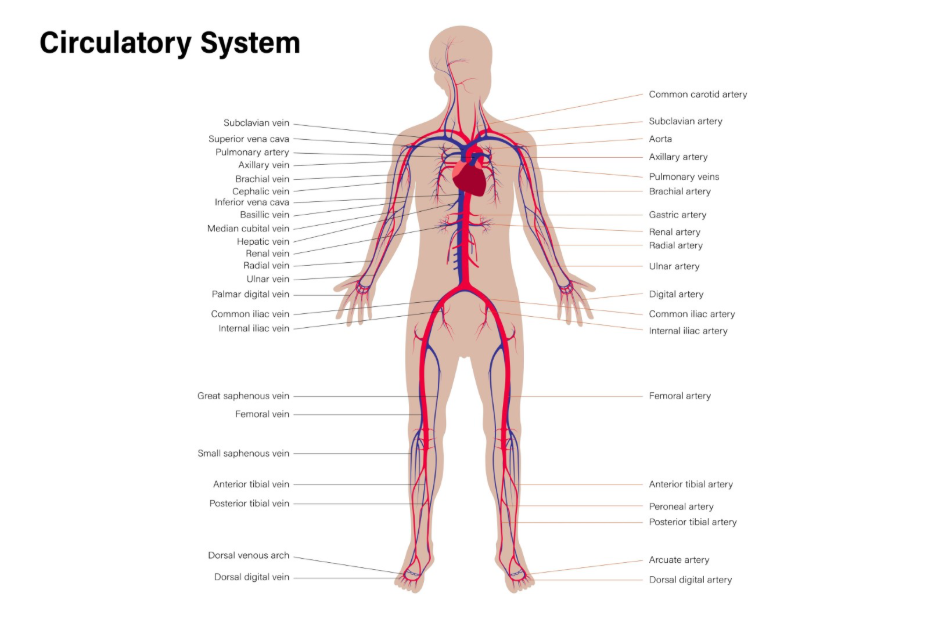
As treatments for primary cancers improve and people live longer, the window for cells to spread to the brain increases. This is why regular follow-up and symptom monitoring are vital for anyone with a history of malignancy. In these cases, the tumour in the brain is composed of the same cells as the original cancer. UK clinical teams use a multidisciplinary approach to manage these patients, ensuring that both the primary disease and the neurological spread are addressed in a coordinated care plan.
Clarifying Environmental and Lifestyle Myths
Current scientific evidence in the United Kingdom does not support a link between brain tumours and common environmental factors such as mobile phones, power lines, or WiFi. Extensive large-scale studies conducted internationally have not found a definitive causal relationship between the non-ionising radiation emitted by mobile devices and an increased risk of brain tumours.
Research has also investigated but not proven links to the following:
- Head Injuries: No evidence suggests that a bump or trauma to the head causes a tumour.
- Dietary Choices: No specific foods or nutrients are linked to the development of these growths.
- Smoking and Alcohol: While major risks for other cancers, they are not established risks for primary brain tumours.
- Stress: There is no evidence that psychological stress causes brain tumours to form.
UK health authorities rely on peer-reviewed, long-term epidemiological data to inform public health advice. By focusing on established medical risks, the NHS ensures that the general public receives factual information rather than speculative theories. This approach prevents unnecessary alarm while maintaining focus on significant risks that require clinical oversight.
UK Clinical Pathways for Risk Management
The United Kingdom uses integrated care pathways to identify and monitor individuals with high-risk profiles, ensuring rapid access to diagnostic services if neurological symptoms appear. This process begins in primary care, where a GP assesses a patient’s medical and family history.
The UK risk assessment pathway involves:
- Comprehensive History: Identifying past radiotherapy or rare genetic syndromes.
- Red Flag Awareness: Educating at-risk patients on symptoms like new seizures or persistent morning headaches.
- Specialist Genetics Referral: Accessing regional genetic centres for families with suspected inherited conditions.
- Surveillance Imaging: Regular MRI or CT scans for those in specific high-risk categories.
This structured system ensures that those with a higher statistical likelihood of developing a tumour are managed with appropriate vigilance. By following these national protocols, the NHS maintains a safety net that prioritises early detection while providing balanced information. This evidence-based approach ensures that significant risk factors are addressed through professional clinical oversight.
Conclusion
Primary risk factors for brain tumours in the UK include increasing age and previous exposure to high-dose medical radiation, with a small minority of cases linked to inherited genetic syndromes. While a history of other cancers significantly increases the risk of secondary tumours, most primary brain tumours are the result of random genetic changes. Current scientific evidence does not support links to mobile phones or other common environmental concerns. If you experience severe, sudden, or worsening symptoms, call 999 immediately.
If my relative had a brain tumour, will I get one?
Most brain tumours are not hereditary, and your risk is usually the same as the general population unless a specific genetic syndrome is present.
Can dental X-rays cause brain tumours?
Modern dental X-rays use very low doses of radiation and are not considered a significant risk factor for tumour development.
Are certain jobs more at risk?
Some studies have looked at chemical exposures in specific industries, but no occupational links have been conclusively proven in the UK.
How often should I have a scan if I have a genetic risk?
The frequency of surveillance scans is determined by a specialist based on the specific condition and individual clinical needs.
Does using an earpiece with a mobile phone reduce risk?
While there is no proven link between phones and tumours, using an earpiece reduces exposure to radiofrequency waves if you have concerns.
Can vitamins prevent brain tumours?
There is no clinical evidence that any specific vitamins or dietary supplements can prevent the development of a brain tumour.
Are brain tumours more common in men or women?
The incidence varies by tumour type; for instance, meningiomas are more common in women, while medulloblastomas are more common in males.
Authority Snapshot (E-E-A-T)
This article provides medically factual health education regarding brain tumour risk factors, strictly aligned with NHS and NICE clinical guidelines. The content is developed by a professional medical writing team and reviewed by Dr. Stefan Petrov, a UK-trained physician with experience in surgery, emergency care, and clinical education. All information follows current UK public health protocols to ensure clinical accuracy and patient safety.
