
The low FODMAP diet is one of the most effective clinical interventions for managing the symptoms of Irritable Bowel Syndrome. FODMAP is an acronym for Fermentable Oligosaccharides, Disaccharides, Monosaccharides, and Polyols, which are types of short chain carbohydrates that are poorly absorbed by the small intestine. In people with a sensitive gut, these sugars travel to the large intestine where they are fermented by bacteria, causing the bowel to stretch and trigger pain. In the United Kingdom, the low FODMAP approach is recommended by the National Institute for Health and Care Excellence as a secondary dietary strategy for those who do not find relief through general healthy eating adjustments.
What We Will Discuss in This Article
- The biological mechanism of how FODMAP carbohydrates affect the gut
- Why fermentation and osmotic pressure lead to IBS symptoms
- The three distinct phases of the low FODMAP dietary protocol
- Distinguishing between a permanent diet and a diagnostic tool
- Common high FODMAP foods and their low FODMAP alternatives
- The importance of professional supervision by a registered dietitian
- How the diet helps reduce visceral hypersensitivity over time
The Science Behind FODMAPs
FODMAPs cause digestive distress through two primary physical mechanisms: osmosis and fermentation.
Osmotic Pressure
Because FODMAPs are small molecules that are not easily absorbed, they are osmotically active. This means they pull water into the small and large intestines as they pass through. This excess water can speed up gut motility, leading to the urgency and diarrhoea commonly seen in IBS D.
Bacterial Fermentation
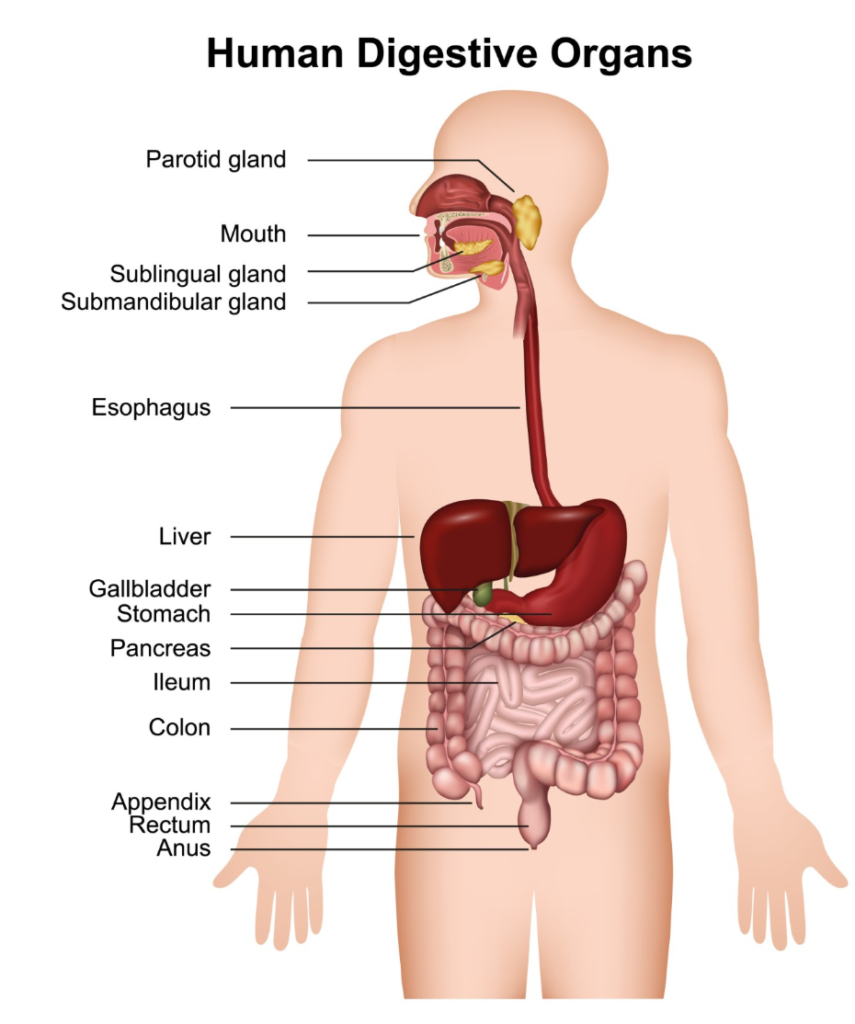
When these undigested carbohydrates reach the colon, they become a food source for the trillions of bacteria living there. The bacteria rapidly ferment the sugars, producing gases like hydrogen and methane. In a healthy gut, this process might go unnoticed, but in someone with IBS, the resulting gas causes the bowel wall to stretch. Due to visceral hypersensitivity, this stretching is perceived as intense bloating and sharp abdominal pain.
The Three Phases of the Diet
The low FODMAP diet is not intended to be a forever diet; it is a structured three phase process designed to identify specific personal triggers.
Phase 1: Elimination
For a period of two to six weeks, all high FODMAP foods are replaced with low FODMAP alternatives. The goal is to calm the gut and achieve a significant reduction in symptoms. Most patients see an improvement within the first few weeks as the gas production and osmotic pressure decrease.
Phase 2: Reintroduction
Once symptoms are stable, specific FODMAP groups are reintroduced one at a time in controlled amounts. This phase is crucial as it identifies exactly which types of carbohydrates you are sensitive to and in what quantities.
Phase 3: Personalisation
The final phase involves reintroducing all well tolerated foods back into the diet while only restricting the specific triggers identified in phase two. This ensures the diet remains as diverse and nutritionally balanced as possible.
Common Food Swaps
Understanding which foods to swap is the first step toward successfully implementing the protocol.
| High FODMAP Food | Low FODMAP Alternative |
| Onion and Garlic | Chives, spring onion tops, or garlic infused oil |
| Wheat Bread | Gluten free bread or sourdough spelt |
| Apples and Pears | Strawberries, grapes, or oranges |
| Cows Milk | Lactose free milk or almond milk |
| Beans and Lentils | Firm tofu or canned lentils well rinsed |
| Honey | Maple syrup or table sugar |
Emergency Guidance
While dietary changes help manage functional symptoms, they cannot treat organic diseases. You must be aware of red flag symptoms that require immediate clinical review.
If you experience severe, sudden, or worsening symptoms, call 999 immediately.
Seek an urgent appointment with your GP if you notice:
- Unexplained and unintentional weight loss
- Rectal bleeding or blood in your stool
- A hard lump or swelling in your abdomen
- Symptoms that regularly wake you from sleep at night
- Signs of anaemia such as extreme fatigue or pale skin
The Importance of Professional Guidance
The low FODMAP diet is highly restrictive and can lead to nutritional deficiencies or a disruption of the gut microbiome if followed incorrectly for too long.
In the United Kingdom, it is strongly advised that you undertake this diet under the guidance of a registered dietitian. They ensure that you are meeting your requirements for fibre, calcium, and B vitamins while navigating the elimination and reintroduction phases. Furthermore, before starting the diet, a GP must rule out coeliac disease through a blood test, as the low FODMAP diet naturally reduces gluten and can lead to false negative test results.
To Summarise
The low FODMAP diet helps IBS by reducing the intake of fermentable carbohydrates that pull water into the gut and produce excess gas through bacterial fermentation. By following the structured phases of elimination, reintroduction, and personalisation, you can identify your specific triggers and regain control over your digestive health. While highly effective, the diet should be used as a diagnostic tool rather than a permanent restriction, ideally with the support of a healthcare professional to ensure long term nutritional safety.
How long does it take for the low FODMAP diet to work?
Most people notice a significant reduction in bloating and pain within one to four weeks of strictly following the elimination phase.
Can I do the low FODMAP diet without a dietitian?
It is possible with reliable apps and resources, but a dietitian is recommended to ensure you reintroduce foods correctly and maintain nutritional balance.
Is low FODMAP the same as gluten free?
No. While many gluten free products are low FODMAP because they lack wheat, the diet targets carbohydrates known as fructans rather than the protein gluten found in grains.
Why are onions and garlic such big triggers?
They are very high in fructans, a type of FODMAP that is 100 percent malabsorbed in all humans, leading to significant gas production in sensitive individuals.
Can I stay on the elimination phase forever?
No. Many high FODMAP foods are prebiotics that feed healthy gut bacteria. Restricting them long term can negatively affect your microbiome.
Does the diet help with constipation?
Yes, though it is often more effective for bloating and diarrhoea. Those with constipation must ensure they maintain high fibre intake through low FODMAP sources like kiwifruit and oats.
What happens if I make a mistake during elimination?
A single mistake will not ruin the process. Simply return to the low FODMAP plan for your next meal and continue as normal.
Authority Snapshot
This article was reviewed by Dr. Stefan Petrov, a UK trained physician with an MBBS and extensive experience in general medicine, surgery, and emergency care. Dr. Petrov has worked in hospital wards and intensive care units, performing complex diagnostic procedures for gastrointestinal conditions. He specialises in medical education and ensuring that patients understand the clinical pathways for managing functional disorders through evidence based dietary interventions like the low FODMAP protocol.
