
Coeliac disease is a serious autoimmune condition where the immune system attacks the body own tissues when gluten is consumed. Gluten is a protein found in wheat, barley, and rye. In individuals with coeliac disease, this immune response causes significant damage to the lining of the small intestine, specifically the villi. Villi are small, finger like projections that are essential for absorbing nutrients from food.
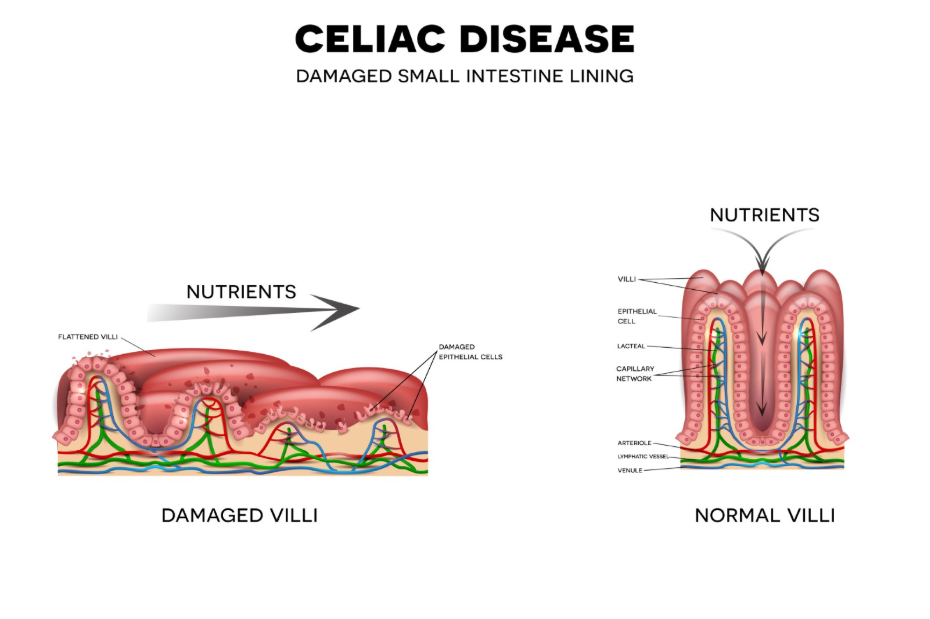
When these villi are flattened or destroyed due to inflammation, the body becomes unable to absorb vital nutrients such as iron, calcium, and vitamins. This state of malabsorption can lead to a wide range of systemic health issues if left untreated. Coeliac disease is not a food allergy or a simple intolerance; it is a lifelong medical condition that requires strict clinical management. This guide explores the biological mechanisms, symptoms, and the pathway to diagnosis for those living with the condition.
what we will discuss in this article
- The autoimmune mechanism and intestinal damage
- Common gastrointestinal and systemic symptoms
- The role of genetics and environmental triggers
- The clinical diagnostic pathway including blood tests and biopsy
- Long term health complications of untreated coeliac disease
- Management through a strict gluten free lifestyle
- emergency guidance for identifying signs of health deterioration
The autoimmune response and the small intestine
The primary site of damage in coeliac disease is the small intestine. When someone with the condition eats gluten, their immune system identifies the protein as a threat.
The resulting inflammation leads to villous atrophy, where the intestinal lining becomes smooth. This reduction in surface area prevents the effective transfer of nutrients into the bloodstream. Clinically, this process is monitored through specific antibody levels in the blood and confirmed by observing the physical state of the intestinal tissue. Because the damage is cumulative, even tiny amounts of gluten can trigger an inflammatory response that hinders healing.
Recognising the symptoms
Coeliac disease is often described as a multi system disorder because symptoms can appear anywhere in the body, not just in the digestive tract.
Gastrointestinal symptoms
Many patients experience classic digestive issues, including:
- Chronic diarrhoea or constipation
- Abdominal pain and cramping
- Persistent bloating and wind
- Nausea and vomiting
Systemic symptoms
Because of malabsorption, many individuals suffer from non digestive issues:
- Unexplained weight loss
- Extreme fatigue and lethargy
- Iron deficiency anaemia
- Skin rashes, specifically dermatitis herpetiformis
- Mouth ulcers and tooth enamel defects
The clinical diagnostic pathway
Getting a formal diagnosis is a specific process that must be followed carefully to ensure accuracy.
It is vital that individuals do not remove gluten from their diet before testing, as this can lead to false negative results. The standard pathway involves:
- Initial Blood Tests: A GP will check for specific antibodies, such as Tissue Transglutaminase (tTG).
- Genetic Testing: In some cases, tests for the HLA-DQ2 or HLA-DQ8 genes are used to rule the condition out.
- Endoscopy and Biopsy: If blood tests are positive, a specialist usually performs an endoscopy to take a small tissue sample from the small intestine to confirm villous atrophy.
Long term health complications
If coeliac disease is not diagnosed or if a gluten free diet is not followed, the chronic inflammation can lead to severe long term health problems.
Untreated coeliac disease increases the risk of developing osteoporosis due to poor calcium absorption. It can also lead to iron deficiency anaemia, which causes chronic exhaustion and shortness of breath. In rare and severe cases, long term untreated coeliac disease is linked to an increased risk of certain types of small bowel cancer and other autoimmune conditions, such as Type 1 diabetes or autoimmune thyroid disease.
Comparison of coeliac disease and gluten intolerance
| Feature | Coeliac Disease | Non Coeliac Gluten Sensitivity |
| Immune Response | Autoimmune (IgA/IgG) | Non autoimmune |
| Intestinal Damage | Yes (Villous Atrophy) | No |
| Diagnostic Marker | tTG Antibodies and Biopsy | Diagnosis of exclusion |
| Long Term Risks | Malnutrition and Malignancy | Generally low |
| Treatment | Strict lifelong gluten free diet | Gluten reduction or avoidance |
Managing the condition
The only effective treatment for coeliac disease is a strict, lifelong gluten free diet. There are currently no medications that can cure the condition or prevent the immune response once gluten is ingested.
Following a gluten free diet involves avoiding all foods containing wheat, barley, and rye. This includes many processed foods where gluten is used as a thickener or stabiliser. Cross contamination in kitchens is also a significant concern, as even a crumb of bread can be enough to trigger an immune response in sensitive individuals. Most patients find that their symptoms improve significantly within weeks of starting the diet, though complete healing of the intestine can take several months to years.
To summarise
Coeliac disease is a complex autoimmune condition that requires formal clinical diagnosis and lifelong dietary management. By understanding the symptoms and following the correct diagnostic pathway, individuals can stop the damage to their small intestine and prevent long term complications. While the transition to a gluten free lifestyle can be challenging, it is the most effective way to restore nutrient absorption and maintain overall health. With the right support from healthcare professionals and dietitians, people with coeliac disease can lead full and healthy lives.
emergency guidance
While coeliac disease is generally managed through diet, certain symptoms require immediate medical attention. Call 999 or go to your nearest accident and emergency department if you experience severe, unrelenting abdominal pain accompanied by a rigid or tender stomach, as this could indicate a bowel perforation or obstruction. Additionally, seek emergency help if you experience signs of severe dehydration, such as fainting or a rapid heart rate, following a period of intense vomiting or diarrhoea. Any sudden, profound weakness or a significant change in mental state should also be evaluated urgently by a physician.
Can coeliac disease be outgrown?
No. Coeliac disease is a lifelong autoimmune condition. Even if symptoms disappear on a gluten free diet, the immune system will still react if gluten is reintroduced.
Is coeliac disease the same as a wheat allergy?
No. A wheat allergy is an immediate immune reaction to wheat proteins, whereas coeliac disease is a delayed autoimmune response that specifically damages the small intestine.
Does a gluten free diet help everyone?
For people with coeliac disease, it is essential. For those without the condition or a sensitivity, there is no clinical evidence that a gluten free diet provides extra health benefits.
Can I have coeliac disease without any symptoms?
Yes. Some people have silent coeliac disease, where they have no obvious symptoms but still suffer from intestinal damage and malabsorption.
How soon after eating gluten do symptoms start?
The timing varies. Some people feel unwell within hours, while others may not notice symptoms for a day or two after ingestion.
Is coeliac disease hereditary?
Yes. There is a strong genetic component. If a first degree relative has the condition, your chances of having it increase to about 1 in 10.
Authority Snapshot
Dr. Stefan Petrov is a UK trained physician with an MBBS and postgraduate certifications including Basic Life Support BLS, Advanced Cardiac Life Support ACLS, and the UK Medical Licensing Assessment PLAB 1 and 2. He has hands on experience in general medicine, surgery, anaesthesia, ophthalmology, and emergency care. Dr. Petrov has worked in both hospital wards and intensive care units, performing diagnostic and therapeutic procedures, and has contributed to medical education by creating patient focused health content and teaching clinical skills to junior doctors.
