




Acid reflux and gastritis are prevalent digestive health concerns in the United Kingdom that are frequently influenced by daily habits and environmental factors. While medical treatments are often necessary for managing acute flare-ups, the long-term prevention of these conditions relies heavily on structured lifestyle modifications. These adjustments aim to reduce the physical pressure on the stomach and food pipe while minimising the chemical irritants that can damage the gastric lining. In the UK, healthcare professionals prioritise conservative management as a primary defence against recurring indigestion and inflammation. By adopting specific habits related to eating, physical activity, and substance use, individuals can create a more stable internal environment that supports digestive health. Understanding the relationship between lifestyle and gastric function is essential for anyone seeking to maintain comfort and prevent the development of chronic digestive complications.
What We’ll Discuss in This Article
- Modifying eating patterns to reduce abdominal pressure
- Identifying and managing dietary triggers
- The impact of weight management on gastric health
- Postural adjustments for preventing nighttime reflux
- The role of smoking and alcohol cessation in gastric protection
- Managing the use of specific medications to avoid irritation
Adopting healthier eating habits and maintaining a healthy weight are the most effective lifestyle changes for preventing reflux and gastritis
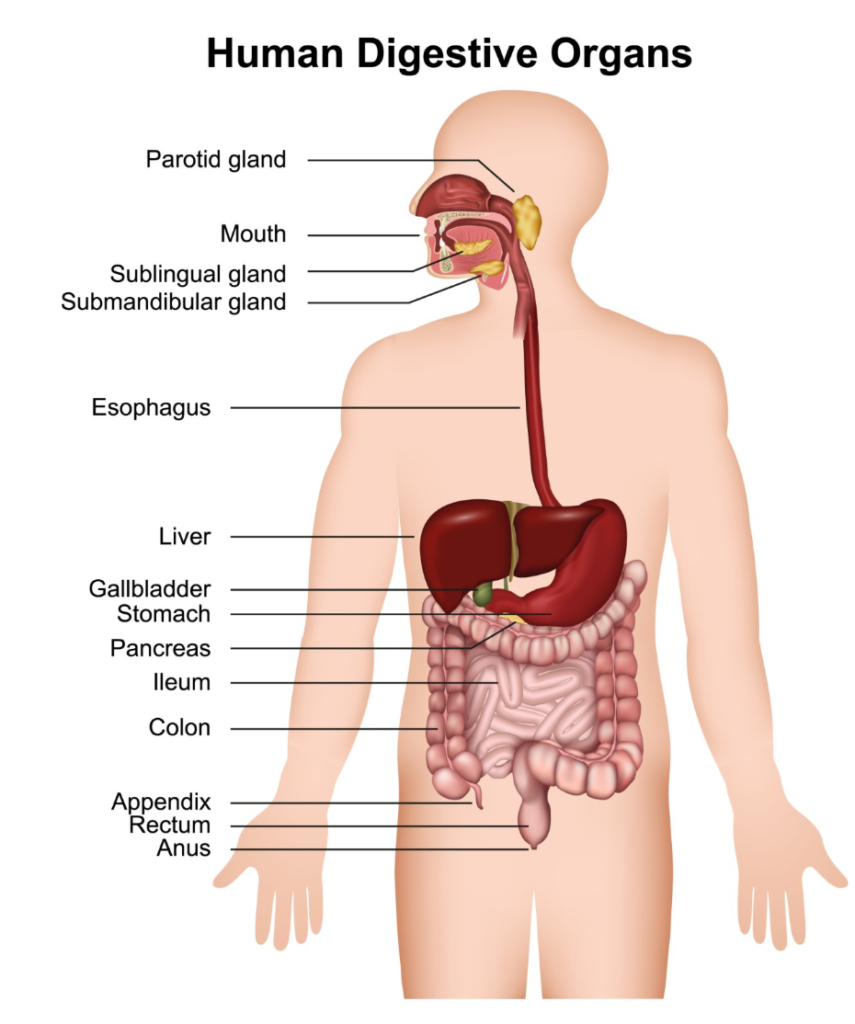
Preventative management focuses on reducing the mechanical and chemical stressors that lead to stomach acid entering the food pipe or irritating the stomach lining. Heartburn and acid reflux are common symptoms that can be managed by losing weight if you are overweight because excess body fat increases the pressure on your stomach. This increased pressure can physically force acid through the valve at the bottom of the food pipe, especially after large meals. By implementing gradual weight loss and shifting toward smaller, more frequent portions, individuals can significantly decrease the frequency of reflux episodes and provide the stomach lining with a more stable environment for functioning.
Modifications to eating and drinking patterns
The timing and volume of food consumption are critical factors in the prevention of gastric distress. Eating large, heavy meals puts excessive strain on the stomach and stimulates higher levels of acid production, which can lead to both reflux and gastritis. Specific lifestyle changes like eating smaller, more frequent meals instead of three large meals a day can help prevent symptoms by ensuring the stomach is never over distended. Furthermore, it is advised to avoid eating for at least three hours before going to bed. This practice ensures that the stomach is relatively empty when lying flat, which reduces the likelihood of acid leaking into the oesophagus during sleep.
Reducing exposure to chemical irritants
Certain substances are known to directly irritate the stomach lining or relax the muscular valve that keeps acid where it belongs. Smoking and alcohol are two of the most significant irritants identified in UK clinical guidance. Gastritis is a common condition where the stomach lining becomes inflamed, and avoiding alcohol and tobacco is considered essential for both prevention and recovery. Tobacco use relaxes the lower oesophageal sphincter and reduces the production of protective saliva, while alcohol directly erodes the mucosal barrier of the stomach. Reducing or eliminating these substances provides the digestive system with the best opportunity to remain resilient against acid damage.
Postural adjustments and physical habits
Simple changes to how you position your body during and after meals can have a profound impact on preventing acid backflow. Gravity plays a vital role in keeping stomach contents in place, so maintaining an upright posture for at least an hour after eating is highly recommended. For individuals who experience symptoms during the night, raising the head of the bed can be a beneficial intervention. Using a wedge or raising the head of your bed by 10 to 20cm can stop acid travelling up while you sleep, which is more effective than simply using extra pillows. These physical adjustments work in harmony with dietary changes to provide a comprehensive preventative strategy.
Conclusion
Preventing reflux and gastritis involves a combination of weight management, dietary discipline, and the removal of chemical irritants like tobacco and alcohol. By reducing the physical pressure on the stomach and avoiding substances that damage the gastric lining, most individuals can maintain long term digestive comfort. These lifestyle modifications are a cornerstone of UK gastric health and serve as the first line of defence against recurring inflammation. If you experience severe, sudden, or worsening symptoms, call 999 immediately.
Can drinking more water help prevent gastritis?
Sipping water can help dilute stomach acid, but it is not a primary preventative measure compared to dietary changes.
Is it necessary to avoid all spicy food?
Spicy food does not cause gastritis, but it is a common trigger for symptoms, so reducing it can help prevent flare ups.
Does stress management count as a lifestyle change for reflux?
Yes, while stress does not cause the condition, it can increase your sensitivity to acid and worsen your perception of the symptoms.
Will wearing loose clothing help with my reflux?
Yes, loose clothing reduces the external pressure on your abdomen, which can help prevent acid from being pushed upward.
How much weight do I need to lose to see a difference?
Even a modest reduction in weight can significantly lower the pressure on your stomach and reduce the frequency of heartburn.
Can certain painkillers cause gastritis?
Regularly taking anti-inflammatory drugs like ibuprofen can irritate the stomach lining, so using alternatives like paracetamol can help prevent issues.
Is coffee a significant trigger for everyone?
Caffeine is a common trigger for many, but its impact varies between individuals, making it important to identify your personal reactions.
Authority Snapshot (E-E-A-T Block)
This article was developed by the Medical Content Team to provide the general public with clear, UK focused education on the prevention of digestive conditions. The content has been reviewed by Dr. Stefan Petrov, a UK trained physician with experience in general medicine and emergency care, to ensure complete alignment with NHS and NICE clinical guidance. Our purpose is to help patients understand conservative management through factual and restrained reporting.



