
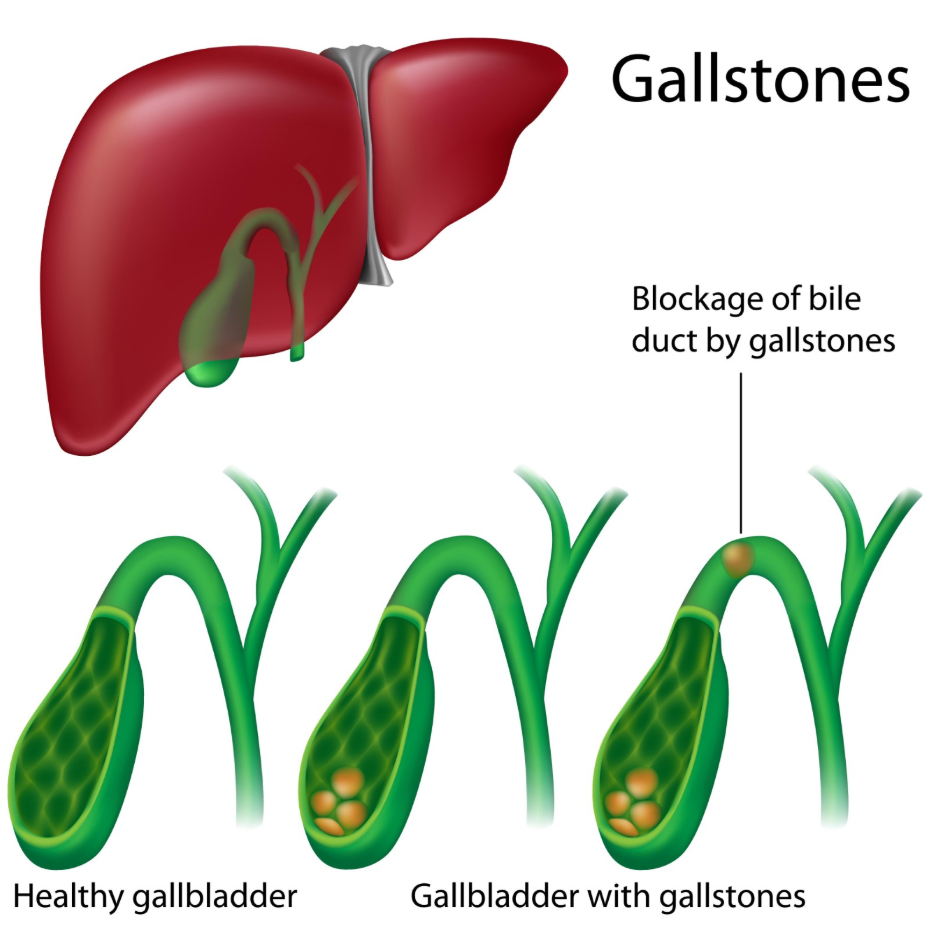
Dietary choices are fundamental to managing gallbladder health, particularly for individuals who have been confirmed to have gallstones. The gallbladder acts as a storage vessel for bile, which is released into the digestive system to help break down fats from the food we consume. When a person eats high fat or greasy meals, the gallbladder is stimulated to contract forcefully to expel bile into the small intestine. For those with gallstones, these strong contractions can cause a stone to block the exit of the gallbladder or become lodged in the bile ducts, leading to the intense pain known as biliary colic. In the United Kingdom, healthcare professionals frequently advise patients to adopt a low fat diet to minimise the risk of triggering these painful episodes. While dietary changes cannot remove gallstones that have already formed, they are a highly effective method of conservative management used to reduce the frequency of attacks. By understanding which specific foods place the most stress on the gallbladder, patients can make informed nutritional choices that support their digestive comfort and align with established NHS and NICE health frameworks.
What We’ll Discuss in This Article
- The biological link between fat consumption and gallbladder pain
- Specific high fat dairy and meat products to avoid
- The impact of processed and fried foods on the biliary system
- Why sugary and refined carbohydrates may affect stone formation
- Identifying healthy alternatives to common trigger foods
- The importance of a high fibre intake for gallbladder health
- General healthy eating principles recommended by the NHS
High fat foods should be avoided if you have gallstones because they cause the gallbladder to contract vigorously, which can trigger severe pain
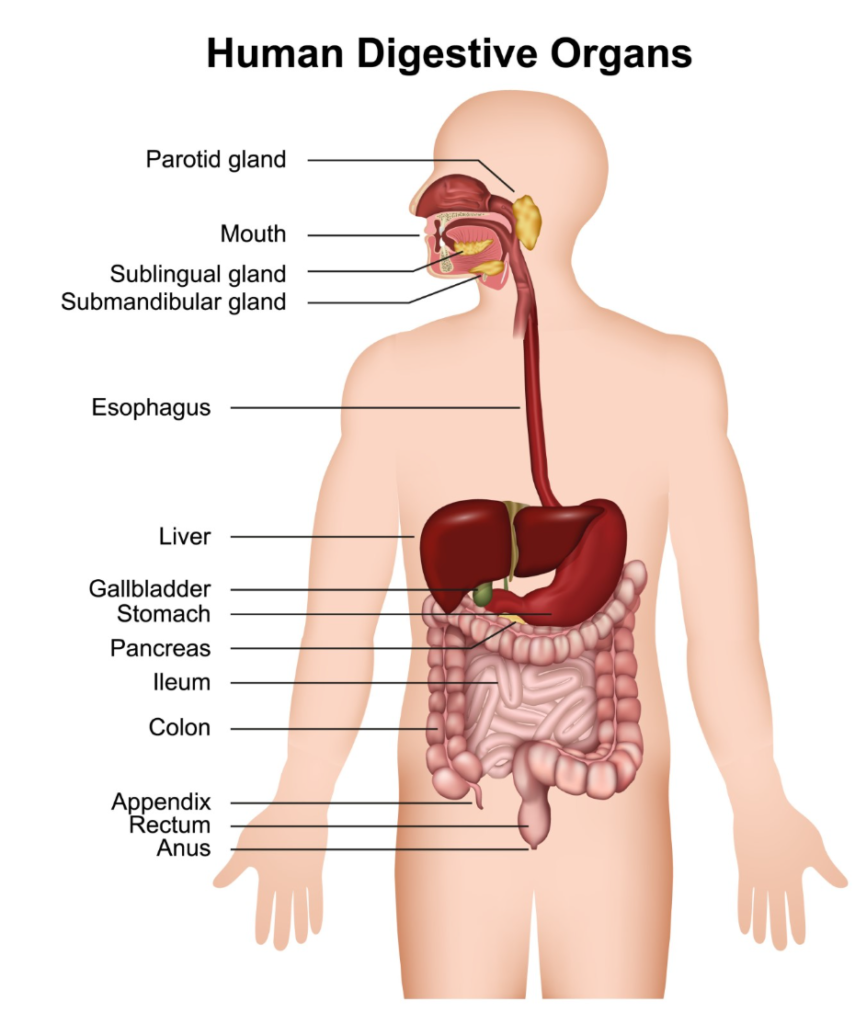
The primary dietary goal for managing gallstones is to limit the intake of saturated fats that force the gallbladder to work harder. A healthy, balanced diet is recommended to reduce the risk of gallstone attacks, which includes limiting foods high in saturated fat. When fat enters the digestive tract, the body produces hormones that signal the gallbladder to squeeze. If stones are present, this movement can lead to a blockage and subsequent inflammation. In the UK, clinicians suggest that by significantly reducing fat intake, many patients can successfully manage their symptoms and avoid the sudden, sharp pain in the upper right abdomen that often follows a heavy or greasy meal.
Dairy products and animal fats to limit
Many traditional dairy products and certain cuts of meat are naturally high in the saturated fats that trigger gallbladder contractions. Individuals with gallstones should be cautious with full fat milk, cream, butter, and hard cheeses such as cheddar or brie. Similarly, fatty cuts of red meat, sausages, bacon, and meat pies can provide enough fat in a single serving to cause a flare up. Many people with gallstones have symptoms of indigestion, such as feeling very full after a meal, bloating and wind. To reduce these symptoms, it is advisable to switch to skimmed or semi skimmed milk, low fat yogurts, and leaner proteins such as skinless chicken, turkey, or white fish, which require less bile for digestion.
Avoiding processed, fried, and fast foods
Fried foods and processed snacks are among the most common triggers for biliary colic due to the high concentration of oils and trans fats they contain. This includes items such as chips, fried chicken, doughnuts, crisps, and many takeaway meals. These foods not only trigger immediate gallbladder contractions but also contribute to weight gain and high cholesterol, both of which are risk factors for the development of further stones.
In the United Kingdom, dietary guidance emphasises the avoidance of these rich foods in favour of grilling, steaming, or baking meals. By eliminating deep fried items, patients can maintain a more stable environment within the biliary system and reduce the likelihood of emergency hospital admissions for gallbladder inflammation.
The impact of refined carbohydrates and sugar
While fat is the primary trigger for pain, a diet high in refined carbohydrates and sugar is also linked to an increased risk of gallstone formation and symptoms. Foods such as white bread, sugary cereals, cakes, and biscuits can cause spikes in insulin, which may lead to higher concentrations of cholesterol in the bile. This chemical imbalance makes it easier for stones to grow or for “sludge” to form. According to the National Institute for Health and Care Excellence, a diet high in fibre and wholegrains is recommended to help maintain a healthy gallbladder. Replacing refined grains with wholegrain options like brown rice, oats, and wholemeal bread supports better bile chemistry and overall digestive efficiency.
Comparison of Trigger Foods and Healthy Alternatives
| Food Category | Foods to Avoid (High Trigger) | Recommended Alternatives |
| Cooking Fats | Butter, lard, solid vegetable fat | Small amounts of olive oil or rapeseed oil |
| Proteins | Sausages, bacon, fatty steaks, salami | Beans, lentils, skinless poultry, white fish |
| Dairy | Double cream, full fat cheese, whole milk | Skimmed milk, low fat cottage cheese |
| Sweets | Chocolate, rich pastries, creamy desserts | Fresh fruit, sorbet, plain rice cakes |
The role of fibre and plant based nutrition
A diet rich in fibre is essential for anyone living with gallstones, as it helps to bind bile acids and promotes regular bowel movements, which can lower cholesterol levels. Plant based foods such as beans, lentils, peas, and various vegetables are naturally low in fat and high in fibre, making them ideal for a gallbladder friendly diet. Including these items in every meal helps to dilute the bile and prevent it from becoming overly concentrated. In the UK, the “five a day” principle for fruit and vegetables is not only good for general health but specifically beneficial for those attempting to manage biliary disease without immediate surgery.
Regular meal patterns and hydration
The frequency and timing of meals can be just as important as the types of food consumed. Skipping meals or going for long periods without eating can cause bile to sit in the gallbladder for too long, leading it to become stagnant and more likely to form stones. Conversely, eating very large, heavy meals can overwhelm the system. Maintaining regular, smaller meal times helps the gallbladder to empty frequently and gently. Additionally, staying well hydrated by drinking plenty of water ensures that the bile remains at a consistency that is easier to expel. UK clinical advice often includes maintaining a steady rhythm of eating to avoid the metabolic stresses that can lead to acute cholecystitis.
Conclusion
Managing gallstones through diet involves avoiding high fat dairy, processed meats, and fried foods that trigger painful gallbladder contractions. Focusing on a low fat, high fibre intake with plenty of wholegrains, fruits, and vegetables can significantly reduce the frequency of symptomatic episodes. While dietary changes are a cornerstone of conservative management in the UK, they should be used in conjunction with professional medical advice. Maintaining a healthy weight and consistent meal patterns further supports long term biliary health. If you experience severe, sudden, or worsening symptoms, call 999 immediately.
Can I eat eggs if I have gallstones?
Many people find that eggs are a trigger for pain due to the fat in the yolk, so it is best to consume them in moderation or try egg whites only.
Is chocolate a trigger for gallbladder pain?
Yes, chocolate is high in fat and sugar, which can cause the gallbladder to contract and lead to discomfort for some individuals.
Can a vegan diet prevent gallstone attacks?
A vegan diet is often naturally lower in saturated fat, but it must still be balanced and low in processed oils to be effective for gallbladder health.
Are avocados safe to eat with gallstones?
While avocados contain healthy fats, they are still high in fat overall and may trigger symptoms in some people, so they should be eaten in small portions.
Will a low fat diet dissolve my existing gallstones?
A low fat diet will not dissolve stones that have already formed, but it is excellent for preventing the pain caused by those stones.
Is spicy food bad for gallstones?
Spicy food does not directly cause gallstones, but it can cause general indigestion or acid reflux which may be confused with gallbladder pain.
Can children follow a gallbladder diet?
Children with gallstones should be managed by a specialist paediatrician, but a healthy, low fat, high fibre diet is generally safe and recommended.
Authority Snapshot (E-E-A-T Block)
This article was developed by the Medical Content Team to provide the general public with clear education on dietary management for gallstones. The content has been reviewed by Dr. Rebecca Fernandez, a UK-trained physician with extensive experience in general surgery and internal medicine, to ensure absolute alignment with NHS and NICE clinical guidance. Our purpose is to help patients manage their condition through factual and restrained reporting.
