
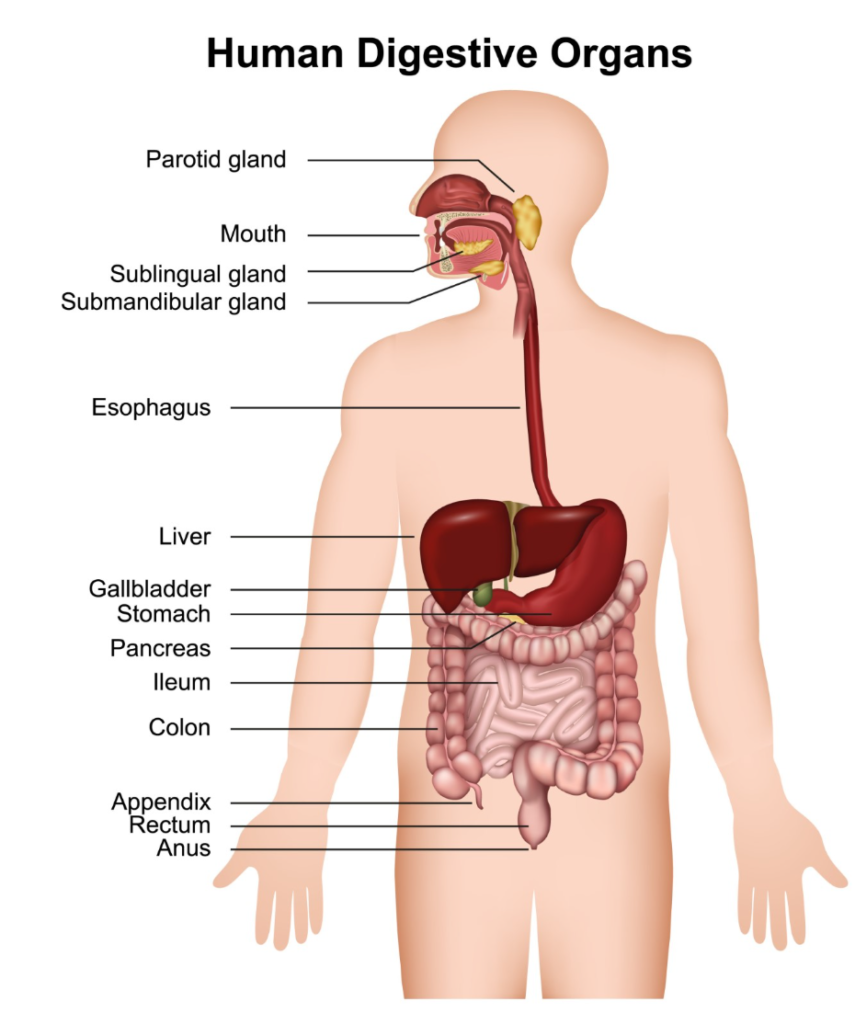
Bowel cancer occurs when cells in the colon or rectum grow and divide in an uncontrolled way, often developing from small, non-cancerous growths known as polyps. While the exact reason why these cells become cancerous in every individual is not fully understood, clinical research has identified several factors that significantly increase the likelihood of the disease developing. In the United Kingdom, healthcare professionals categorise these factors into lifestyle choices that can be modified, biological factors such as age, and genetic predispositions that run in families. Identifying these risks is a fundamental part of the UK’s strategy for early detection and prevention of the disease.
What We’ll Discuss in This Article
- The biological development of bowel cancer from polyps.
- The influence of age and gender on cancer risk.
- Impact of dietary habits and processed meat consumption.
- The role of obesity, physical activity, and alcohol.
- Genetic factors and hereditary conditions like Lynch syndrome.
- How existing digestive conditions like inflammatory bowel disease affect risk.
The Development of Cancer from Polyps
The majority of bowel cancers start from small growths on the inner lining of the colon or rectum called adenomatous polyps. Most polyps remain benign and never cause health issues; however, over a period of five to ten years, some polyps can undergo genetic mutations that cause them to grow and eventually transform into malignant tumours. Because this process is usually slow and asymptomatic in the early stages, identifying and removing polyps during a colonoscopy is a primary method of preventing bowel cancer.
The transition from a healthy cell to a cancerous one involves a series of errors in the cell’s DNA, which instruct the cell to survive when it should naturally die. As these abnormal cells multiply, they can form a mass that invades deeper layers of the bowel wall. The NHS bowel cancer screening programme aims to detect these changes at an early stage, often before any symptoms appear.
Impact of Age and Biological Factors
Age is the most significant non-modifiable risk factor for bowel cancer, with the vast majority of cases diagnosed in people over the age of 50. As a person grows older, the cells in the large bowel have had more time to accumulate DNA damage and mutations, increasing the statistical probability of a tumour developing. While bowel cancer can affect younger people, the incidence rate rises sharply with each decade of life, which is why national screening efforts focus on older age groups.
In terms of gender, statistics in the United Kingdom show that bowel cancer is slightly more common in men than in women, although it remains a major health concern for both sexes. Other biological factors include a personal history of having polyps or a previous diagnosis of cancer in another part of the body. Regular medical check-ups and participation in screening become increasingly important as individuals enter the age brackets where the biological risk is highest.
Dietary Habits and Processed Meat
Dietary choices are among the most significant modifiable risk factors for bowel cancer, with strong evidence linking certain foods to an increased risk. The World Health Organisation and NICE guidelines indicate that a diet high in red and processed meats is associated with a higher risk of developing cancer in the large bowel. Processed meats, such as bacon, sausages, and ham, contain preservatives like nitrates that may produce carcinogenic chemicals when digested.
Conversely, a diet low in fibre is also considered a risk factor. Fibre helps waste move through the bowel more quickly, which reduces the amount of time the bowel lining is exposed to potentially harmful chemicals in digested food. Increasing the intake of fruits, vegetables, pulses, and whole grains is recommended to support bowel health and maintain a healthy digestive environment.
Obesity, Physical Activity, and Alcohol
Maintaining an unhealthy weight and leading a sedentary lifestyle are both linked to an increased risk of bowel cancer. Excess body fat can lead to higher levels of insulin and other hormones that stimulate cell growth, potentially encouraging the development of tumours. Regular physical activity is believed to help by regulating hormone levels and speeding up the transit time of waste through the large intestine.
Alcohol consumption is another significant lifestyle factor that can damage the cells of the bowel. When alcohol is broken down in the gut, it can turn into acetaldehyde, a chemical that damages DNA and prevents cells from repairing themselves. The risk increases with the amount of alcohol consumed regularly, and health authorities in the UK suggest that limiting alcohol intake is an effective way to lower the lifetime risk of bowel cancer.
Genetic Factors and Hereditary Conditions
Approximately 5% to 10% of bowel cancers are linked to inherited genetic mutations that run in families. The two most common hereditary conditions are Lynch syndrome and Familial Adenomatous Polyposis (FAP). Individuals with Lynch syndrome have a significantly higher lifetime risk of developing bowel cancer at a younger age, while those with FAP develop hundreds or thousands of polyps in their colon, making cancer almost inevitable without surgical intervention.
If a person has a strong family history—such as a first-degree relative diagnosed before the age of 50 or multiple relatives with the condition—they may be referred for genetic counselling. NICE guidelines provide specific pathways for people with a high genetic risk to receive more frequent and earlier screening than the general population. Understanding one’s family history is vital for ensuring that high-risk individuals are identified and monitored through specialist surveillance programmes.
Influence of Inflammatory Bowel Disease
People who have lived with inflammatory bowel diseases, such as Ulcerative Colitis or Crohn’s Disease, for a long period have an increased risk of developing bowel cancer. This risk is related to the chronic inflammation of the bowel lining, which causes cells to turn over more rapidly and increases the chance of DNA errors occurring. The risk typically becomes significant after having the condition for eight to ten years.
Because of this increased risk, patients with long-term inflammatory bowel disease are usually enrolled in a regular surveillance programme involving frequent colonoscopies. This allows doctors to take multiple biopsies and check for “dysplasia,” which are precancerous changes in the cells. Managing the inflammation through medication can help reduce the overall risk, but consistent clinical monitoring remains a priority for this patient group.
Comparison of Risk Factor Types
The table below outlines the difference between factors that can be changed and those that cannot.
| Category | Risk Factor | Management Approach |
| Modifiable | Diet (Red/Processed Meat) | Limit intake; increase fibre |
| Modifiable | Weight and Activity | Regular exercise; healthy BMI |
| Modifiable | Smoking and Alcohol | Cessation and moderation |
| Non-Modifiable | Age (50+) | Regular national screening |
| Non-Modifiable | Genetics (Lynch/FAP) | Specialist surveillance |
| Non-Modifiable | Family History | Genetic counselling |
| Non-Modifiable | Chronic IBD | Regular colonoscopy biopsies |
Conclusion
The causes of bowel cancer are complex, involving a combination of biological age, genetic factors, and lifestyle habits. While age and family history cannot be changed, making adjustments to diet, maintaining a healthy weight, and limiting alcohol can significantly reduce a person’s individual risk. Early detection through the UK’s national screening programme remains the most effective tool for identifying precancerous changes or early-stage tumours. If you experience severe, sudden, or worsening symptoms, call 999 immediately.
Is bowel cancer always hereditary?
No, most cases of bowel cancer occur in people without a strong family history; only about 5% to 10% are linked to specific inherited gene mutations.
Can stress cause bowel cancer?
There is no direct evidence that stress causes bowel cancer, although stress can sometimes lead to lifestyle choices, such as poor diet or increased alcohol use, which are known risk factors.
How much red meat is safe to eat?
The Department of Health and Social Care recommends that people who eat more than 90g of red or processed meat a day should cut down to 70g to help reduce their risk.
Does having a polyp mean I have cancer?
No, most polyps are not cancerous, but because some have the potential to become cancer over time, they are removed during a colonoscopy as a precaution.
Can vitamins prevent bowel cancer?
While some studies have looked at vitamins like Vitamin D or Calcium, there is currently not enough evidence to recommend supplements specifically for preventing bowel cancer; a balanced diet is preferred.
Why is screening important if I feel healthy?
Bowel cancer often has no symptoms in its early stages, so screening can find cancer when it is much easier to treat or even prevent it by finding polyps.
Does smoking increase bowel cancer risk?
Yes, smokers are more likely to develop bowel cancer and are also more likely to develop larger, more numerous polyps.
Authority Snapshot (E-E-A-T)
This article is designed to provide clear and medically accurate information on the causes of bowel cancer according to UK clinical standards. The content is strictly aligned with the guidelines of the National Health Service (NHS) and the National Institute for Health and Care Excellence (NICE). It has been produced and reviewed by the Medical Content Team and Dr. Rebecca Fernandez to ensure clinical accuracy for a general audience.
