
The recovery timeline for acute pancreatitis is highly variable and depends primarily on the severity of the inflammation and whether any complications have developed. For most individuals in the United Kingdom, an episode of acute pancreatitis is mild and involves a relatively short recovery period, often allowing a return to normal activities within a few weeks. However, in cases where the inflammation is severe or causes damage to the pancreatic tissue, the recovery process can be significantly longer, sometimes requiring several months of hospital-based care and intensive rehabilitation.
What We’ll Discuss in This Article
- The typical duration of a hospital stay for mild cases.
- Factors that extend recovery time in severe pancreatitis.
- The stages of returning to a normal diet and physical activity.
- Long-term monitoring and follow-up care in the UK.
- Potential complications that may impact the speed of recovery.
- Lifestyle adjustments required to prevent future episodes.
Typical Recovery for Mild Acute Pancreatitis
Recovery from a mild episode of acute pancreatitis usually involves a hospital stay of approximately five to seven days. During this period, the primary focus is on managing pain and ensuring the patient is adequately hydrated through intravenous fluids. Most patients find that their symptoms begin to improve significantly within the first forty eight to seventy two hours as the initial inflammation of the pancreas starts to subside.
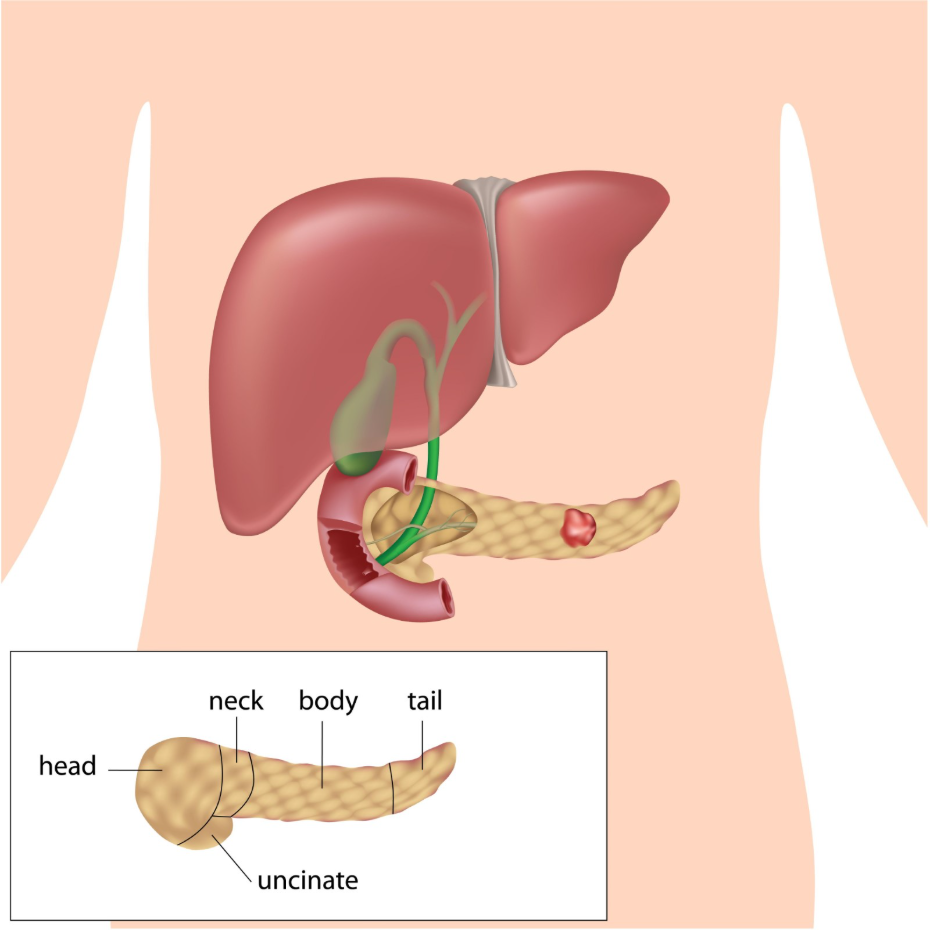
Once the pain is manageable with oral medication and the patient can tolerate food and drink without vomiting, they are typically discharged from the hospital. The majority of people with mild acute pancreatitis make a full recovery within a few weeks and experience no further problems. While energy levels may remain low for a short period after returning home, most individuals can expect to return to work or their usual daily routine within ten to fourteen days of discharge.
Recovery Timeline for Severe Acute Pancreatitis
The recovery from severe acute pancreatitis is much more prolonged and complex, often necessitating several weeks or even months of hospitalisation. In severe cases, the inflammation can lead to complications such as pancreatic necrosis, where parts of the organ tissue die, or organ failure affecting the kidneys or lungs. These complications require intensive monitoring and support, often within a High Dependency Unit or Intensive Care Unit.
Patients recovering from severe episodes may require specialised nutritional support, such as tube feeding, if they cannot eat normally for an extended period. The physical toll of a severe illness means that recovery involves not just the healing of the pancreas, but also the rehabilitation of muscle strength and overall physical stamina. It is not uncommon for individuals who have survived severe pancreatitis to require a period of convalescence at home for several months before they feel capable of returning to full-time employment or strenuous activity.
Returning to a Normal Diet
A phased return to eating is a critical component of the recovery process and is closely monitored by healthcare professionals. In the early stages of recovery, patients are often advised to follow a low-fat diet to avoid overstimulating the pancreas while it is still healing. This typically starts with clear liquids, progressing to soft foods, and eventually incorporating solid, low-fat meals as tolerated.
NICE guidelines recommend that patients should be encouraged to resume an oral diet as soon as it is clinically safe to do so. High-fat foods, which require more effort for the pancreas to digest, should be avoided during the first few weeks of recovery to prevent the return of abdominal pain. Some individuals may find that they need to eat smaller, more frequent meals rather than three large ones during the transitional period to ensure they receive adequate nutrition without discomfort.
Factors Influencing Recovery Speed
Several individual factors can influence how quickly a person recovers from an attack of pancreatitis. The underlying cause of the inflammation, such as gallstones or alcohol consumption, must be addressed to ensure a smooth recovery and prevent recurrence. For example, if gallstones were the cause, recovery may involve an additional period of time for the surgical removal of the gallbladder.
Age and general health also play a role; younger individuals with fewer pre-existing health conditions often recover more quickly than older adults. Additionally, lifestyle choices during the recovery phase are paramount. Adhering to medical advice regarding the complete avoidance of alcohol and smoking is essential, as these substances significantly irritate the pancreas and can delay healing or trigger a new inflammatory episode.
Long-Term Monitoring and Follow-Up
Follow-up care is an essential part of the recovery pathway in the UK to ensure that the pancreas is functioning correctly and that no long-term complications have developed. Most patients will have a follow-up appointment with a gastroenterologist or a member of the surgical team a few weeks after being discharged. During these appointments, blood tests may be repeated to check that enzyme levels have returned to normal and that there are no signs of ongoing inflammation.
In some cases, especially following a severe attack, long-term monitoring may be required to check for the development of chronic pancreatitis or diabetes. The pancreas produces insulin, and significant damage to the organ can affect blood sugar regulation. Regular check-ups allow healthcare providers to identify these issues early and provide appropriate management, such as enzyme supplements or insulin therapy, to maintain the patient’s quality of life.
Comparison of Recovery Phases
The following table provides a comparison of recovery expectations based on the severity of the initial attack.
| Feature | Mild Acute Pancreatitis | Severe Acute Pancreatitis |
| Hospital Stay | Typically 5 to 7 days | Several weeks to months |
| Return to Work | 1 to 2 weeks after discharge | 3 to 6 months (variable) |
| Dietary Transition | Quick return to low-fat diet | May require tube feeding initially |
| Complications | Rare | Necrosis, organ failure, pseudocysts |
| Follow-up Needs | Routine outpatient review | Specialist multidisciplinary follow-up |
Conclusion
Recovery from acute pancreatitis is a process that varies significantly from one person to another. While the majority of mild cases resolve within a few weeks, severe episodes require a much more intensive and lengthy period of healing and rehabilitation. Success in recovery is largely dependent on following clinical advice, managing underlying causes, and making necessary lifestyle adjustments to protect the pancreas in the future. If you experience severe, sudden, or worsening symptoms, call 999 immediately.
When can I start exercising again after pancreatitis?
For mild cases, you can usually begin light walking within a week of discharge, but you should avoid strenuous exercise or heavy lifting for at least two to four weeks. Always check with your doctor before resuming high-intensity activity.
How long do I need to stay on a low-fat diet?
Most doctors recommend a low-fat diet for at least several weeks after recovery. Some individuals find that a permanent reduction in fat intake helps prevent future discomfort or attacks.
Why do I feel so tired even after the pain has gone?
The body uses a significant amount of energy to resolve internal inflammation. Fatigue is a very common part of the recovery process, especially if the attack was severe or required a long hospital stay.
Can I ever drink alcohol again after I have recovered?
Medical professionals strongly advise against drinking any alcohol after an attack of pancreatitis. Alcohol is a major irritant to the pancreas and significantly increases the risk of a repeat, potentially more severe, attack.
Will I need to take digestive enzymes for the rest of my life?
Most people with a single mild attack do not need enzymes. However, if the attack was severe and caused permanent damage, or if you develop chronic pancreatitis, you may need enzyme supplements to help digest food.
What is the risk of having another attack?
The risk of recurrence depends on the cause. If the trigger, such as gallstones, is treated or removed, the risk is low; if triggers like alcohol or high blood fats are not managed, the risk of a repeat attack is high.
How long does it take for the pancreas to fully heal?
While symptoms may settle in days, internal healing can take several weeks or months. Imaging like a CT scan may still show signs of resolving inflammation even after you feel better.
Authority Snapshot (E-E-A-T)
This article provides educational information on recovery from acute pancreatitis based on UK clinical standards. The content is strictly aligned with the guidelines provided by the National Health Service (NHS) and the National Institute for Health and Care Excellence (NICE). All information has been prepared and reviewed by the Medical Content Team and Dr. Stefan Petrov to ensure clinical accuracy and safety for the general public.
