
Bowel cancer, also known as colorectal cancer, often presents through a combination of persistent changes in digestive function and physical signs that can be identified during daily life. While many of these symptoms are also associated with less serious conditions, such as haemorrhoids or dietary changes, their persistence is a key indicator that medical evaluation is required. In the United Kingdom, healthcare professionals emphasise the importance of identifying these signs early to improve the chances of successful treatment. Understanding what is normal for your body and recognising when a change becomes a lasting pattern is the most effective way to engage with bowel health services.
What We’ll Discuss in This Article
- Persistent changes in bowel habits and stool consistency.
- The appearance and significance of blood in the stools.
- Unexplained abdominal pain, bloating, or discomfort.
- Systemic signs such as fatigue and unintended weight loss.
- The feeling of incomplete bowel emptying after using the toilet.
- When to consult a healthcare professional regarding these symptoms.
Persistent Changes in Bowel Habits
A lasting change in how often you go to the toilet or the consistency of your waste is one of the most frequent indicators of a problem in the large bowel. This may include going more often than usual, experiencing looser stools, or sometimes a persistent feeling of constipation that is not typical for the individual. Because bowel habits vary significantly from person to person, the clinical focus is on a change that is unusual for you and lasts for a significant period.
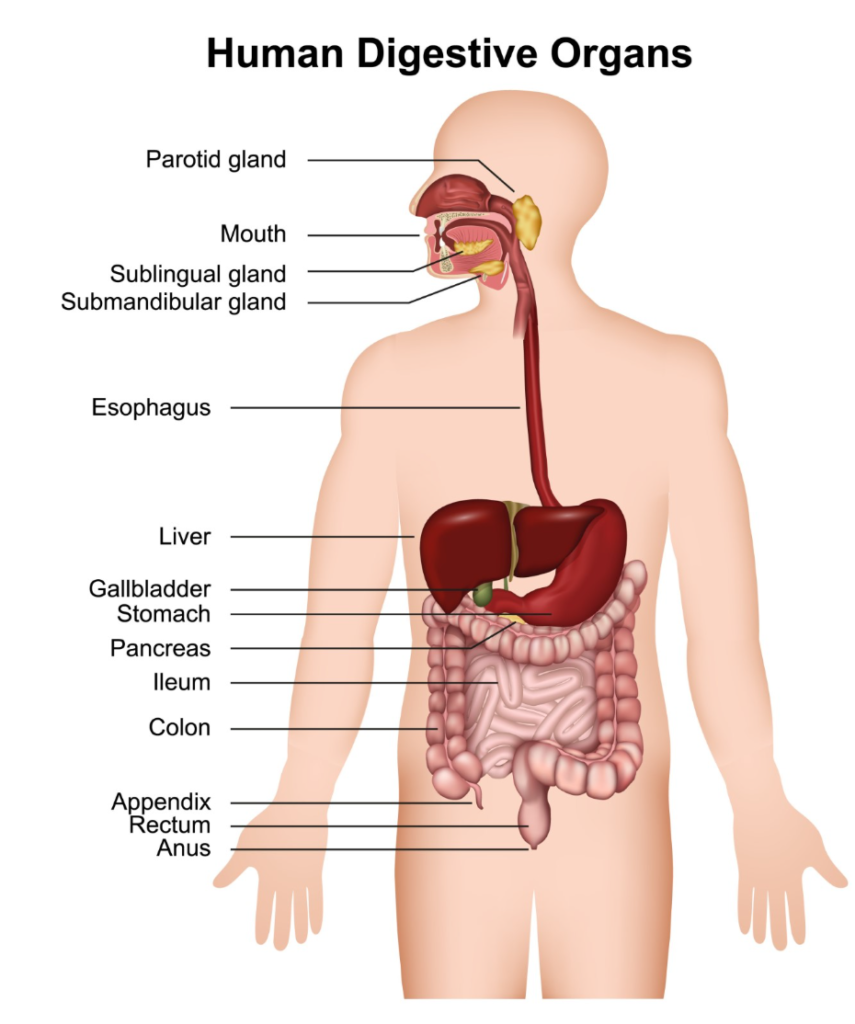
The NHS recommends that any change in bowel habit that lasts for three weeks or more should be checked by a GP. While temporary changes can occur due to stress or diet, a permanent shift in your routine may indicate that the passage of waste is being affected by an obstruction or an abnormality in the lining of the colon. Documenting these changes can help your doctor understand the duration and nature of the shift in your digestive health.
Blood in the Stools or Rectal Bleeding
The presence of blood in the stools is a significant symptom that requires investigation, even if it is not accompanied by pain. In some cases, the blood may be bright red and appear on the surface of the stool or on the toilet paper, which is often associated with the lower part of the bowel or rectum. In other instances, the blood may be dark red or black and mixed within the stool itself, suggesting it originated higher up in the colon.
It is important to note that blood in the stool can be caused by many non-cancerous issues, such as small tears or swollen blood vessels. However, NICE guidelines state that unexplained rectal bleeding is a primary symptom that warrants clinical investigation, especially in older adults or when combined with other digestive changes. Because hidden bleeding can also occur, some people may not see blood at all, but its presence may be detected through a stool test or by a doctor identifying signs of anaemia.
Abdominal Pain and Bloating
Persistent discomfort in the tummy area, such as pain, cramping, or a bloated feeling, can occur when the bowel is not functioning as it should. This discomfort is often triggered by eating and may be accompanied by a feeling of fullness even if you have not eaten a large meal. While occasional bloating is common, pain that is new, persistent, or worsening is considered a clinical red flag.
In some cases, a tumour can cause a partial blockage of the bowel, leading to increased pressure and discomfort as the body tries to move waste past the obstruction. This can sometimes result in a visible lump in the abdomen that a doctor can feel during an examination. Monitoring whether the pain is localised to one area or if it occurs at specific times of the day can provide valuable information during a medical consultation.
Unexplained Fatigue and Weight Loss
Bowel cancer can sometimes cause systemic symptoms that affect the whole body, such as extreme tiredness or losing weight without trying. Fatigue is often the result of iron-deficiency anaemia, which occurs when a tumour bleeds slowly and consistently over a long period. Because this bleeding is often microscopic and not visible to the naked eye, the person may feel progressively weaker or more short of breath without knowing why.
Unintended weight loss occurs when the body uses more energy to deal with the illness or when the digestive system becomes less efficient at absorbing nutrients. These symptoms are often more subtle than digestive changes and can develop gradually. If you experience significant fatigue or weight loss alongside any change in your bowel habits, it is important to seek a clinical assessment to rule out serious underlying causes.
Sensation of Incomplete Emptying
A specific symptom often associated with rectal cancer is the feeling that you need to go to the toilet again immediately after you have just been. This sensation, known clinically as tenesmus, occurs because a mass in the rectum can trick the nerves into feeling that there is still waste present. This can lead to frequent, unproductive trips to the toilet and a lasting sense of discomfort.
This symptom is often accompanied by the passage of mucus or a change in the shape of the stools, which may appear thinner or narrower than usual. Because the rectum is the final storage area before waste leaves the body, even small changes in its lining can significantly alter the sensation of a bowel movement. Recognising this specific feeling of “incomplete emptying” as a distinct change from normal function is an important part of symptom tracking.
Comparison of Common Bowel Symptoms
The table below compares symptoms that may indicate bowel cancer versus those often seen in less serious conditions.
| Symptom | Potential Bowel Cancer Sign | Common Non-Cancerous Cause |
| Bowel Habit | Lasting change (>3 weeks) | Temporary change (diet/stress) |
| Bleeding | Persistent, often without pain | Bright red with pain (fissure/piles) |
| Abdominal Pain | Persistent, triggered by eating | Occasional gas or indigestion |
| Weight | Unintended, significant loss | Related to diet or exercise changes |
| Fatigue | Constant, related to anaemia | Related to lack of sleep or work |
| Tummy Feeling | Persistent bloating or a lump | Temporary bloating after meals |
Conclusion
The common symptoms of bowel cancer involve persistent changes in bowel habits, rectal bleeding, and abdominal discomfort. While many of these signs can be caused by benign issues, any change that lasts for three weeks or more should be discussed with a healthcare professional to ensure a timely and accurate assessment. Early detection is the most effective way to manage bowel health and achieve positive outcomes through national screening and clinical pathways. If you experience severe, sudden, or worsening symptoms, call 999 immediately.
Is blood in the stool always a sign of cancer?
No, blood can be caused by many conditions like haemorrhoids or small tears, but any instance of rectal bleeding should be checked by a doctor.
How long should I wait before seeing a doctor about a change in bowel habits?
You should consult your GP if any change in your bowel routine, such as going more often or having looser stools, lasts for three weeks or longer.
Can you have bowel cancer without any pain?
Yes, many people with early-stage bowel cancer do not experience any pain at all, which is why monitoring for other changes like bleeding or habit shifts is so important.
What does “anemia” have to do with the bowel?
If a tumour bleeds slowly, it reduces the number of red blood cells in your body, leading to anaemia which causes tiredness and pale skin.
Does a change in diet cause the same symptoms?
Dietary changes can cause temporary shifts in bowel habits, but these usually resolve quickly once the diet stabilises or returns to normal.
What is the difference between bright red and dark blood?
Bright red blood often comes from the rectum or lower bowel, while darker, tar-like blood usually suggests bleeding from higher up in the colon.
Is bloating always a concern?
Occasional bloating is normal, but if it is persistent, feels like a lump, or is accompanied by pain and weight loss, it should be medically evaluated.
Authority Snapshot (E-E-A-T)
This article provides educational information on the symptoms of bowel cancer strictly aligned with UK clinical standards. The content is based on the National Health Service (NHS) and the National Institute for Health and Care Excellence (NICE) guidelines for cancer recognition. It has been reviewed by the Medical Content Team and Dr. Rebecca Fernandez to ensure clinical accuracy and safety for the general public.
