
Stomach bloating is a common sensation where the abdomen feels full, tight, and sometimes physically swollen. This condition often results from a buildup of gas in the gastrointestinal tract or issues related to how the body processes specific foods and drinks. While many people experience bloating after a large meal, persistent or recurring abdominal distension may indicate underlying dietary sensitivities or functional digestive disorders that require a structured approach to management.
What We’ll Discuss in This Article
- Common dietary and lifestyle habits that lead to excess gas
- The impact of food intolerances such as lactose and gluten
- The role of functional disorders like Irritable Bowel Syndrome
- How hormonal fluctuations influence abdominal swelling
- Digestive conditions that require clinical investigation
- Practical steps for managing bloating in line with UK health standards
Common Dietary and Lifestyle Causes
The most frequent cause of stomach bloating is the accumulation of gas in the digestive system due to the way food is consumed or the types of ingredients included in the diet. Swallowing air, a process known as aerophagia, often happens when eating or drinking too quickly, talking while chewing, or using a straw. Once air is swallowed, it can become trapped in the digestive tract, leading to a feeling of fullness and pressure.
Certain foods are naturally more gas-producing because they contain complex carbohydrates that the body cannot fully break down. Bloating is most often caused by a buildup of gas in the digestive system, which can be linked to specific foods or habits like swallowing too much air. Vegetables such as beans, lentils, broccoli, and cabbage are well-known triggers because they are fermented by bacteria in the large intestine, releasing gas as a byproduct. Additionally, carbonated beverages introduce carbon dioxide directly into the stomach, while high-salt diets can cause the body to retain water, contributing to a sense of abdominal tightness.
Food Intolerances and Sensitivities
Stomach bloating is a primary symptom of food intolerances, which occur when the digestive system struggles to process certain substances. Lactose intolerance is a common example, where the body lacks sufficient levels of the enzyme lactase to break down the sugar found in milk and dairy products. When undigested lactose reaches the colon, it ferments and causes significant gas, bloating, and sometimes diarrhoea.
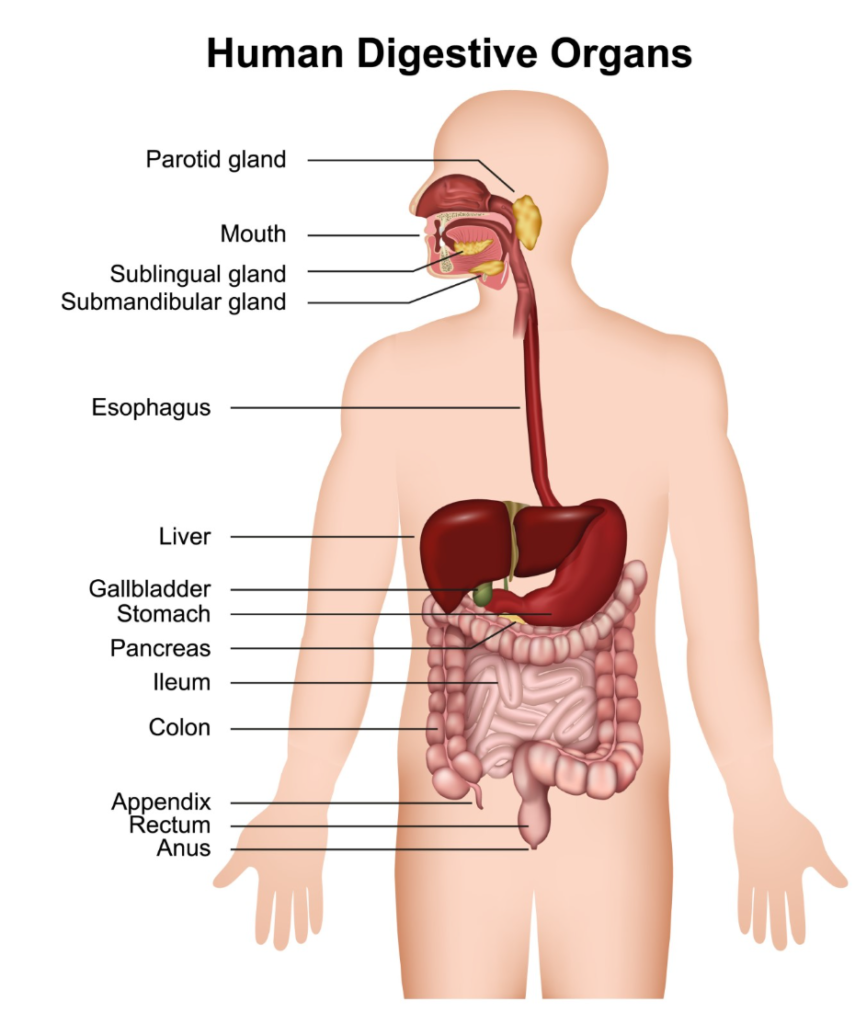
Fructose malabsorption and sensitivity to polyols (sugar alcohols like sorbitol or xylitol) also lead to bloating. These substances are often found in fruit juices, stone fruits, and sugar-free sweets or chewing gum. If these sugars are not absorbed correctly in the small intestine, they draw water into the bowel and are fermented by gut bacteria. Identifying these triggers through a food diary can help determine if specific groups of food are responsible for recurring symptoms.
Irritable Bowel Syndrome and Functional Disorders
Irritable Bowel Syndrome is a common long-term condition of the digestive system that frequently causes bloating alongside abdominal pain and changes in bowel habits. It is classified as a functional disorder, meaning the gut appears structurally normal but does not function correctly. In people with IBS, the nerves in the gut wall may be hypersensitive, making the sensation of normal amounts of gas feel significantly more painful or bloating-like.
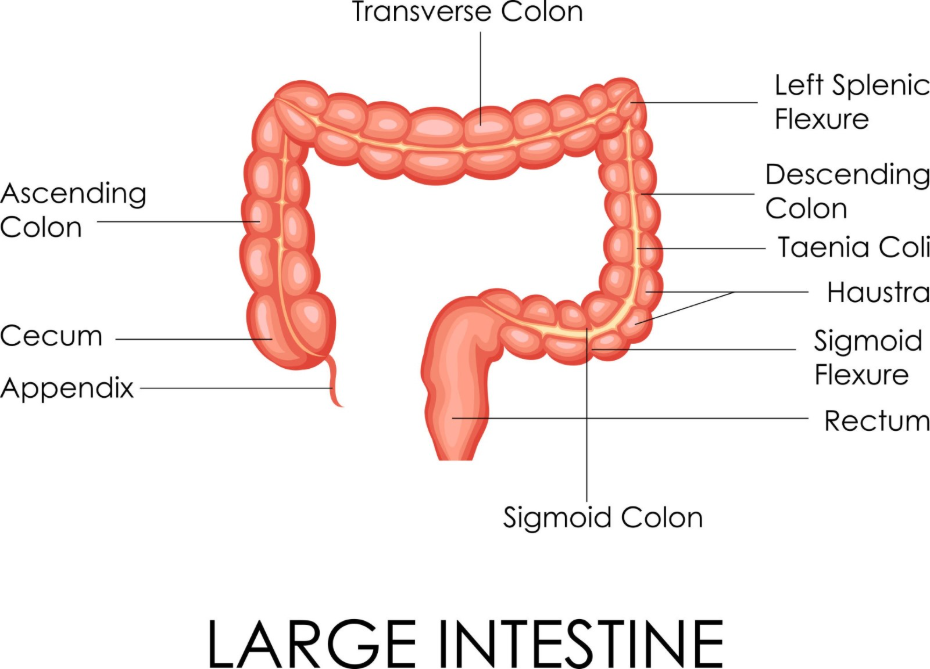
Management for this condition often involves identifying personal triggers and making dietary adjustments. The National Institute for Health and Care Excellence provides clear pathways for the management of irritable bowel syndrome, which may include dietary changes such as following a low FODMAP diet. Because the symptoms of IBS can mimic other conditions, a clinical assessment is usually required to ensure other underlying issues are ruled out.
Hormonal Fluctuations and Bloating
Many individuals experience significant stomach bloating linked to hormonal changes, particularly during the menstrual cycle. Changes in levels of oestrogen and progesterone can lead to water retention and slower digestion in the days leading up to a period. This is often referred to as cyclical bloating and typically resolves once the period begins.
During perimenopause and menopause, shifting hormone levels can also affect the digestive system, leading to increased gas production or changes in how the body handles certain foods. While hormonal bloating is usually a normal physiological response, persistent swelling that does not fluctuate with the cycle may require further investigation to rule out other pelvic or abdominal issues.
Coeliac Disease and Malabsorption
Recurring bloating can be an indicator of coeliac disease, an autoimmune condition where the body reacts to gluten, a protein found in wheat, barley, and rye. When someone with coeliac disease consumes gluten, their immune system attacks the lining of the small intestine. This damage interferes with the body’s ability to absorb nutrients, leading to gas, bloating, and fatigue.
Coeliac disease is a serious condition that requires a strict gluten-free diet for life to prevent damage to the intestines and long-term health complications. It is important to note that bloating caused by coeliac disease is often accompanied by other symptoms such as unexplained weight loss or anaemia. Clinical testing, beginning with a blood test for specific antibodies, is the standard method for identifying this condition.
When to Seek Medical Advice
While bloating is often benign, it can occasionally be a symptom of a more serious underlying health issue that requires prompt medical evaluation. Healthcare professionals look for “red flag” symptoms that suggest the bloating is not related to simple gas or diet. These indicators help determine if a patient needs a referral for diagnostic imaging or specialist consultation.
Clinical indicators for investigation include:
- Persistent bloating that does not go away after a few days
- Bloating accompanied by a noticeable change in bowel habits
- Unexplained weight loss or loss of appetite
- Blood in the stool or unexplained anaemia
- Feeling full very quickly after starting a meal
- New or persistent abdominal pain, especially in those over the age of 50
A clinical review is particularly important for individuals who experience persistent abdominal distension, as this can sometimes be a sign of ovarian or bowel issues. Early assessment ensures that symptoms are correctly categorised and managed according to national standards.
Conclusion
Stomach bloating is most frequently caused by gas buildup, dietary habits, or functional issues like Irritable Bowel Syndrome. Identifying personal triggers and maintaining a balanced diet are the primary methods for managing this discomfort effectively. However, when bloating is persistent or accompanied by unusual symptoms, a clinical review is necessary to ensure digestive health. If you experience severe, sudden, or worsening symptoms, call 999 immediately.
Why do I feel bloated after every meal?
Eating too quickly, consuming gas-producing foods, or having an underlying food intolerance can lead to consistent post-meal bloating.
Can stress cause stomach bloating?
Yes, the gut-brain axis means that stress can slow down digestion and make the gut more sensitive to the presence of gas.
Does drinking water help reduce bloating?
If bloating is caused by high salt intake and water retention, staying hydrated can help the body flush out excess sodium and reduce swelling.
What are the most common gas-producing foods?
Beans, lentils, onions, cabbage, cauliflower, and carbonated drinks are frequently linked to increased gas production in the gut.
Is bloating a sign of a food allergy?
Bloating is more commonly a sign of a food intolerance; allergies usually involve the immune system and cause symptoms like rashes or breathing difficulties.
How long should I wait before seeing a doctor about bloating?
If you have been bloated for most days over a period of three weeks or more, you should seek a clinical assessment.
Can constipation cause bloating?
Yes, when waste material remains in the colon for too long, bacteria have more time to ferment it, which produces significant amounts of gas.
Authority Snapshot (E-E-A-T)
This medical education is provided to help the UK public understand the common causes of abdominal bloating and when to seek advice. The content is developed by a medical writing team and reviewed by Dr. Rebecca Fernandez, a UK-trained physician with extensive experience across internal medicine and acute care. All information is strictly aligned with current clinical standards provided by the NHS and the National Institute for Health and Care Excellence (NICE).
