
Feeling bloated all the time can be a distressing and uncomfortable experience, often characterised by a sensation of tightness, pressure, or fullness in the abdomen. This persistent feeling is frequently related to the way the digestive system processes gas, food, and fluids, though it can also be influenced by hormonal changes and psychological stress. Identifying the underlying cause requires a structured evaluation of dietary habits, lifestyle choices, and potential long-term gastrointestinal conditions to determine the most effective management strategy.
What We’ll Discuss in This Article
- The physiological mechanics of abdominal bloating and distension
- Common lifestyle factors and dietary triggers that contribute to gas buildup
- The role of functional digestive disorders such as Irritable Bowel Syndrome
- How food intolerances and malabsorption affect digestive comfort
- The impact of hormonal fluctuations on persistent abdominal swelling
- Clinical pathways and red flag symptoms that require medical investigation
- General management strategies aligned with UK health standards
Understanding the Mechanics of Bloating
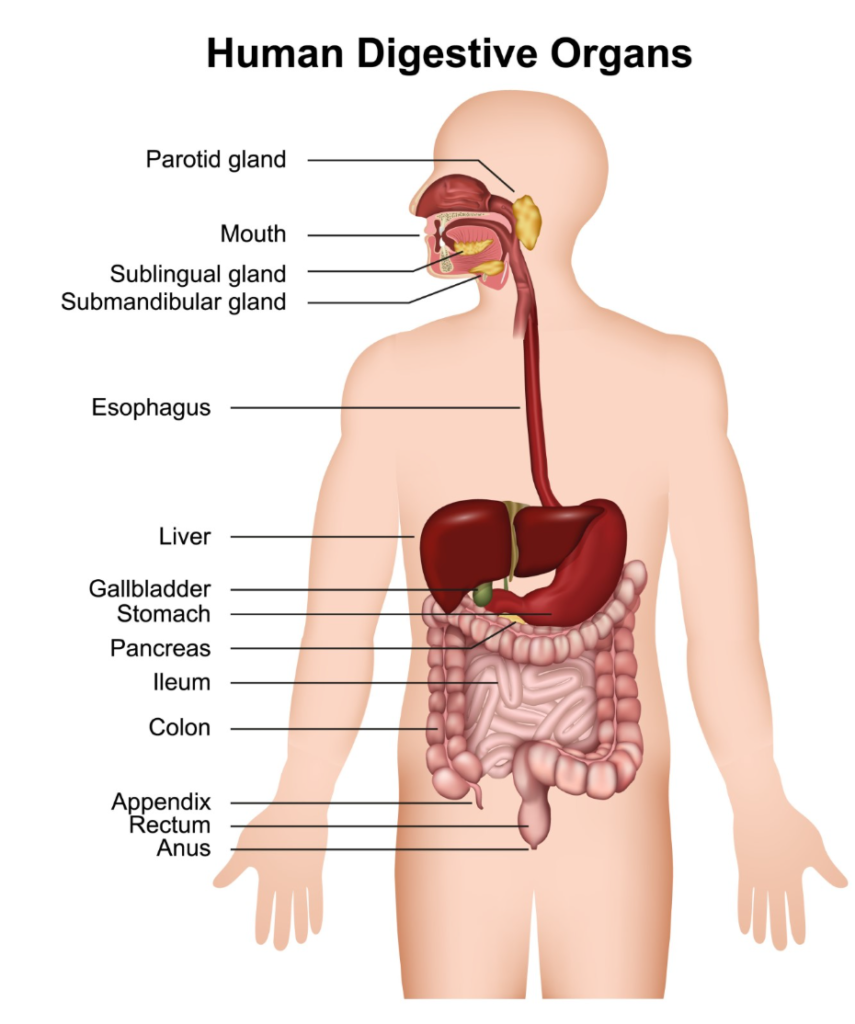
Bloating is defined as the subjective sensation of pressure or fullness in the abdomen, which may or may not be accompanied by physical swelling known as distension. This sensation occurs when the gastrointestinal tract becomes filled with air or gas, or when the muscles of the digestive system do not move waste through the body efficiently. While everyone produces gas as a byproduct of digestion, persistent bloating suggests that gas is either being produced in excessive amounts or is not being expelled effectively.
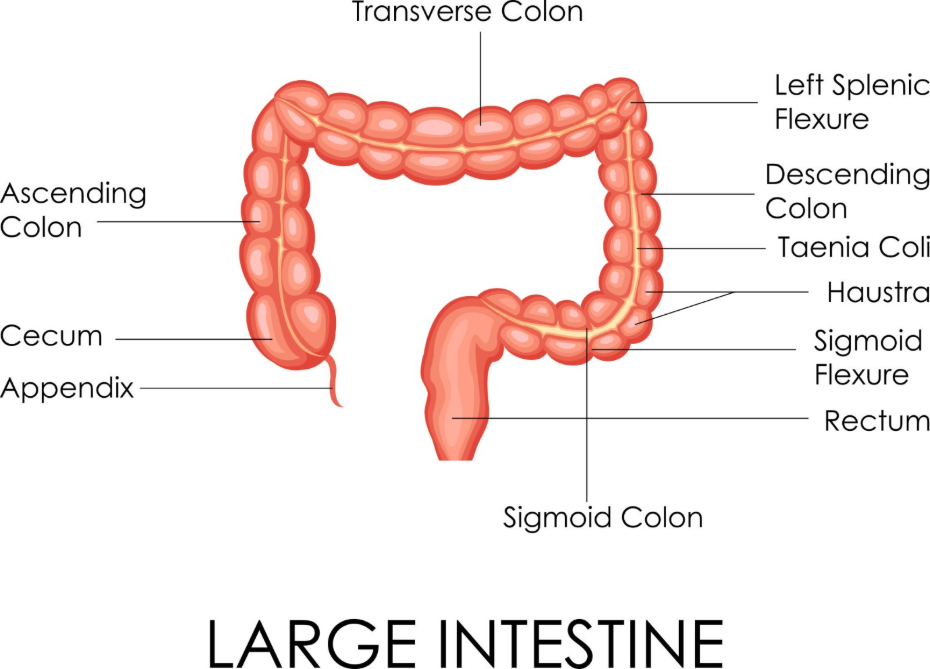
The production of gas primarily occurs through two processes: swallowing air and the fermentation of undigested food by bacteria in the large intestine. When bacteria break down certain carbohydrates, they release gases such as hydrogen, methane, and carbon dioxide. If the gut is sensitive or if the motility (the movement of the gut muscles) is slowed, this gas can become trapped, leading to the characteristic feeling of being bloated. Bloating and a feeling of fullness in the abdomen are very common and are often caused by gas, constipation, or swallowing too much air.
Common Lifestyle and Dietary Triggers
Everyday habits such as eating too quickly, consuming carbonated drinks, or high salt intake are frequent causes of persistent bloating. When food is consumed rapidly, a significant amount of air is often swallowed alongside it, a condition known as aerophagia. This air can accumulate in the stomach or move into the intestines, causing immediate discomfort. Similarly, habits such as chewing gum, smoking, or using drinking straws can increase the amount of air entering the digestive tract.
Dietary choices also play a fundamental role in gas production. Certain foods contain complex sugars and fibres that are difficult for the small intestine to absorb. These substances travel to the large intestine where they are fermented by gut bacteria. High-fibre vegetables like cabbage, broccoli, and beans are well-known triggers, but artificial sweeteners such as sorbitol and xylitol (found in sugar-free products) can also cause significant bloating. Additionally, a diet high in processed foods often leads to excessive salt consumption, which causes the body to retain water, further contributing to a feeling of abdominal tightness.
Irritable Bowel Syndrome and Functional Gut Issues
Irritable Bowel Syndrome is a common condition that can lead to frequent bloating due to increased sensitivity in the gut and altered bowel motility. Irritable bowel syndrome is a long-term condition that can cause stomach cramps, bloating, diarrhoea, and constipation. In individuals with this functional disorder, the nerves in the gut wall may be hypersensitive, meaning that even normal amounts of gas can feel painful or excessively bloating.
The relationship between the brain and the gut, known as the gut-brain axis, is often disrupted in functional disorders. This can cause the muscles of the digestive tract to contract too quickly or too slowly, leading to trapped gas or constipation. Because constipation prevents gas from passing through the rectum, it is one of the most significant contributors to chronic bloating. The National Institute for Health and Care Excellence provides guidelines on the investigation and management of irritable bowel syndrome in adults to ensure consistent care standards.
Food Intolerances and Sensitivities
Certain individuals feel bloated because their bodies struggle to digest specific substances, such as lactose or gluten. Lactose intolerance occurs when the body lacks sufficient levels of the enzyme lactase, which is needed to break down the sugar found in milk and dairy products. When undigested lactose reaches the colon, it draws in water and is fermented by bacteria, resulting in rapid gas production and bloating.
Similarly, non-coeliac gluten sensitivity or coeliac disease can cause persistent abdominal swelling. Coeliac disease is an autoimmune condition where the immune system reacts to gluten (found in wheat, barley, and rye), causing damage to the lining of the small intestine. This damage interferes with the absorption of nutrients and often leads to chronic bloating, wind, and fatigue. Malabsorption of other sugars, such as fructose (found in fruit and honey), can also lead to similar symptoms if the small intestine cannot process them effectively.
Hormonal Influences on Abdominal Fullness
For many people, hormonal changes related to the menstrual cycle or menopause can cause regular and persistent bloating. Oestrogen and progesterone influence the way the body retains water and the speed at which food moves through the digestive tract. In the days leading up to a menstrual period, rising oestrogen levels can cause the body to retain more salt and water, leading to a physical feeling of being bloated.
During perimenopause and menopause, shifting hormone levels can slow down intestinal motility, leading to increased gas buildup and constipation. Furthermore, changes in the gut microbiome during these life stages may alter how the body responds to certain foods. While hormonal bloating is often cyclical, if the swelling becomes persistent and does not fluctuate with the cycle, it is important to differentiate it from other potential causes.
Comparison of Common Causes of Bloating
| Cause | Typical Timing | Accompanying Symptoms | Primary Mechanism |
| IBS | Often after meals or during stress | Pain, diarrhoea, or constipation | Visceral hypersensitivity |
| Lactose Intolerance | 30 minutes to 2 hours after dairy | Wind, urgency, loose stools | Enzyme deficiency |
| Hormonal Bloating | Cyclical (pre-menstrual) | Breast tenderness, mood changes | Fluid retention/Slowed motility |
| Aerophagia | During or immediately after eating | Burping, upper abdominal pressure | Swallowed air |
| Constipation | Persistent or intermittent | Hard stools, straining | Trapped gas and waste |
When Persistent Bloating Requires Medical Investigation
While bloating is often related to diet, persistent symptoms that do not resolve may require clinical investigation to rule out more serious health issues. Clinical guidelines in the UK emphasise that new and persistent bloating should be evaluated by healthcare professionals, especially in individuals over the age of 50 or those with a family history of gastrointestinal or ovarian issues.
A key concern with persistent bloating, particularly in women, is ensuring it is not a sign of ovarian cancer. National standards suggest that if bloating occurs frequently (more than 12 times a month) and is new, it warrants specific diagnostic tests such as a CA125 blood test or an ultrasound scan. Other “red flag” symptoms that require investigation alongside bloating include:
- Unintentional weight loss
- Persistent loss of appetite or feeling full very quickly
- Blood in the stool or a persistent change in bowel habit
- Unexplained anaemia (iron deficiency)
- A noticeable lump or swelling in the abdomen
Conclusion
Persistent bloating is a common symptom that most often arises from a combination of dietary habits, swallowed air, or functional issues like Irritable Bowel Syndrome. Identifying personal triggers through a food diary and managing constipation are effective first steps for many people. If the sensation of being bloated is new, persistent, or accompanied by other concerning symptoms, a clinical evaluation is necessary to determine the cause. If you experience severe, sudden, or worsening symptoms, call 999 immediately.
Does drinking more water help with bloating?
Drinking enough water can help prevent constipation, which is a major cause of bloating, but drinking very large amounts too quickly or using a straw can actually increase swallowed air.
Can exercise reduce the feeling of being bloated?
Physical activity can help stimulate the muscles of the digestive tract, encouraging the passage of gas and waste through the system more efficiently.
Is bloating a sign of a food allergy?
Bloating is more commonly a symptom of a food intolerance or sensitivity rather than a true allergy, as allergies typically involve the immune system and cause symptoms like rashes or swelling.
Why is my bloating worse in the evening?
Gas often accumulates throughout the day as you eat and drink, meaning that by the evening, the volume of gas in the gut is at its highest.
Can probiotics help reduce persistent bloating?
Some people find that probiotics help balance gut bacteria and reduce gas, but the effects vary significantly between individuals and the specific strains used.
How does posture affect bloating?
Slumping or sitting for long periods can compress the abdomen and slow down the movement of gas, whereas sitting upright or walking can help it pass more easily.
Is bloating common after taking antibiotics?
Antibiotics can disrupt the natural balance of gut bacteria, leading to temporary changes in gas production and a feeling of being bloated.
Authority Snapshot (E-E-A-T)
This medical education content is designed to provide accurate, evidence-based information for UK patients regarding the causes of abdominal bloating. The article is written by a professional medical writing team and reviewed by Dr. Rebecca Fernandez, a UK-trained physician with extensive experience in internal medicine and acute care. All information is strictly aligned with the clinical standards provided by the NHS and the National Institute for Health and Care Excellence (NICE).
