
While many environmental factors are frequently discussed by the public, the only scientifically established environmental cause for a primary brain tumour is exposure to high doses of ionising radiation. In the United Kingdom, healthcare professionals and researchers have extensively studied various surroundings, including mobile phones and industrial chemicals, but have found no definitive evidence linking them to an increased risk of neurological growths. Understanding the biological distinction between proven risks and speculative theories is essential for maintaining an informed perspective on brain health. By adhering to evidence-based protocols established by the NHS and NICE, the UK medical community provides a structured framework for identifying genuine risks.
What We’ll Discuss in This Article
- The established link between ionising radiation and brain tumour development.
- Scientific consensus regarding non-ionising radiation from mobile phones and WiFi.
- Investigation into industrial chemicals and occupational exposures.
- How the blood brain barrier serves as a natural environmental shield.
- Clarifying common misconceptions about power lines and household devices.
- UK clinical pathways for assessing and monitoring environmental risks.
Ionising Radiation as an Established Cause
Ionising radiation is the only environmental factor proven to increase the risk of developing a brain tumour by causing direct damage to the DNA within brain cells. This high-energy radiation, which includes X-rays and gamma rays, has enough energy to remove electrons from atoms, leading to genetic mutations that can cause cells to multiply uncontrollably. The NHS states that a brain tumour is a growth of cells in the brain that multiplies in an abnormal, uncontrollable way.
In the United Kingdom, the primary source of this exposure is typically therapeutic radiotherapy used for treating other medical conditions earlier in life. While the risk from a single diagnostic X-ray or CT scan is extremely low, the cumulative effect of high-dose radiation is a significant clinical consideration. Pathologists in the UK look for specific cellular changes that can occur decades after the original exposure. Because this is a documented risk, the NHS maintains strict safety standards to ensure medical radiation is only used when the clinical benefit outweighs the potential long-term risks.
Non-Ionising Radiation and Modern Technology
Current scientific evidence in the United Kingdom does not support a link between non-ionising radiation, such as that emitted by mobile phones or WiFi, and the development of brain tumours. Unlike ionising radiation, non-ionising radiation does not possess enough energy to break chemical bonds or cause the DNA damage necessary to trigger a tumour. NICE clinical guidelines for brain tumours indicate that there is no established causal relationship between mobile phone use and an increased risk of intracranial growths.
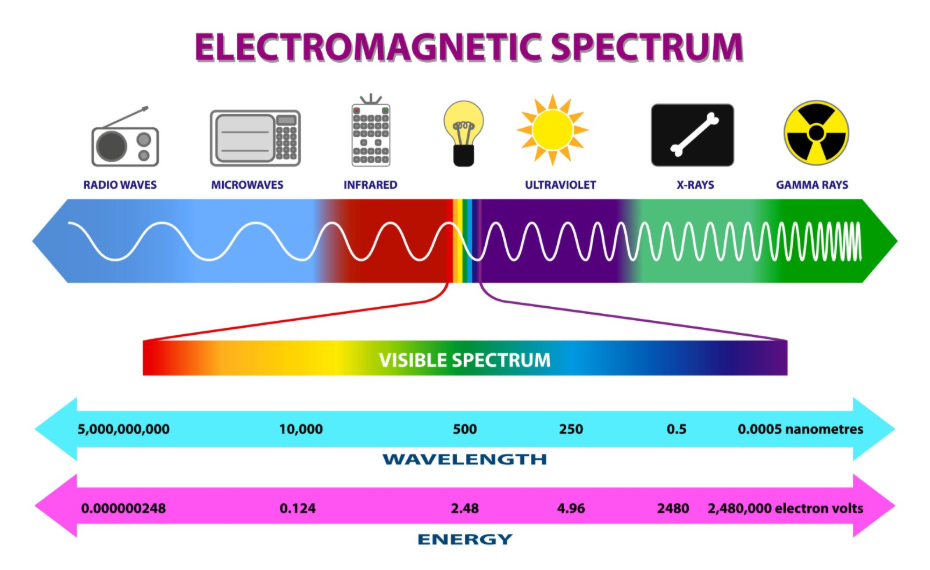
Large-scale international studies, which include data from the UK population, have consistently failed to show a definitive increase in brain tumours despite the rapid global rise in mobile technology. Researchers continue to monitor long-term users, but the consensus among UK health authorities remains that these devices are safe for general use. Clinicians provide this information to reassure patients who may be concerned about their daily environment. The focus of UK medical care remains on proven biological triggers rather than speculative environmental factors that lack a verified mechanical pathway to tumour formation.
Industrial Chemicals and Occupational Exposure
Certain industrial chemicals and occupational environments have been investigated as potential causes for brain tumours, but no definitive link has been established within the UK general population. Research has looked at workers in industries such as oil refining, rubber manufacturing, and agriculture to see if exposure to specific solvents or pesticides increases risk. While some small-scale studies suggested possible links, larger and more robust UK epidemiological reviews have not found a consistent pattern.
| Exposure Type | Common Source | UK Clinical Evidence Level |
| Ionising Radiation | Radiotherapy; nuclear industry. | Proven risk factor. |
| Pesticides | Agricultural work. | No definitive link found. |
| Solvents | Rubber/Chemical industry. | Inconsistent/low evidence. |
| Lead/Metals | Manufacturing/Construction. | No established causal link. |
In the United Kingdom, health and safety regulations are in place to minimise exposure to hazardous substances in the workplace as a general preventative measure for all cancers. The GOV.UK health pages provide clinical profiles and data on cancer service summaries, which help identify any unusual clusters of disease within specific industries. Because the brain is so well-protected by other biological mechanisms, industrial toxins are far less likely to cause a tumour there than in other organs like the lungs or liver.
The Blood Brain Barrier as a Natural Shield
The blood brain barrier is a unique and highly selective physiological filter that protects the brain from many environmental toxins and circulating chemicals that might otherwise cause harm. This barrier consists of tightly packed cells that line the blood vessels in the brain, ensuring that only essential nutrients and oxygen can pass through while blocking potentially harmful substances.
This natural shield is a primary reason why environmental factors have a much smaller impact on the brain compared to other parts of the body. Because the brain environment is so strictly regulated, the mutations that lead to tumours are more often the result of internal genetic errors rather than external environmental pollution. In the United Kingdom, researchers consider the strength of this barrier when explaining why lifestyle and environmental habits show little correlation with brain tumour incidence. This protective mechanism reinforces the clinical view that most brain tumours are sporadic events driven by internal biological processes.
Common Misconceptions Regarding the Environment
Several common environmental factors, such as high-voltage power lines and household appliances, are frequently cited as causes of brain tumours despite a total lack of scientific evidence. Public concern often stems from the proximity of these items to homes, but extensive UK research into electromagnetic fields has not shown a higher rate of brain tumours in people living near power lines.
Research in the UK has also dismissed links to the following:
- WiFi and Radio Waves: These emit very low levels of energy that do not penetrate or damage brain tissue.
- Domestic Appliances: Items like microwaves and hair dryers do not emit ionising radiation.
- Air Pollution: While a risk for lung health, there is no established link to primary brain tumours.
Healthcare professionals in the UK prioritise providing factual reassurance to dispel these myths. By focusing on established science, the NHS helps patients move away from speculative fears and toward evidence-based health management. If a patient presents with symptoms, the diagnostic process focuses on clinical signs rather than investigating their proximity to environmental structures like masts or cables.
UK Clinical Pathways for Risk Assessment
The United Kingdom uses integrated care pathways to assess individuals with significant environmental risks, particularly those with a documented history of high-dose radiation exposure. This process begins with a GP or specialist reviewing the patient’s medical history to identify any past radiotherapy or significant industrial accidents.
The UK assessment pathway includes:
- Detailed History Taking: Identifying specific past medical treatments involving radiation.
- Neurological Examinations: Regularly checking balance, vision, and coordination for any subtle changes.
- Advanced Imaging: Using MRI scans, which do not use ionising radiation, for monitoring at-risk individuals.
- MDT Oversight: A Multidisciplinary Team of specialists reviewing any suspicious findings.
This structured system ensures that those with genuine environmental risks are monitored according to the latest clinical evidence. By following these national protocols, the NHS maintains a safety net that prioritises early detection for high-risk groups while providing balanced information to the general public. This ensures that clinical resources are used effectively and that patient care is grounded in proven medical science.
Conclusion
Ionising radiation is the only proven environmental cause of brain tumours, while other factors like mobile phones and chemicals have no established link. In the UK, the NHS uses strict regulations to manage medical radiation and follows evidence-based pathways for monitoring individuals with significant past exposure. The blood brain barrier provides a vital natural defence against many other environmental triggers that might affect the rest of the body. Consistent clinical monitoring and accurate diagnosis are the most effective ways to manage neurological health. If you experience severe, sudden, or worsening symptoms, call 999 immediately.
Does living near a mobile phone mast cause brain tumour?
Current scientific evidence in the UK shows no link between living near phone masts and an increased risk of developing a brain tumour.
Can a CT scan give me a brain tumour?
A single CT scan involves a very small dose of radiation, and the risk of it causing a tumour is extremely low compared to its diagnostic benefits.
Is the radiation from a microwave dangerous?
No; microwaves use non-ionising radiation which does not have enough energy to damage DNA or cause tumours.
Are children more sensitive to environmental risks?
Children are more sensitive to ionising radiation, which is why UK clinicians are extra cautious when ordering scans for younger patients.
Can chemicals in plastic bottles cause brain tumours?
There is no established medical evidence that chemicals like BPA found in plastics lead to the development of brain tumours.
Why do people still worry about power lines?
Public concern often persists due to older, inconclusive studies, but modern UK research has not supported a causal link.
What environmental factor should I be most concerned about?
High-dose therapeutic radiation is the only proven environmental risk; for most people, there are no specific environmental changes required to prevent tumours.
Authority Snapshot (E-E-A-T)
This article provides medically factual health education regarding environmental causes of brain tumours, strictly aligned with NHS and NICE clinical guidelines. The content is developed by a professional medical writing team and reviewed by Dr. Stefan Petrov, a UK-trained physician with experience in emergency care, surgery, and clinical education. All information follows current UK public health protocols to ensure clinical accuracy and patient safety.
