
Bowel cancer can lead to anaemia or a low red blood cell count, often serving as one of the primary clinical indicators of the condition. Anaemia occurs when the body lacks enough healthy red blood cells to carry sufficient oxygen to the various tissues and organs. In the context of bowel cancer, this is typically caused by persistent, microscopic bleeding from a tumour within the colon or rectum. Because this blood loss is often gradual and invisible to the naked eye, the resulting anaemia may develop slowly, leading to a range of systemic symptoms such as fatigue and breathlessness. In the United Kingdom, healthcare professionals frequently use blood tests to identify unexplained anaemia as a potential red flag that necessitates further investigation of the digestive tract.
What We’ll Discuss in This Article
- The biological mechanism linking bowel tumours to blood loss.
- How iron-deficiency anaemia develops from chronic internal bleeding.
- Common physical symptoms associated with a low blood count.
- The role of blood tests in the early detection of bowel abnormalities.
- Why hidden blood in the stool is a key focus of national screening.
- UK clinical pathways for managing patients with unexplained anaemia.
The Relationship Between Bowel Tumours and Bleeding
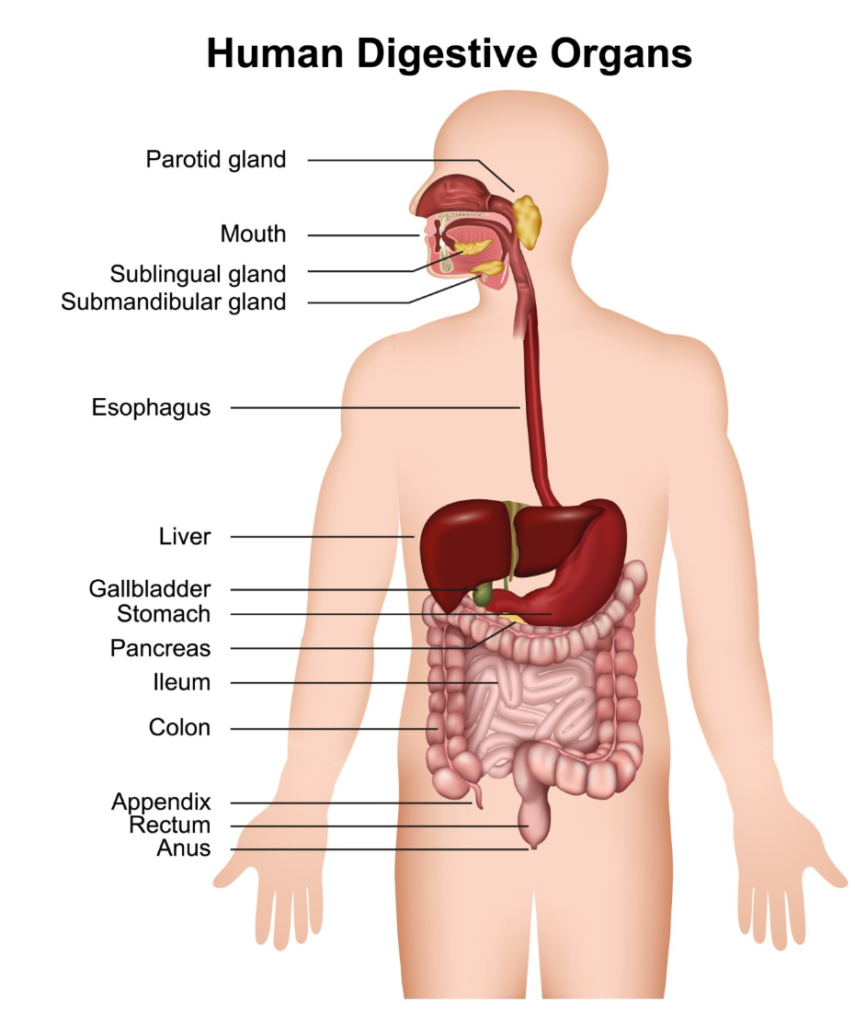
Bowel cancer causes anaemia because tumours in the large intestine are often composed of abnormal, fragile tissue with a rich but delicate supply of blood vessels. As waste moves through the colon or rectum, it can rub against the surface of the tumour, causing these vessels to rupture and release small amounts of blood. Over time, even if the amount of blood lost during each bowel movement is minimal, the cumulative effect can deplete the body’s total volume of red blood cells.
In many instances, the bleeding is described as occult, meaning it is hidden and does not change the visible appearance of the stool. The NHS states that bowel cancer can cause a lack of iron in the body, which leads to anaemia and subsequent feelings of tiredness or breathlessness. This hidden nature of the blood loss is why many individuals may not realise they have a problem until they begin to feel the systemic effects of a low blood count.
Development of Iron-Deficiency Anaemia
Iron is an essential component of haemoglobin, the protein in red blood cells that binds to oxygen; when a tumour bleeds consistently, the body’s iron stores are slowly exhausted. Once these stores are depleted, the bone marrow cannot produce enough haemoglobin to create new red blood cells, resulting in iron-deficiency anaemia. This is a common finding in colorectal cancer, particularly when the tumour is located in the right side of the colon, where the bowel is wider and tumours can grow significantly before causing other digestive symptoms.
Clinical assessment in the UK prioritises identifying the cause of iron-deficiency anaemia, especially in post-menopausal women and men of all ages. NICE guidelines recommend that clinicians should offer an urgent referral for suspected cancer to adults with unexplained iron-deficiency anaemia to rule out a malignancy in the bowel. Because the body is resilient, it often compensates for the low blood count for a period, meaning symptoms might only become noticeable once the anaemia has become moderate or severe.
Physical Symptoms of a Low Blood Count
A low blood count manifests through various physical signs that reflect the body’s struggle to oxygenate its tissues. The most frequent symptom is persistent fatigue or a lack of energy that does not improve with rest. Individuals may also notice that they become breathless more easily than usual, such as when walking up stairs or carrying heavy bags. This happens because the heart and lungs have to work significantly harder to circulate the limited number of red blood cells available.
Other signs of anaemia can include a noticeably pale complexion, heart palpitations, or a feeling of light-headedness. Some people may also experience cold hands and feet or a sore, smooth tongue. While these symptoms can be caused by many different health issues, their presence alongside any change in bowel habit or abdominal discomfort increases the clinical suspicion that the cause may be located within the digestive tract.
The Role of Blood Tests and Screening
Blood tests are a vital tool for identifying anaemia before it causes severe symptoms or before the underlying bowel condition becomes advanced. A Full Blood Count (FBC) measures the concentration of haemoglobin and the number of red blood cells, while a Ferritin test measures the body’s iron stores. If these results show low levels without an obvious reason, such as a diet very low in iron or significant visible bleeding from another source, it prompts a medical investigation into the health of the bowel.
The national bowel cancer screening programme also plays a role in identifying those at risk of anaemia. By using the Faecal Immunochemical Test (FIT), the programme detects microscopic traces of blood in the stool that would otherwise go unnoticed. The UK national screening programme helps identify people who may have polyps or early-stage cancer that is causing hidden blood loss, even if they currently feel healthy. Early detection through these methods allows for intervention before significant anaemia develops.
Differentiating Anaemia Causes
It is important to understand that anaemia is a common condition with many potential causes other than bowel cancer. Nutritional deficiencies, certain medications, chronic kidney disease, and other digestive conditions like coeliac disease or inflammatory bowel disease can all lead to a low blood count. In younger women, menstrual blood loss is the most frequent cause of iron deficiency.
The table below compares the general features of anaemia in different clinical contexts.
| Feature | Anaemia from Blood Loss (e.g. Bowel) | Anaemia from Nutrient Deficiency |
| Haemoglobin Level | Low | Low |
| Iron Stores (Ferritin) | Typically very low | Can be low (Iron) or normal (B12/Folate) |
| Onset | Often gradual and persistent | Can be related to diet or absorption |
| Associated Digestive Signs | Change in bowel habits or pain | Often none, or related to malabsorption |
| Primary Demographic | Often older adults (men/post-menopausal women) | Can affect any age group |
| Primary Investigation | Colonoscopy or CT scan | Blood vitamin levels and dietary review |
Clinical Pathways for Unexplained Anaemia in the UK
In the UK, when a patient is found to have unexplained iron-deficiency anaemia, they are usually placed on a fast-track diagnostic pathway. This typically involves a referral to a gastroenterologist who may perform a colonoscopy to view the lining of the large bowel directly. A gastroscopy may also be performed to check the stomach for other sources of bleeding, such as ulcers.
These investigations are essential because treating the anaemia with iron tablets alone may mask the symptoms of an underlying tumour without addressing the source of the blood loss. By identifying the cause of the bleeding, the medical team can develop a comprehensive treatment plan. Reporting symptoms of fatigue or breathlessness to a GP, especially if they are new or worsening, ensures that these diagnostic steps can be taken as early as possible.
Conclusion
Bowel cancer is a frequent cause of unexplained anaemia and a low blood count due to chronic, hidden bleeding from tumours in the colon or rectum. While anaemia is a common condition with many causes, its presence in certain demographics is a significant clinical indicator that warrants a thorough investigation of the bowel. Early detection through blood tests and national screening programmes is essential for identifying the source of blood loss and initiating appropriate treatment. If you experience severe, sudden, or worsening symptoms, call 999 immediately.
Can I have bowel cancer if my blood count is normal?
Yes, it is possible to have bowel cancer without being anaemic, especially in the very early stages before a tumour has started to bleed significantly.
Will iron tablets fix the anaemia caused by bowel cancer?
Iron tablets may improve your haemoglobin levels, but they will not stop the bleeding or treat the underlying tumour, so a medical investigation is still necessary.
How much blood do you have to lose to become anaemic?
Even losing a few drops of blood every day can lead to anaemia over several months, as the body’s iron stores are slowly depleted faster than they can be replaced.
Why is anaemia from the right side of the colon harder to spot?
The right side of the colon is wider, so tumours can grow larger and bleed for a long time without causing a blockage or visible blood in the stool.
Is breathlessness always a sign of a heart or lung problem?
No, breathlessness is a common symptom of anaemia because the blood cannot carry enough oxygen to meet the body’s demands during physical activity.
Do all bowel tumours bleed?
Not all tumours bleed constantly; some may bleed intermittently, which is why repeat screening or further diagnostic tests are often required.
Can a stool test replace a blood test for anaemia?
No, a blood test measures your current blood levels, while a stool test looks for the presence of blood in the waste; both are used together to provide a full clinical picture.
Authority Snapshot (E-E-A-T)
This article provides educational information on the link between bowel cancer and anaemia strictly aligned with UK clinical standards. The content is based on the National Health Service (NHS) and the National Institute for Health and Care Excellence (NICE) guidelines for colorectal cancer diagnosis and anaemia management. It has been reviewed by the Medical Content Team and Dr. Rebecca Fernandez to ensure clinical accuracy and safety for the general public.
