
Bowel cancer can develop at any age, although it is significantly more common in older adults. While the vast majority of cases in the United Kingdom occur in individuals aged 50 and over, there has been a documented increase in the number of younger people being diagnosed with the condition. Because the risk profile changes throughout a person’s life, understanding how age interacts with other factors such as genetics and lifestyle is vital for ensuring that symptoms are not overlooked, regardless of how old a person is. Early detection remains the most critical factor in successful treatment, making symptom awareness a priority for the entire adult population.
What We’ll Discuss in This Article
- The statistical relationship between age and bowel cancer risk.
- Reasons for the rising incidence of bowel cancer in younger adults.
- The role of hereditary conditions in early-onset cases.
- How symptoms may be misinterpreted in different age groups.
- The structure of the UK national bowel cancer screening programme.
- Why lifestyle choices matter from an early age for bowel health.
The Relationship Between Age and Bowel Cancer Risk
Bowel cancer is primarily an age-related disease because the cells in the lining of the colon and rectum accumulate genetic damage over time. Each time a cell divides, there is a small chance that a mutation will occur; as a person grows older, these cumulative errors increase the likelihood that a cell will grow uncontrollably and form a tumour. Consequently, the statistical risk of developing bowel cancer rises sharply as individuals enter their fifties, sixties, and seventies.
Despite this clear trend, clinical data shows that bowel cancer is not exclusive to the elderly. Bowel cancer is most common in people over the age of 50, but it can affect people of any age, including those in their twenties, thirties, and forties. This reality highlights the need for clinicians and the public to maintain a high index of suspicion when persistent bowel symptoms occur, even in individuals who do not fit the typical age profile for the disease.
Bowel Cancer in Younger Adults
The incidence of bowel cancer in people under the age of 50, often referred to as early-onset bowel cancer, has been increasing in the UK and other developed nations. While the absolute number of cases in this age group remains lower than in the elderly, the rising trend is a subject of significant clinical research. It is often found that younger patients may wait longer before seeking medical advice, as they may assume their symptoms are related to less serious conditions such as irritable bowel syndrome or haemorrhoids.
Because younger adults are not yet eligible for routine national screening, their diagnosis often depends entirely on the recognition of symptoms. NICE guidelines recommend that healthcare professionals should consider an urgent referral for suspected cancer in younger patients who present with unexplained symptoms like persistent rectal bleeding or changes in bowel habit. Awareness campaigns in the UK now place a greater emphasis on the fact that “never too young” is a vital message for both patients and primary care providers.
The Role of Hereditary and Genetic Factors
For younger individuals who develop bowel cancer, there is a higher probability that a hereditary genetic condition is involved. Conditions such as Lynch syndrome or Familial Adenomatous Polyposis (FAP) can cause bowel cancer to develop much earlier than it would in the general population. These syndromes are caused by inherited mutations that impair the body’s ability to repair DNA or prevent the growth of polyps in the colon.
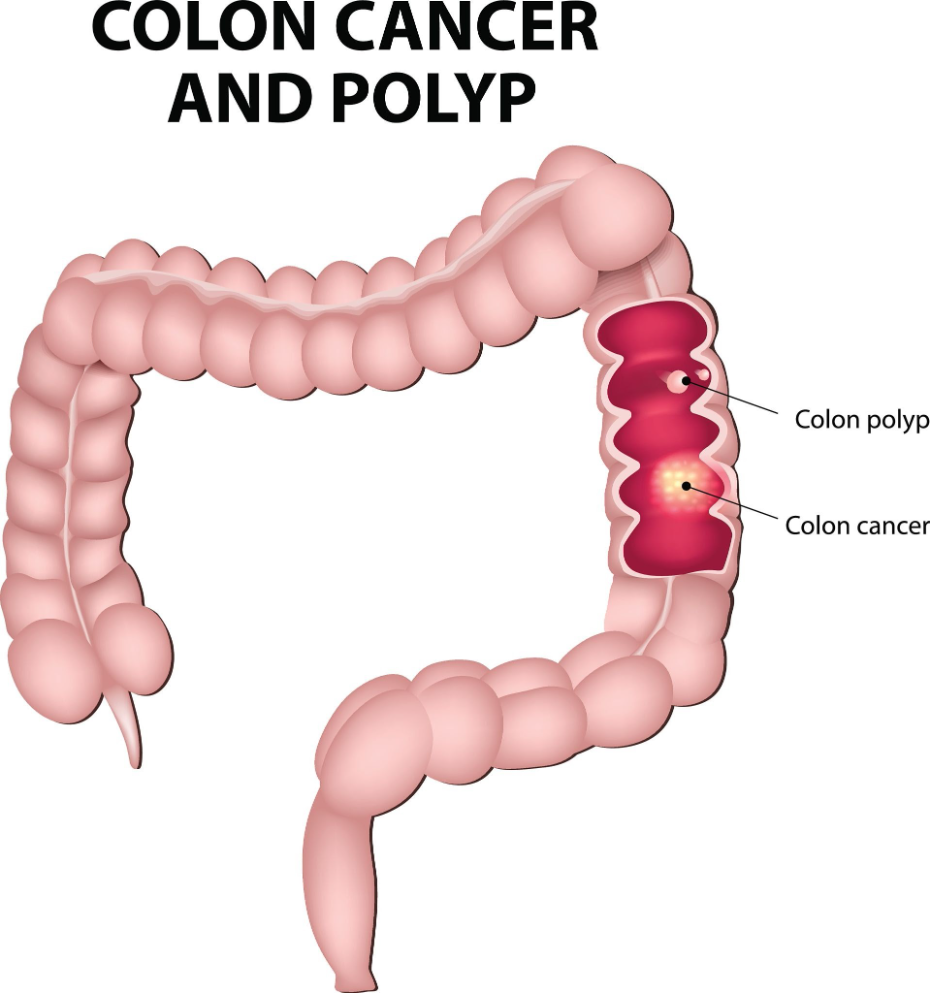
If a family has a history of bowel cancer diagnosed at a young age, or if multiple family members have had related cancers, genetic testing and specialist surveillance are often recommended. Identifying Lynch syndrome is a priority in the UK because it allows for earlier and more frequent screening to detect tumours or precancerous polyps before they become advanced. This proactive approach is the most effective way to manage the increased risk associated with genetic predispositions.
Symptom Awareness Across Age Groups
The symptoms of bowel cancer are largely the same regardless of age, but the way they are interpreted by patients and doctors can vary. Common signs include blood in the stools, a persistent change in bowel habit such as looser stools or going more often, and unexplained weight loss or tiredness. In older adults, these symptoms are more likely to be investigated for cancer immediately because the age-related risk is well-known.
In younger people, these same symptoms are frequently attributed to diet, stress, or common issues like piles. This can lead to a delay in diagnosis, which may result in the cancer being found at a more advanced stage. It is essential for individuals of all ages to monitor their bowel health and report any changes that last for three weeks or more to their GP. Early investigation, such as a simple stool test or a physical examination, can help rule out serious causes or ensure that necessary treatments begin promptly.
National Screening and Age Eligibility
The UK national bowel cancer screening programme is strategically designed to target the age groups where the risk is highest and the benefit of screening is greatest. In England, the programme currently invites men and women aged 54 to 74 to take a home test every two years, with the starting age gradually being lowered to 50. The test, known as a Faecal Immunochemical Test (FIT), detects tiny amounts of blood in the stool that may indicate the presence of polyps or early-stage cancer.
While screening is not routinely offered to those under 50 unless they have a specific high-risk condition, the success of the programme in older adults has demonstrated the value of early detection. For those outside the screening age, the “safety net” is a combination of personal symptom awareness and clinical assessment by a GP. Participation in screening when invited is one of the most effective ways for older adults to reduce their risk of dying from bowel cancer.
Comparison of Age-Related Risk and Management
The following table summarises how the approach to bowel cancer differs across the lifespan.
| Feature | Younger Adults (Under 50) | Older Adults (50 and Over) |
| Statistical Risk | Lower, but increasing | Significantly higher |
| Primary Detection | Symptom recognition | National screening (FIT) and symptoms |
| Genetic Influence | Higher likelihood of hereditary syndromes | Mostly “sporadic” (related to age/lifestyle) |
| Typical Symptoms | Bleeding, change in habit, pain | Bleeding, change in habit, anaemia |
| Clinical Focus | Early diagnosis of symptomatic cases | Prevention through screening and polyps |
| Common Misdiagnosis | Piles, IBS, dietary changes | Diverticular disease, medication effects |
Conclusion
While age is the most significant factor in the development of bowel cancer, the disease can and does occur at any age. Younger adults may be at a lower absolute risk, but they are more likely to have genetic risk factors and can face delays in diagnosis due to lower awareness. Older adults benefit from a structured national screening programme, yet they must also remain vigilant for symptoms between tests. Regardless of age, any persistent changes in bowel habits should be assessed by a medical professional to ensure the best possible health outcomes. If you experience severe, sudden, or worsening symptoms, call 999 immediately.
Is bowel cancer more aggressive in younger people?
Some studies suggest that bowel cancer in younger people can sometimes be a more aggressive biological type, but it is also more likely to be diagnosed at a later stage due to delayed symptom recognition.
Why is the screening age starting at 50 rather than 40?
Screening programmes are designed based on where they can save the most lives; currently, the vast majority of cases occur in those over 50, making this the most effective age to start routine testing.
Can children get bowel cancer?
It is extremely rare for children to develop bowel cancer; cases in individuals under the age of 18 are almost exclusively linked to rare hereditary syndromes like Familial Adenomatous Polyposis.
Does a family history mean I will get it at a young age?
Not necessarily, but it does increase your risk compared to someone without a family history; your GP can determine if you need early referral for specialist advice.
Can diet prevent early-onset bowel cancer?
A healthy, high-fibre diet is beneficial at any age, but it is particularly important to establish good habits early in life to reduce the long-term risk of developing polyps.
Is blood in the stool always cancer in younger people?
No, in younger people, blood is more commonly caused by haemorrhoids or small tears (fissures), but it still must be checked by a doctor to be certain.
What is Lynch syndrome?
Lynch syndrome is an inherited condition that increases the risk of several types of cancer, most notably bowel cancer, and often causes it to develop at an earlier age.
Authority Snapshot (E-E-A-T)
This article is designed to provide clear and medically accurate information on bowel cancer and age according to UK clinical standards. The content is strictly aligned with the guidelines of the National Health Service (NHS) and the National Institute for Health and Care Excellence (NICE). It has been produced and reviewed by the Medical Content Team and Dr. Rebecca Fernandez to ensure clinical accuracy for a general audience.
