
Cerebral palsy can affect sleep by causing physical discomfort, muscle stiffness, and respiratory challenges that disrupt the natural sleep cycle and prevent restorative rest. In the United Kingdom, sleep difficulties are recognised as a significant associated feature of the condition, requiring a multidisciplinary approach within the NHS to manage effectively. While the underlying brain injury is static, its impact on sleep can change as a person grows. Following evidence-based guidelines from NICE, UK healthcare teams focus on improving sleep hygiene and addressing physical triggers to enhance overall wellbeing. Understanding the relationship between motor impairment and sleep help families navigate the specialist services available within the British healthcare system. This article explores the primary causes of sleep disruption, the impact of muscle spasticity, and the comprehensive support pathways provided to assist individuals in achieving better sleep quality. By focusing on established medical facts, patients and caregivers can better understand the structured care provided by the NHS for these complex needs.
What We’ll Discuss in This Article
- The impact of muscle stiffness and spasticity on sleep comfort.
- Managing sleep-disordered breathing and respiratory health.
- The role of pain and nocturnal muscle spasms in waking.
- Establishing sleep hygiene and environmental adaptations in the UK.
- Integrated NHS therapy and pharmaceutical support for sleep.
- Accessing specialist sleep clinics and multidisciplinary reviews.
Impact of Muscle Spasticity and Posture on Sleep
Cerebral palsy affects sleep primarily by causing high muscle tone or spasticity, which makes it difficult for the individual to find and maintain a comfortable resting position throughout the night. Muscles that are stiff and tight can pull on the joints, leading to aches that prevent the person from falling asleep or cause them to wake frequently when they try to move. The NHS states that people with cerebral palsy may have sleep problems, often caused by muscle stiffness or difficulties with movement and posture.
In the United Kingdom, occupational therapists and physiotherapists work together to recommend “postural management” for the night-time. This involves using specialist equipment, such as sleep systems or moulded cushions, to support the body in a neutral position. By maintaining correct alignment of the hips, spine, and knees, the tension on the muscles is reduced. This integrated approach ensures that the physical environment supports the individual’s neurological needs, allowing the body to relax more fully. Without proper postural support, persistent stiffness can lead to long-term joint complications that further degrade sleep quality. The NHS prioritises these physical interventions as the first step in managing sleep challenges, ensuring that comfort is maximised before considering other treatments.
Sleep-Disordered Breathing and Respiratory Health
Respiratory challenges, including obstructive sleep apnoea or shallow breathing, are common in individuals with cerebral palsy and can significantly impact the quality and safety of their sleep. These issues often result from poor muscle coordination in the throat or chest, which can lead to partial blockages of the airway or reduced oxygen levels during the night. NICE clinical guidelines for cerebral palsy indicate that individuals should be assessed for sleep-disordered breathing, as it can cause daytime fatigue and impact overall health.
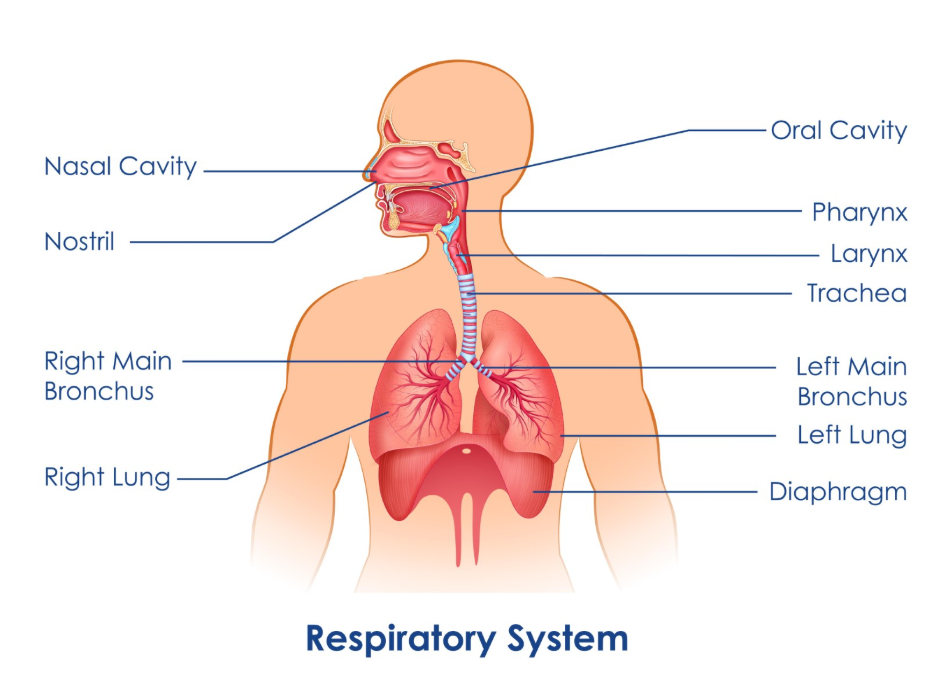
Symptoms of respiratory sleep issues in the UK include:
- Heavy Snoring: Indicating that the airway is narrowed or partially blocked.
- Pauses in Breathing: Brief periods where breathing stops, often followed by a gasp.
- Restless Sleep: Frequent tossing and turning as the body struggles to maintain oxygen.
- Daytime Drowsiness: Extreme tiredness despite appearing to have slept for a full night.
If these signs are present, the NHS may refer the individual to a specialist sleep clinic for an overnight study called a polysomnography. This test monitors heart rate, oxygen levels, and breathing patterns to identify the specific nature of the problem. Treatments in the UK can include the use of a CPAP machine, which provides a continuous flow of air to keep the airway open. Managing respiratory health is essential not only for better sleep but also for protecting long-term cardiovascular stability. By addressing these breathing challenges, the multidisciplinary team helps the individual achieve more consistent and safe rest.
Nocturnal Pain and Muscle Spasms
Pain and sudden, involuntary muscle spasms are major factors that disrupt sleep for many people with cerebral palsy, often causing sudden awakenings and difficulty returning to rest. Spasms can be triggered by a change in temperature, a full bladder, or simply the body attempting to shift position during the night.
| Type of Disruption | Clinical Cause | Impact on Sleep in the UK |
| Nocturnal Spasms | Sudden firing of motor neurons. | Sharp pain and immediate awakening. |
| Dystonic Posturing | Involuntary twisting movements. | Difficulty staying in a safe sleep position. |
| Chronic Joint Pain | Long-term impact of muscle pull. | Persistent aching that prevents deep sleep. |
| Pressure Sores | Inability to shift weight independently. | Discomfort and risk of skin breakdown. |
In the United Kingdom, the management of night-time pain involves a combination of physical therapy and, where appropriate, medication. Specialist nurses may recommend gentle stretching before bed to help relax the muscles. If spasms are severe, the NHS may prescribe muscle relaxants such as baclofen to be taken in the evening. It is also vital to rule out other causes of pain, such as gastro-oesophageal reflux or constipation, which are common in individuals with the condition and can worsen at night. By providing a holistic review of the person’s physical comfort, the healthcare team aims to reduce the frequency of painful awakenings, leading to more stable and restorative sleep patterns.
Sleep Hygiene and Environmental Adaptations
Establishing a consistent sleep hygiene routine and making specific environmental adaptations are essential strategies used in the United Kingdom to help individuals with cerebral palsy regulate their body’s internal clock. Because neurological conditions can sometimes affect the production of melatonin (the sleep hormone), a highly structured routine helps the brain understand when it is time to rest.
Key elements of sleep hygiene in the UK include:
- Routine: Going to bed and waking up at the same time every day to stabilise the circadian rhythm.
- Calming Environment: Ensuring the bedroom is dark, quiet, and at a cool, comfortable temperature.
- Pre-sleep Rituals: Engaging in relaxing activities such as a warm bath or quiet music before bed.
- Sensory Management: Using weighted blankets or specific bedding textures for those with sensory sensitivities.
In the UK, occupational therapists may conduct home visits to suggest practical changes, such as blackout blinds or specialist beds that can be tilted to aid breathing and comfort. They also advise on reducing “blue light” exposure from screens in the hour before sleep. For some, the NHS may consider the use of prescribed melatonin to help establish a better sleep-wake cycle, although this is usually considered alongside behavioural strategies. This integrated approach ensures that the person’s sensory and environmental needs are met, providing the best possible conditions for sleep to occur naturally.
Integrated NHS Support and Specialist Reviews
The United Kingdom provides a comprehensive framework of integrated support to help individuals with cerebral palsy and their families manage complex sleep issues through multidisciplinary reviews. This coordinated effort ensures that all potential triggers for sleep disruption are assessed and managed by the relevant specialists. The GOV.UK health pages provide clinical profiles indicating that the management of sleep and fatigue is a core part of the integrated care for long-term neurological conditions.
The UK support framework involves:
- Sleep Specialists: Clinicians who conduct detailed assessments and sleep studies.
- Paediatricians/Neurologists: Managing medications and reviewing overall neurological stability.
- Specialist Nurses: Providing practical advice and a consistent point of contact for families.
- Therapy Teams: Ensuring that daytime positioning and activity support night-time rest.
By utilising this integrated framework, the NHS ensures that the management of sleep is consistent and evidence-based. Accessing these services through a GP or hospital consultant ensures that any interventions are medically supervised and safe. Regular reviews allow the team to adjust the sleep plan as the individual grows or as new challenges emerge. This continuous safety net is essential for protecting the health and quality of life for those living with cerebral palsy in the United Kingdom.
Conclusion
Cerebral palsy can significantly affect sleep through muscle stiffness, nocturnal pain, and respiratory challenges like sleep apnoea. In the UK, the NHS manages these issues through integrated multidisciplinary teams, focusing on postural management, sleep hygiene, and medical interventions where necessary. While spasticity can make finding a comfortable position difficult, specialist equipment and therapy can provide the necessary physical support. Managing associated health issues like reflux or breathing difficulties is also a core part of the care pathway. Following a structured sleep plan ensures the best possible outcomes for restorative rest and daytime function. The UK healthcare system provides a life-long framework of support for these complex needs.
Can a weighted blanket help a child with cerebral palsy sleep?
For some with sensory processing needs, a weighted blanket can provide calming input, but you should seek advice from an occupational therapist in the UK first for safety.
Is melatonin always prescribed for sleep issues in the UK?
No; melatonin is usually only considered if behavioural and environmental changes have not been successful and is prescribed under medical supervision.
How does a sleep system work?
A sleep system uses various supports and cushions to hold the body in a neutral position, reducing muscle strain and preventing joint stiffness overnight.
Can my child’s sleep problems affect their daytime behaviour?
Yes; poor sleep quality is closely linked to increased irritability, frustration, and difficulty concentrating during the day.Why does my child sweat so much during sleep?
Why does my child sweat so much during sleep?
Increased muscle tone can cause the body to work harder even at rest, sometimes leading to temperature regulation issues or excessive sweating.
Will my child grow out of these sleep difficulties?
The underlying condition is lifelong, but with the right support and strategies from the NHS, sleep patterns can be significantly improved over time.
Who should I talk to first if I am worried about my child’s sleep?
Your first point of contact should be your GP or specialist nurse, who can refer you to the appropriate multidisciplinary team for a review.
Authority Snapshot (E-E-A-T)
This article provides medically factual health education regarding how cerebral palsy affects sleep, strictly aligned with NHS and NICE clinical guidelines. The content is developed by a professional medical writing team and reviewed by Dr. Rebecca Fernandez, a UK-trained physician with experience in general surgery, cardiology, and emergency medicine. All information follows current UK public health protocols to ensure clinical accuracy and patient safety.
