
Developmental delay can affect sensory processing by disrupting the way the brain receives, organises, and responds to information from the senses, leading to unusual reactions to touch, sound, or movement. In the United Kingdom, these challenges are often identified alongside motor or cognitive lags during routine health visitor and paediatric reviews. Identifying sensory processing difficulties early allows for the implementation of integrated multidisciplinary support, including occupational therapy, to help children navigate their environment more effectively.
What We’ll Discuss in This Article
- The clinical link between developmental delay and sensory processing.
- Identifying signs of sensory over-responsivity and under-responsivity.
- How sensory challenges impact motor skills and coordination.
- The role of the NHS diagnostic pathway in assessing sensory needs.
- Integrated support systems including occupational therapy and sensory diets.
- Practical strategies for supporting sensory development at home and school.
The Connection Between Development and Sensory Integration
Sensory processing is the neurological process of organising information from the body and environment, and it is frequently affected in children with developmental delay because the brain’s processing pathways may mature differently. When a child experiences a delay in one area of development, it often indicates a broader difference in how their central nervous system integrates information. The NHS states that a developmental delay is usually suspected if a child is not reaching milestones like sitting up, walking or talking by a certain age.
In the United Kingdom, healthcare professionals recognise that sensory processing is fundamental to achieving other milestones. For example, a child needs to process information about where their body is in space (proprioception) to learn how to crawl or walk. If these sensory signals are muffled or overwhelming, it can result in a physical developmental delay. This structured approach to monitoring ensures that any sensory lags are identified while the child’s brain is at its most adaptable. By focusing on these early integration targets, the healthcare system provides a foundation for more complex learning and social participation later in life. Understanding this connection helps the multidisciplinary team provide more targeted support that addresses the root cause of the child’s challenges.
Identifying Signs of Sensory Processing Challenges
Identifying how developmental delay affects sensory processing involves recognising specific indicators where a child reacts unusually to sensory input, such as being extremely sensitive to loud noises or seeking out intense physical sensations. In the United Kingdom, these signs are monitored during routine developmental check-ups to ensure children can access support as soon as a need is identified. NICE clinical guidelines for developmental monitoring indicate that persistent lags in multiple areas of development should prompt a referral for a specialist paediatric assessment.
| Sensory Response | Common Signs Observed in the UK | Clinical Impact |
| Over-responsivity | Distress at loud noises; avoids certain clothing textures. | May lead to social withdrawal or anxiety. |
| Under-responsivity | High pain threshold; does not notice when being called. | Can result in safety risks or missed social cues. |
| Sensory Seeking | Constant spinning or crashing into objects; fidgeting. | Often impacts focus and seated tasks in school. |
| Motor Challenges | Clumsiness; difficulty with balance or using tools. | Directly linked to motor developmental delay. |
In the UK, other sensory signs such as a lack of “joint attention” or an inability to tolerate specific food textures are considered significant. These indicators suggest that the brain’s sensory organisation pathways may not be maturing as expected. If a parent or professional identifies these signs, it triggers a referral to an occupational therapist or a paediatrician. This clinical review looks at the child’s full history to identify potential causes, such as neurodevelopmental conditions or environmental factors. By using these objective signs, the NHS provides a consistent safety net for all families.
How Sensory Challenges Impact Motor Development
Sensory processing difficulties can directly cause or worsen a motor developmental delay by making it harder for a child to coordinate their movements and understand their body’s position. This relationship is often seen in the areas of balance (vestibular sense) and body awareness (proprioception), which are the building blocks for achieving physical milestones. The GOV.UK health pages provide clinical profiles indicating that the early identification of sensory and motor lags is a priority for ensuring integrated educational and social support.
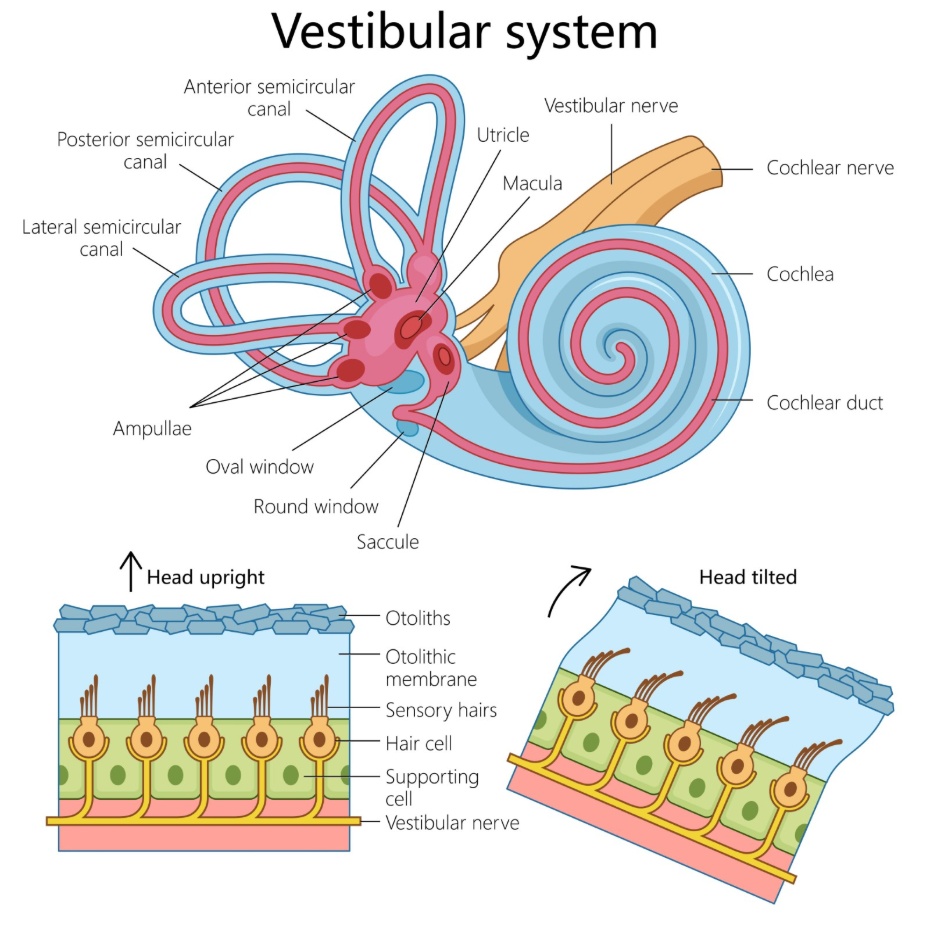
In the United Kingdom, a child with a “muffled” sense of where their limbs are might appear clumsy or struggle to learn how to use a spoon or pencil. This is often referred to as a fine motor delay, but the root cause may be sensory. Similarly, a child who is over-sensitive to movement may avoid activities like swinging or climbing, which are essential for developing gross motor strength. Occupational therapists in the UK assess these links by observing how a child moves and interacts with different equipment. By addressing the sensory barrier, the NHS helps the child progress in their physical development. This integrated view ensures that the management plan is coordinated and that the child receives the right intensity of support across both motor and sensory domains.
The NHS Diagnostic Pathway for Sensory and Developmental Needs
The diagnostic pathway for sensory and developmental challenges in the United Kingdom is a coordinated process that involves medical examinations, sensory screenings, and therapeutic assessments to find the underlying cause. This integrated journey ensures that the child’s functional potential and sensory health are assessed by various clinical experts.
The UK integrated diagnostic pathway involves:
- Initial Screening: Health visitors identifying concerns during routine reviews in the community.
- Paediatric Assessment: A specialist doctor conducting a full medical and neurological examination.
- Sensory Screening: Audiology and vision tests to rule out primary sensory loss (e.g., hearing impairment).
- Occupational Therapy Review: Detailed assessments of how sensory processing impacts daily tasks.
- Multidisciplinary Reviews: Specialists meeting at Child Development Centres to share findings.
In the UK, this process often takes place within a Child Development Centre. The goal is to determine if the sensory processing challenges are an isolated issue or part of a broader condition, such as autism spectrum disorder or a global developmental delay. Throughout this period, the focus remains on providing active support through early years settings. The NHS ensures that families are guided through these investigations by a lead professional, providing clarity and support during the diagnostic period. This professional framework is designed to ensure that the management plan is tailored to the child’s unique requirements.
Integrated Support: Occupational Therapy and Sensory Diets
Integrated support for sensory processing and developmental delay in the United Kingdom relies on a multidisciplinary approach where occupational therapists provide targeted interventions to improve a child’s functional skills. These supports are designed to help the child organise sensory information more effectively and achieve their maximum level of independence.
The UK integrated support framework includes:
- Occupational Therapy: Providing strategies to manage sensory triggers and improve motor coordination.
- Sensory Diets: Personalised plans involving specific activities that provide the right amount of sensory input.
- Environmental Adaptations: Recommending changes to home or school settings to reduce sensory overload.
- Equipment Provision: Supplying tools like weighted blankets or ear defenders to assist with regulation.
In the United Kingdom, these specialists work together to ensure that the child’s needs are addressed across all environments. For example, an occupational therapist might recommend a “sensory break” during the school day to help a child regulate their energy levels. This “joined-up” care ensures that the sensory support is consistent and supportive of the child’s overall development. The NHS also coordinates with local authorities to secure any necessary school-based assistance or long-term care plans. By utilising these integrated pathways, the healthcare system provides a secure and evidence-based framework for managing sensory challenges, helping every child achieve the best possible quality of life.
Conclusion
Developmental delay can affect sensory processing by altering how the brain interprets information from the body and the environment. In the UK, these challenges are monitored through the NHS health visitor and paediatric system to ensure that physical, cognitive, and sensory lags are identified together. Integrated support, primarily through occupational therapy and sensory strategies, helps children manage their reactions to sensory input and reach their functional potential. Following a coordinated management plan with a multidisciplinary team ensures that the child’s unique sensory needs are addressed holistically. The UK healthcare system provides a life-long framework of support for children and their families.
Does a sensory processing issue mean my child has autism?
Not necessarily; while sensory issues are common in autism, they can also occur in children with other developmental delays or in isolation.
What is a “sensory diet”?
In the UK, this is a personalised plan of physical activities and sensory input designed to help a child stay calm and focused.
Can a child outgrow sensory processing challenges?
Many children in the UK learn to manage their sensory needs effectively through therapy and by adapting their environment as they grow.
Why does my child need a hearing test if they are sensitive to noise?
The NHS rules out physical hearing issues first to ensure that the sensitivity is neurological rather than related to a medical ear condition.
How do sensory issues affect a child at school?
They can make it difficult to sit still, concentrate in a noisy classroom, or participate in physical education and social activities.
Who is the best person to talk to if I am worried about my child’s senses?
In the United Kingdom, your health visitor or GP is the first point of contact for a developmental check and referral.
What happens at a Child Development Centre?
It is a specialist NHS hub where various therapists and doctors work together to assess and support children with additional needs.
Authority Snapshot (E-E-A-T)
This article provides medically factual health education regarding sensory processing and developmental delay, strictly aligned with NHS and NICE clinical guidelines. The content is developed by a professional medical writing team and reviewed by Dr. Stefan Petrov, a UK-trained physician with experience in general medicine, surgery, and emergency care. All information follows current UK public health protocols to ensure clinical accuracy and patient safety.
