




Nausea and vomiting are common clinical features of gallbladder disease in the United Kingdom, often occurring alongside abdominal pain. The gallbladder plays a vital role in digestion by releasing bile to break down fats, but when this process is disrupted by stones or inflammation, the digestive system can become significantly unsettled. In the UK, healthcare professionals monitor these gastrointestinal symptoms to determine if a patient is experiencing a temporary blockage or a more serious inflammatory condition. While nausea can be a vague symptom associated with many ailments, its specific presentation in relation to meals and upper abdominal discomfort is a key indicator for gallbladder issues. National health guidelines from the NHS provide a structured framework for identifying these signs, ensuring that patients receive appropriate diagnostic testing and care. By understanding the biological link between the gallbladder and the urge to vomit, individuals can better recognise the symptoms of gallbladder distress and seek timely medical review when necessary.
What We’ll Discuss in This Article
- The physiological link between the gallbladder and nausea
- Why vomiting often follows episodes of biliary colic
- The role of cholecystitis in persistent gastrointestinal distress
- How dietary triggers influence the onset of sickness
- Distinguishing gallbladder nausea from other digestive conditions
- Identifying signs of complications like bile duct blockages
- Clinical management of nausea during gallbladder recovery
Nausea and vomiting are very common symptoms of gallstones and gallbladder inflammation, often triggered by the body’s reaction to a blockage or irritation in the biliary system

The urge to vomit frequently occurs during an episode of gallbladder pain as the body responds to the intense pressure within the bile ducts. The most common symptom of gallstones is sudden and severe pain in the abdomen which may be accompanied by a feeling of sickness or being sick. When a gallstone obstructs the exit of the gallbladder, the organ contracts vigorously to overcome the blockage, which can stimulate the vagus nerve and trigger the vomiting centre in the brain. This response is often sudden and may occur shortly after eating a meal that requires significant bile for digestion, such as one high in fats or oils.
Biliary colic and temporary bouts of sickness
Biliary colic is the term used for the cramping pain caused by a gallstone temporarily blocking a duct, and nausea is an almost universal accompaniment to this pain. In the UK, patients often report that the feeling of sickness begins at the same time as the sharp pain in the upper right abdomen. Unlike some other causes of vomiting, being sick does not usually relieve the pain of biliary colic because the underlying mechanical blockage remains until the gallbladder relaxes. Most episodes of nausea related to simple gallstones are temporary, lasting for the duration of the pain episode before subsiding as the stone falls back into the main body of the gallbladder.
Persistent nausea and acute cholecystitis
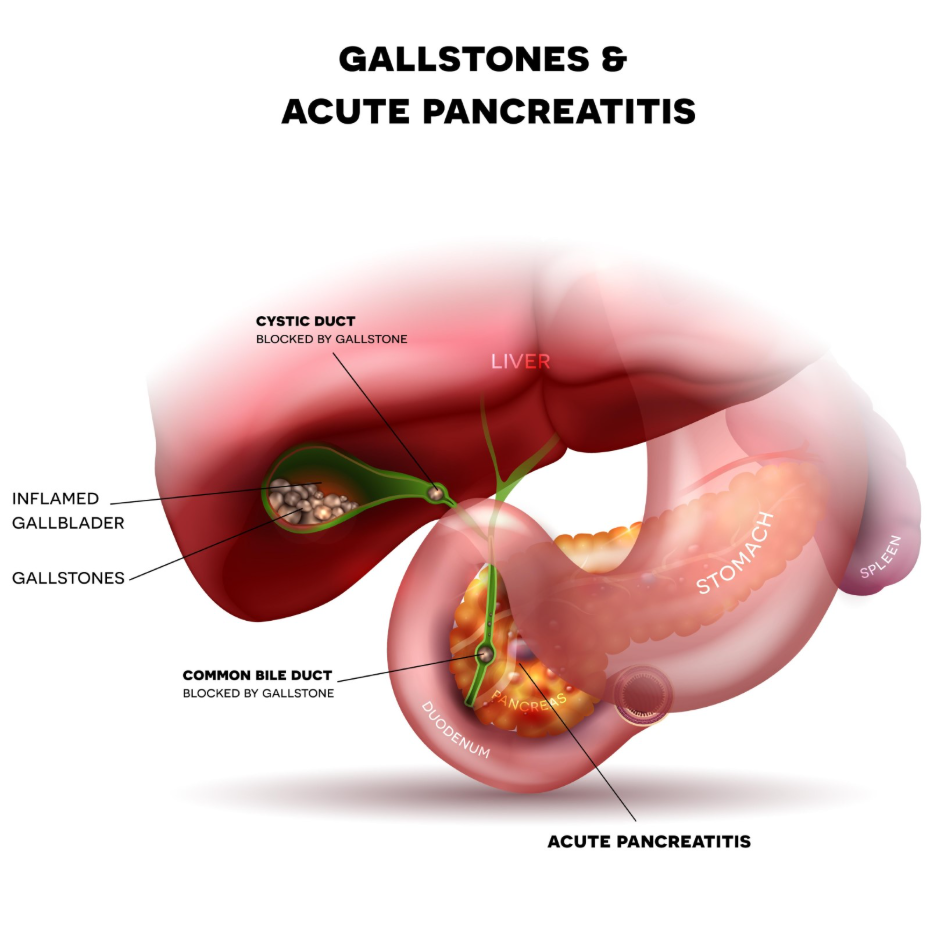
When the gallbladder becomes red and swollen, a condition known as cholecystitis, the nausea and vomiting tend to be much more persistent and severe. Cholecystitis is inflammation of the gallbladder which causes persistent pain, nausea, and a high temperature. Because the inflammation is constant, the irritation to the digestive tract does not settle after a few hours. Patients with acute cholecystitis often find they are unable to keep any food or water down, which can lead to dehydration if not managed in a hospital setting. In the United Kingdom, persistent vomiting combined with tenderness in the upper right abdomen is a significant indicator for clinicians to investigate for active gallbladder inflammation.
The role of dietary triggers in gallbladder sickness
The onset of nausea is often closely linked to what a person has eaten, as the gallbladder is highly responsive to dietary fats. When fat enters the small intestine, it triggers the release of hormones that make the gallbladder contract. If stones are present, these contractions can be painful and nauseating. According to the National Institute for Health and Care Excellence, identifying the relationship between fatty meals and gastrointestinal symptoms is an essential part of the diagnostic process for gallbladder disease. Many patients find that by adopting a low-fat diet, they can significantly reduce the frequency of nausea while waiting for a clinical review or surgery in the UK.
Complications and systemic signs of sickness
In some instances, nausea and vomiting can indicate that a gallstone has moved into the common bile duct or is affecting the pancreas. If a blockage prevents bile from reaching the gut, it can lead to jaundice and a general feeling of being very unwell. If the pancreas becomes involved, a condition known as pancreatitis, the vomiting can become extremely frequent, and the abdominal pain may radiate through to the back. UK clinicians look for secondary signs such as a high fever, yellowing of the skin, or very dark urine to determine if the nausea is a sign of these more serious complications. These situations are medical emergencies and require immediate hospital assessment to relieve the biliary pressure.
Conclusion
Nausea and vomiting are hallmark signs of gallbladder stones and cholecystitis, typically occurring alongside severe upper abdominal pain. While temporary sickness is common during biliary colic, persistent vomiting often suggests the gallbladder is inflamed or infected. Recognising the link between fatty meals and the onset of these symptoms is vital for an accurate diagnosis in the UK. Adopting a conservative diet and seeking a professional medical review can help manage these symptoms while a long-term treatment plan is established. If you experience severe, sudden, or worsening symptoms, call 999 immediately.
Can I have gallstones if I only have nausea without pain?
It is possible, but gallstones are more typically associated with pain; nausea alone can be caused by many other digestive issues.
Does being sick make the gallbladder pain go away?
No, vomiting usually does not relieve gallbladder pain because the pain is caused by a blockage in the duct rather than stomach upset.
Why does my nausea get worse at night?
Many people find symptoms worse at night, often following a heavy evening meal, or because lying flat can affect how the gallbladder sits.
Can children with gallstones experience vomiting?
Yes, although gallstones are rare in children, nausea and vomiting are common symptoms when they do occur.
Is it safe to take anti-sickness medicine for gallstones?
You should only take medications as advised by your GP, as they may want to investigate the cause of your sickness first.
Will my nausea stop after my gallbladder is removed?
For most people, the removal of the gallbladder resolves the nausea associated with stones and inflammation.
What should I eat if gallstones are making me feel sick?
The NHS generally recommends a low-fat diet, focusing on plain, high fibre foods while avoiding fried or greasy ingredients.
Authority Snapshot (E-E-A-T Block)
This article was developed by the Medical Content Team to provide clear education on the symptoms of gallbladder disease. The content has been reviewed by Dr. Stefan Petrov, a UK-trained physician with extensive experience in general medicine and emergency care, to ensure complete alignment with NHS and NICE clinical guidance. Our purpose is to help the public understand their digestive health through factual and restrained reporting.



