
Genetics can play a role in the development of brain tumours, although the majority of these growths occur sporadically due to random cellular mutations rather than being passed down through families. While most individuals diagnosed with a brain tumour have no significant family history of the condition, a small percentage of cases are linked to rare inherited genetic syndromes that increase susceptibility. In the United Kingdom, healthcare professionals utilise specific clinical criteria to identify families who may benefit from genetic counselling and specialised surveillance. Understanding the distinction between acquired mutations and inherited syndromes is essential for providing accurate information to the public and ensuring that those at higher risk receive appropriate clinical oversight. By following evidence-based protocols established by the NHS and NICE, medical teams aim to manage these risks while maintaining a neutral and factual perspective on the biological drivers of the condition.
What We’ll Discuss in This Article
- The biological difference between inherited and acquired genetic mutations.
- Common inherited syndromes associated with an increased risk of brain tumours.
- How the UK healthcare system identifies and monitors high-risk families.
- The role of genetic counselling and testing in the diagnostic pathway.
- Clarifying the low prevalence of hereditary brain tumours in the general population.
- Standard clinical protocols for long-term surveillance of genetic carriers.
Acquired versus Inherited Genetic Mutations
The development of a brain tumour is fundamentally a genetic process, but there is a vital clinical distinction between mutations that are acquired during a person’s lifetime and those that are inherited from a parent. Acquired mutations, also known as somatic mutations, are the cause of most brain tumours and occur when the DNA within a single brain cell is damaged by age, environment, or random error. The NHS states that a brain tumour is a growth of cells in the brain that multiplies in an abnormal, uncontrollable way.
Inherited mutations, or germline mutations, are present in every cell of the body from birth and are passed from parents to children. In the United Kingdom, it is estimated that fewer than five per cent of brain tumours are the result of an inherited genetic predisposition. Because acquired mutations are far more common, having a relative with a brain tumour does not necessarily mean an individual has an increased genetic risk. UK specialists focus on identifying patterns within a family tree to determine if a specific inherited syndrome might be present.
Inherited Syndromes and Tumour Susceptibility
Several rare inherited syndromes are known to significantly increase the risk of developing brain tumours, and these are often identified through a combination of family history and physical clinical signs. These syndromes involve mutations in “tumour suppressor genes,” which normally prevent cells from growing too quickly or in an abnormal manner.
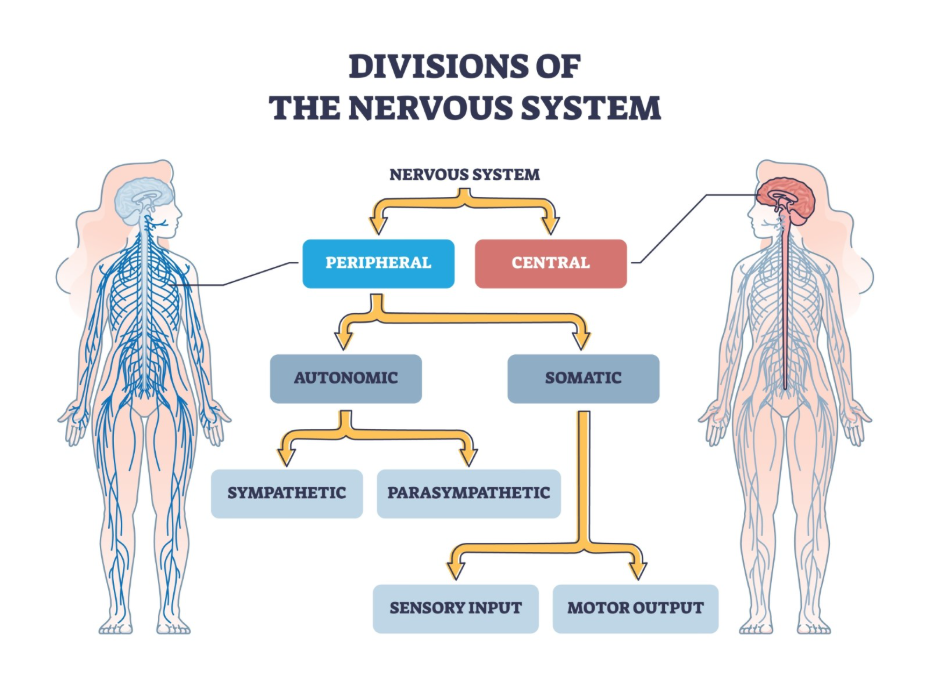
| Syndrome Name | Primary Genetic Link | Typical Brain Tumour Types |
| Neurofibromatosis Type 1 | NF1 gene mutation | Optic gliomas; nerve sheath tumours |
| Neurofibromatosis Type 2 | NF2 gene mutation | Acoustic neuromas; meningiomas |
| Tuberous Sclerosis | TSC1 or TSC2 genes | Subependymal giant cell astrocytomas |
| Li-Fraumeni Syndrome | TP53 gene mutation | High-grade gliomas; medulloblastomas |
| Turcot Syndrome | APC or MMR genes | Medulloblastomas; glioblastomas |
| Von Hippel-Lindau | VHL gene mutation | Hemangioblastomas |
NICE clinical guidelines for brain tumours indicate that a confirmed diagnosis of these inherited syndromes is a significant risk factor requiring specialised clinical management. Individuals with these conditions are managed by multidisciplinary teams in the UK, ensuring that all potential manifestations of the syndrome are monitored. Because these syndromes often affect other parts of the body, such as the skin or kidneys, a holistic approach to care is essential.
Family History and Clinical Assessment
In the United Kingdom, a GP or specialist will assess a patient’s family history to determine if the pattern of illness suggests a rare inherited link rather than a sporadic occurrence. This assessment is particularly important if multiple close relatives have been diagnosed with brain tumours or if tumours have occurred at an unusually young age.
A clinical history that might trigger a referral for genetic investigation includes:
- Two or more first-degree relatives (such as a parent or sibling) with a brain tumour.
- A family history of brain tumours alongside other specific cancers, such as early-onset breast cancer or sarcomas.
- The presence of physical signs associated with syndromes, such as specific skin spots (café-au-lait spots) or skin growths.
- A diagnosis of a brain tumour in early childhood or infancy.
The GOV.UK health pages provide clinical profiles for rare genetic syndromes to help healthcare providers identify when a family history warrants a specialist genetics referral. It is important to remember that because brain tumours are relatively uncommon, many family clusters are coincidental and not related to a specific shared gene. UK clinicians provide a restrained and factual assessment to ensure that patients are not unnecessarily alarmed while ensuring significant risks are addressed.
Genetic Counselling and Testing Protocols
If a significant genetic risk is suspected, patients in the UK are referred to a Regional Genetics Service for formal counselling and potentially genetic testing. Genetic counselling is a process where a specialist explains the likelihood of a genetic condition being present and the implications for the individual and their relatives.
The UK genetic testing pathway involves:
- Pre-test Counselling: Discussing the potential results and how they might affect life insurance or family planning.
- Diagnostic Testing: Testing a relative who has already had a tumour to see if a specific mutation can be identified.
- Predictive Testing: Testing healthy relatives once a specific mutation is found in the family to see if they have inherited it.
- Post-test Support: Providing long-term psychological and clinical guidance based on the results.
This structured system ensures that testing is only performed when it is clinically useful and when the patient is fully informed. In the UK, genetic test results are kept confidential and are used to tailor the patient’s future medical care. If a mutation is identified, it allows the clinical team to start surveillance early, which is a key factor in the long-term management of high-risk individuals.
Surveillance and Long-Term Monitoring
Individuals in the United Kingdom who are confirmed to have a genetic predisposition to brain tumours are placed on a structured surveillance programme to detect any growths at the earliest possible stage. This typically involves regular MRI scans of the brain and, in some cases, the spinal cord, starting from childhood or early adulthood depending on the specific syndrome.
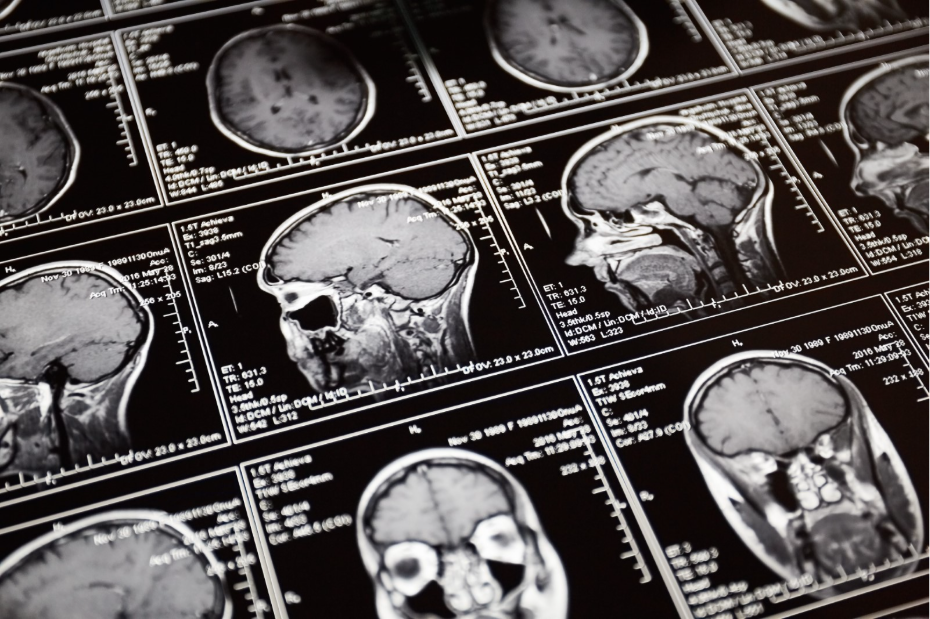
The frequency of these scans is determined by national clinical protocols and is designed to balance the benefits of early detection with the practicalities of regular hospital visits. For example, individuals with Neurofibromatosis Type 2 may have annual scans to monitor the auditory nerves. Surveillance also includes regular neurological examinations to check for subtle changes in balance, vision, or coordination. This proactive approach within the NHS ensures that if a tumour does develop, it can be managed while it is small, often leading to better preservation of neurological function. The surveillance plan is regularly reviewed by a Multidisciplinary Team (MDT) to ensure it remains appropriate for the patient’s age and health status.
Research into Genetic Markers
Scientific research in the United Kingdom continues to investigate “low-penetrance” genetic markers, which are small variations in DNA that might slightly increase a person’s risk of a brain tumour without causing a specific inherited syndrome. These variations are much more common in the general population but only lead to a tumour in a very small number of cases when combined with other unknown environmental factors.
Currently, these markers are not used in routine clinical practice in the NHS because they do not yet provide enough information to change a person’s management. However, this research is vital for understanding why some people are more susceptible to tumours than others. The focus of UK clinical care remains on the well-established, high-risk genetic syndromes where clear management protocols exist. By participating in national clinical trials and registries, UK patients contribute to this growing body of knowledge, helping to refine future risk assessments. The UK healthcare system prioritises evidence-based information, ensuring that patients receive guidance based on proven clinical significance rather than speculative genetic data.
Conclusion
Genetics can increase the risk of a brain tumour through rare inherited syndromes, although most cases are sporadic and not passed through families. In the UK, families with a strong history of the condition are managed through a structured pathway involving genetic counselling, testing, and regular MRI surveillance. While only a small percentage of brain tumours are hereditary, identifying these cases is essential for early detection and targeted care. Consistent clinical monitoring and following the advice of a specialist team are the most effective ways to manage an inherited risk. If you experience severe, sudden, or worsening symptoms, call 999 immediately.
Does having a brain tumour mean my children will get one?
In the vast majority of cases, the answer is no, as most tumours are caused by random mutations that are not passed on to offspring.
Is there a genetic test I can take if I am worried?
General genetic testing for brain tumours is not available on the NHS unless there is a strong family history or signs of a specific inherited syndrome.
Are all brain tumours in children genetic?
While children are more likely than adults to have an underlying genetic link, many childhood brain tumours still occur sporadically without a family history.
Can a genetic syndrome cause more than one type of tumour?
Yes; many inherited syndromes, such as Li-Fraumeni, can increase the risk of tumours in the brain as well as other parts of the body.
If I have the gene, will I definitely get a tumour?
Not necessarily; having a genetic mutation increases your “lifetime risk,” but it does not guarantee that a tumour will develop.
What is the difference between a gene and a mutation?
A gene is a section of DNA that provides instructions for the body, while a mutation is a change or “error” in those instructions.
Does the NHS keep my genetic information private?
Yes; genetic information is treated with the same high level of confidentiality as all other medical records within the UK healthcare system.
Authority Snapshot (E-E-A-T)
This article provides medically factual health education regarding the role of genetics in brain tumour risk, strictly aligned with NHS and NICE clinical guidelines. The content is developed by a professional medical writing team and reviewed by Dr. Stefan Petrov, a UK-trained physician with experience in surgery, emergency care, and clinical education. All information follows current UK public health protocols to ensure clinical accuracy and patient safety.
