
Current scientific evidence indicates that head injuries do not cause brain tumours, as these growths result from genetic mutations within cells rather than physical trauma. While a significant blow to the head may lead a person to seek medical attention, any subsequent discovery of a tumour is typically considered coincidental rather than causal. In the United Kingdom, healthcare professionals focus on established risk factors while providing factual reassurance to patients concerned about past injuries. This article examines the biological basis of tumour formation and explains why medical research does not link trauma to the development of primary intracranial masses.
What We’ll Discuss in This Article
- The lack of a proven causal link between head trauma and brain tumours.
- Why tumours are sometimes discovered following a head injury assessment.
- The biological difference between traumatic brain injury and abnormal cell growth.
- Clarifying established risk factors for brain tumours in the UK.
- How the NHS manages the diagnostic pathway for neurological symptoms.
- The role of incidental findings in medical imaging after accidents.
Scientific Evidence and Causal Links
There is no established scientific evidence in the United Kingdom or internationally to suggest that a head injury increases the risk of developing a brain tumour. Extensive large-scale epidemiological studies have followed thousands of individuals who have experienced various levels of head trauma, from mild concussions to severe injuries, without finding a higher incidence of tumours compared to the general population. The NHS states that there is no evidence that a head injury causes a brain tumour.
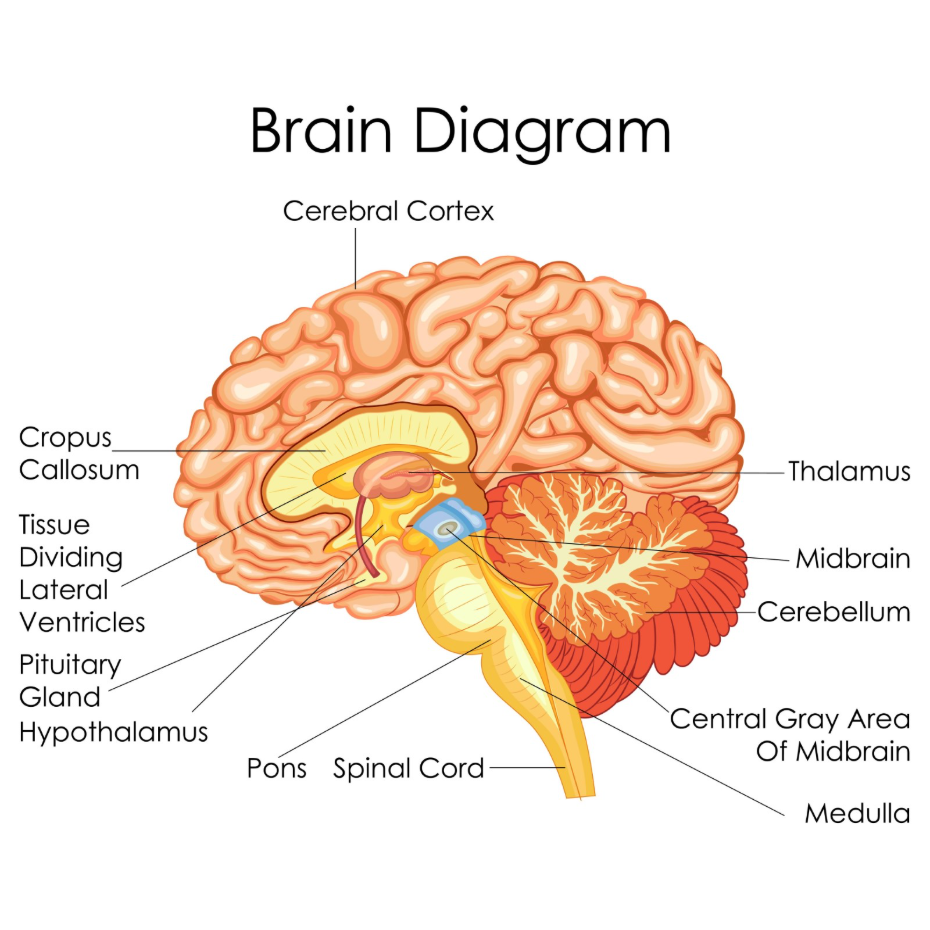
Tumours are caused by internal errors in the DNA of a cell that lead to uncontrolled multiplication, whereas a head injury causes structural damage like bruising, bleeding, or axonal tearing. These two processes involve entirely different biological mechanisms. While the body initiates a repair response following an injury, this inflammatory process is not known to trigger the specific genetic mutations required to form a mass. UK clinical standards prioritise evidence-based information to ensure that patients are not unnecessarily worried about the long-term consequences of past physical accidents.
Incidental Findings and Coincidence
The perception that head injuries cause tumours often arises because a growth is discovered during a diagnostic scan performed specifically to assess the damage from an accident. In the United Kingdom, it is common for individuals to undergo a CT or MRI scan following a significant head injury to rule out internal bleeding or skull fractures. The GOV.UK health pages provide clinical profiles indicating that many brain tumours are found incidentally when a patient is scanned for an unrelated reason.
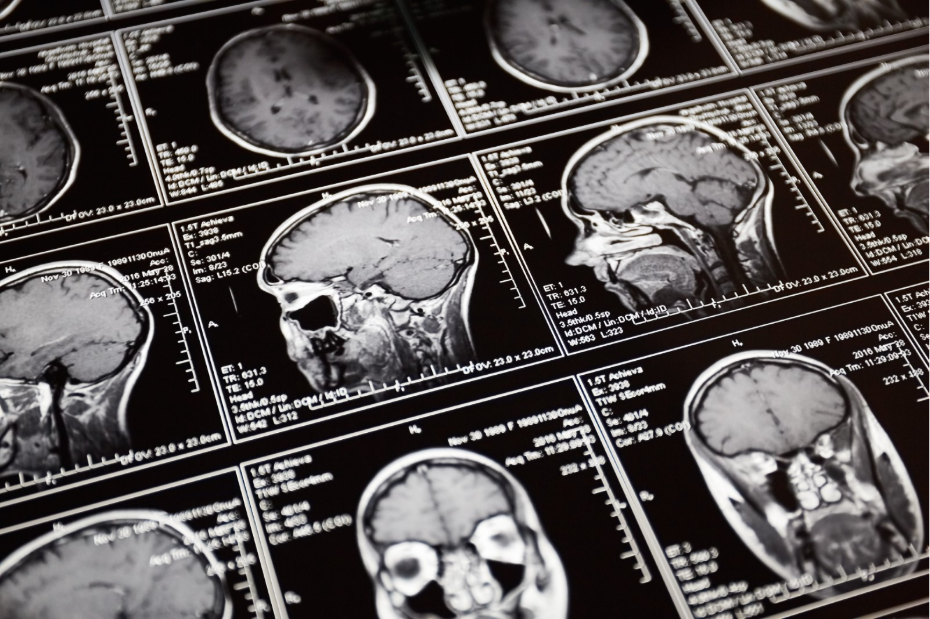
In these instances, the tumour was likely already present but had not yet caused symptoms. The trauma simply provided the medical justification for the imaging that revealed the pre-existing mass. Clinicians refer to these as incidentalomas. Because the discovery occurs immediately after the injury, patients and families may understandably assume a connection. However, the size and cellular characteristics of the tumours found in these cases often indicate they have been developing for months or years, far predating the recent injury.
Traumatic Brain Injury versus Cellular Mutation
Traumatic brain injury involves physical disruption to brain tissue, whereas a brain tumour involves a fundamental failure in the regulation of the cell cycle. When a person sustains a head injury, the primary concern is the immediate damage to neurons and blood vessels. The secondary concern is the inflammation and swelling that follow. These are acute events that the body attempts to resolve through healing and scar tissue formation.
| Feature | Traumatic Brain Injury (TBI) | Brain Tumour |
| Origin | External physical impact. | Internal genetic mutation. |
| Primary Effect | Bruising, bleeding, or tearing. | Abnormal, uncontrolled cell division. |
| Onset | Sudden and immediate. | Gradual development over time. |
| Detection | Immediate clinical assessment. | Often found via imaging for symptoms. |
A brain tumour, conversely, begins with a microscopic change in a single cell’s DNA. This change allows the cell to ignore the signals that normally stop it from dividing. Over time, this leads to the formation of a mass that can eventually create pressure or disrupt functions. Because the biological drivers of these two conditions are so distinct, there is no known pathway through which a physical impact could rewrite the genetic code of a cell to turn it into a tumour.
Established Risk Factors in the UK
In the United Kingdom, healthcare professionals focus on several established risk factors that are known to increase the likelihood of developing a brain tumour, none of which involve physical trauma. The most significant factor is age, as the risk of most primary brain tumours increases as individuals get older. This is due to the natural accumulation of genetic errors in cells over many decades.
Other recognised risk factors include:
- Radiation: High-dose radiotherapy to the head used for previous medical treatments.
- Genetics: Rare inherited conditions such as Neurofibromatosis Type 1 or Type 2.
- Secondary Spread: Cancer spreading to the brain from another part of the body.
The UK medical community relies on these evidence-based factors to assess patient risk. By clarifying that lifestyle factors and common injuries do not cause tumours, the NHS ensures that diagnostic resources are used effectively for those displaying genuine neurological red-flag symptoms.
Monitoring Symptoms After a Head Injury
While a head injury does not cause a tumour, it is important for individuals in the UK to monitor their symptoms following an accident to ensure proper recovery from the trauma itself. Symptoms such as persistent headaches, dizziness, or changes in vision can occur after a concussion or more severe injury. If these symptoms persist or worsen significantly over several weeks, a GP may investigate further.
The UK clinical pathway for persistent symptoms after injury includes:
- Initial Assessment: Evaluating the severity of the trauma and any immediate neurological deficits.
- Observation Period: Monitoring for signs of slow-bleeding or post-concussion syndrome.
- Specialist Review: Referral to a neurologist if symptoms do not resolve as expected.
- Imaging: Performing a scan to ensure there is no structural damage or, occasionally, to identify incidental findings.
This process ensures that any issues are caught, whether they are related to the injury or are an unrelated condition discovered by chance. By following a structured approach, UK clinicians can provide accurate diagnoses and appropriate management for any neurological concerns.
Clarifying Misconceptions and Patient Reassurance
The United Kingdom healthcare system prioritises providing factual reassurance to dispel common medical myths, including the idea that bumps, falls, or domestic injuries lead to brain tumours. Many people worry that a childhood fall or a sports-related impact might cause a tumour years later. National health education programmes emphasise that there is no biological mechanism to support this fear.
Research has also addressed but not proven links to the following:
- Mobile Phones: No consistent evidence of a link to brain tumours.
- Power Lines: No proven relationship between electromagnetic fields and tumours.
- Stress: No scientific evidence that psychological stress triggers tumour growth.
By focusing on established science, the NHS helps patients move away from speculative theories and toward evidence-based health management. If a tumour is diagnosed, the clinical team will work to identify its specific type and grade rather than looking for a past injury as a cause. This allows for a more effective management plan focused on the current biological reality of the condition.
Conclusion
Extensive research confirms that head injuries do not cause brain tumours, as the two conditions arise from entirely different biological processes. Tumours found after an accident are typically incidental findings that were already present but had not been detected. In the UK, clinicians focus on established risks such as age, radiation, and genetics to assess neurological health. Understanding that physical trauma is not a cause can provide significant reassurance to those who have experienced head injuries. If you experience severe, sudden, or worsening symptoms, call 999 immediately.
Why did my doctor order a scan after my head injury?
Scans after a head injury are used to check for internal bleeding, swelling, or skull fractures, not usually to look for tumours.
Can a brain tumour cause me to fall and hit my head?
Yes, a tumour can cause balance issues or seizures that lead to a fall, which is why the injury might be the first time the tumour is suspected.
What is an incidental finding?
This is something discovered on a medical scan that is unrelated to the reason the scan was originally performed.
Do many people have tumours they don’t know about?
Some slow-growing, benign tumours may cause no symptoms for years and are only found by chance during other medical tests.
Is there any link between concussion and tumours?
No; concussions involve temporary functional issues with the brain but do not cause the cellular changes that lead to tumours.
Should I be worried if I hit my head years ago?
There is no evidence that an old head injury will turn into a brain tumour later in life.
What are the real red flags I should look for?
UK health advice highlights new seizures, persistent morning headaches, and significant personality changes as key symptoms to report to a GP.
Authority Snapshot (E-E-A-T)
This article provides medically factual health education regarding the relationship between head injuries and brain tumours, strictly aligned with NHS and NICE clinical guidelines. The content is developed by a professional medical writing team and reviewed by Dr. Stefan Petrov, a UK-trained physician with experience in emergency care, surgery, and clinical education. All information follows current UK public health protocols to ensure clinical accuracy and patient safety.
